
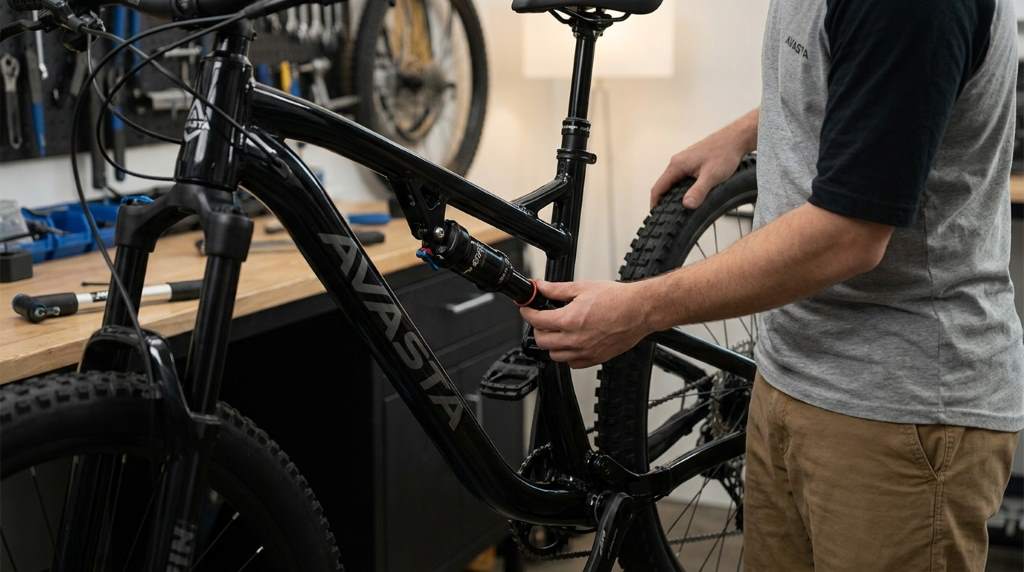
Riding a mountain bike on rough trails can be a thrilling experience. The AVASTA Earth 26 27.5 inch Mountain Bike is a popular choice for many riders. Studies show that over 70 percent of mountain bikers adjust their suspension at least once a year. Proper suspension setup can improve control and comfort on the trail. This guide will help you adjust the suspension for the best performance.
Why Suspension Adjustment Matters
Suspension adjustment can make or break your riding experience. A well-tuned suspension absorbs bumps and keeps your tires on the ground. This leads to better traction and control on uneven terrain. Many riders overlook this step and miss out on a smoother ride. Adjusting your suspension can also reduce fatigue on long rides.
For the AVASTA Earth 26 27.5 inch Mountain Bike, the suspension system is designed to handle a variety of terrains. Whether you are riding on rocky trails or smooth dirt paths, the right settings can help. Poor suspension setup can cause unnecessary wear on your bike. It can also make your ride less enjoyable and more tiring.
Understanding Your Suspension System
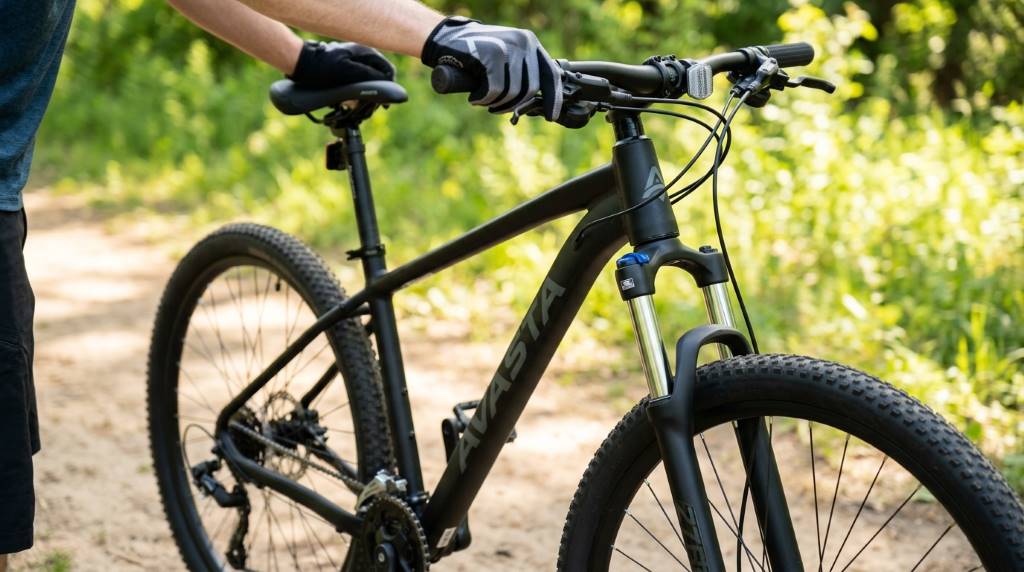
The AVASTA Earth 26 27.5 inch Mountain Bike comes with a front suspension fork. This fork helps absorb shocks from the front wheel. Some models may also have a rear suspension for added comfort. Knowing the type of suspension you have is the first step in adjustment.
Most suspension forks have three main adjustments: preload, compression, and rebound. Preload sets the initial tension in the spring. Compression controls how the fork reacts to bumps. Rebound determines how quickly the fork returns to its original position. Each of these plays a key role in your ride quality.
Types of Suspension Systems
There are two main types of suspension systems: air and coil. Air suspension uses compressed air to absorb shocks. Coil suspension uses a metal spring. The AVASTA Earth 26 27.5 inch Mountain Bike typically uses an air suspension fork. Air suspension is lighter and can be adjusted more precisely.
Coil suspension is often found on more affordable bikes. It is durable and requires less maintenance. However, it is heavier and less adjustable. Knowing which type you have will help you make the right adjustments. Always check your bike’s manual for specific details.
Tools You Will Need
Adjusting your suspension does not require many tools. A shock pump is essential for air suspension forks. This pump allows you to add or remove air pressure. A multi-tool with a hex wrench is also useful for fine-tuning.
You may also need a notebook to record your settings. This helps you keep track of what works best. A friend can assist by observing your ride. Sometimes, a second opinion can help you spot issues you might miss.
Step-by-Step Guide to Adjusting Your Suspension
Step 1: Set the Sag
Sag is how much the suspension compresses under your weight. To set the sag, first, put on your riding gear. Then, sit on the bike in your normal riding position. Have a friend measure the distance from the fork seal to a fixed point on the fork.
Next, get off the bike and measure the same distance again. The difference between the two measurements is your sag. For most riders, the sag should be between 15 and 25 percent of the total fork travel. Adjust the air pressure in the fork until you reach the desired sag.
Step 2: Adjust the Preload
Preload is the initial tension in the suspension spring. On air forks, this is controlled by air pressure. Use your shock pump to add or remove air. Start with the manufacturer’s recommended pressure and adjust from there.
For coil forks, preload is adjusted using a dial or knob. Turn the dial clockwise to increase preload. Turn it counterclockwise to decrease preload. The right preload setting helps prevent the suspension from bottoming out on big hits.
Step 3: Fine-Tune Compression
Compression controls how the fork reacts to bumps. Most forks have a compression dial. Turning the dial clockwise increases compression damping. This makes the fork stiffer and less responsive to small bumps.
Turning the dial counterclockwise decreases compression damping. This makes the fork softer and more responsive. Start with the dial in the middle position. Then, test ride and adjust based on your feel. Too much compression can make your ride harsh. Too little can make it feel unstable.
Step 4: Set the Rebound
Rebound controls how quickly the fork returns to its original position. A rebound dial is usually located on the fork. Turning the dial clockwise slows down the rebound. Turning it counterclockwise speeds it up.
A fast rebound can cause the bike to bounce after hitting a bump. A slow rebound can make the suspension feel sluggish. Aim for a rebound setting that allows the fork to return smoothly without bouncing. Test ride and adjust until it feels right.
Testing and Fine-Tuning
After making your initial adjustments, take your bike for a test ride. Pay attention to how the suspension feels on different terrains. Note any issues, such as bottoming out or excessive bouncing.
Make small adjustments to one setting at a time. This helps you understand the effect of each change. Keep a record of your settings and how they feel. Over time, you will find the perfect setup for your riding style and terrain.
Unique Considerations for Different Climates
Climate can affect your suspension performance. In hot climates, air pressure in your fork can increase. This can make your suspension feel stiffer. Check and adjust your air pressure more often in hot weather.
In cold climates, the air pressure can decrease. This can make your suspension feel softer. Always check your settings before a ride in extreme temperatures. Rain and mud can also affect your suspension. Dirt and grime can cause wear and reduce performance. Clean your suspension regularly to keep it in top shape.
Common Mistakes to Avoid
One common mistake is setting the sag too low. This can cause the suspension to bottom out easily. Another mistake is ignoring the rebound setting. A poorly set rebound can make your ride uncomfortable and unstable.
Avoid making large adjustments all at once. Small changes allow you to fine-tune your settings. Also, do not forget to check your suspension regularly. Wear and tear can change your settings over time.
Maintenance Tips for Longevity
Regular maintenance keeps your suspension working well. Clean your fork after every ride. Use a damp cloth to remove dirt and grime. Avoid using high-pressure water, as it can damage the seals.
Check for any signs of wear or damage. If you notice oil leaks or unusual noises, have your fork serviced. Regular servicing can extend the life of your suspension. Follow the manufacturer’s guidelines for service intervals.
Conclusion
Adjusting the suspension on your AVASTA Earth 26 27.5 inch Mountain Bike can greatly improve your riding experience. Start by understanding your suspension system and gathering the right tools. Follow the step-by-step guide to set your sag, preload, compression, and rebound. Test ride and fine-tune your settings for the best performance.
Remember to consider your local climate and terrain. Avoid common mistakes and maintain your suspension regularly. With the right setup, you will enjoy a smoother, more controlled ride on any trail. Get out there and start adjusting your suspension today.
FAQ
What is the ideal sag for my AVASTA Earth 26 27.5 inch Mountain Bike?
Aim for a sag between 15 and 25 percent of the total fork travel.
How often should I check my suspension settings?
Check your settings before every ride and after any major changes in temperature or terrain.
Can I adjust my suspension without a shock pump?
No, a shock pump is necessary for adjusting air pressure in air suspension forks.
What should I do if my suspension feels too stiff?
Reduce the air pressure or preload to make your suspension softer.
How do I know if my rebound is set correctly?
Your fork should return smoothly to its original position without bouncing after hitting a bump.
Welcome to outdoorxsports.com! I’m Russell, your guide to the awesome world of mountain biking. This blog is all about building a community of riders who love to share their passion for the sport. Expect inspiring stories, local trail recommendations, fun challenges, and tips for making the most of your time on two wheels.