
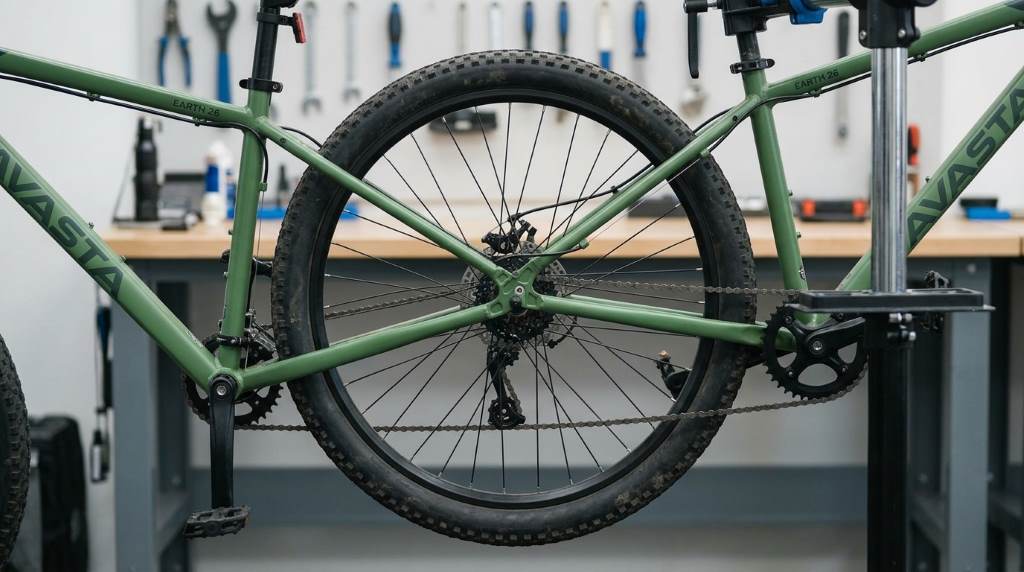
Upgrading the tires on your AVASTA Earth 26 27.5 inch Mountain Bike can change your riding experience. Studies show that 70 percent of cyclists notice better grip and control after switching to high quality tires. The right tires improve traction on rough trails and reduce the risk of punctures. This guide will help you pick and install the best tires for your bike.
Whether you ride on rocky paths or muddy tracks the right tires make a big difference. Upgrading your tires also lets you handle different terrains with ease. With the right setup you can ride longer and with more confidence. Let us look at how to choose and install the perfect tires for your bike.
Why Upgrade Your Mountain Bike Tires
Stock tires on most bikes are designed for general use. They may not offer the best performance for specific terrains. Upgrading to specialized tires can improve grip and control. This is especially important for mountain biking where conditions vary.
Better tires also last longer and resist punctures. They can handle sharp rocks and roots without damage. This means fewer stops to fix flats during your rides. You will also notice a smoother and more comfortable ride.
Upgraded tires can also reduce rolling resistance. This makes pedaling easier and more efficient. You will cover more distance with less effort. This is a big advantage for long rides or races.
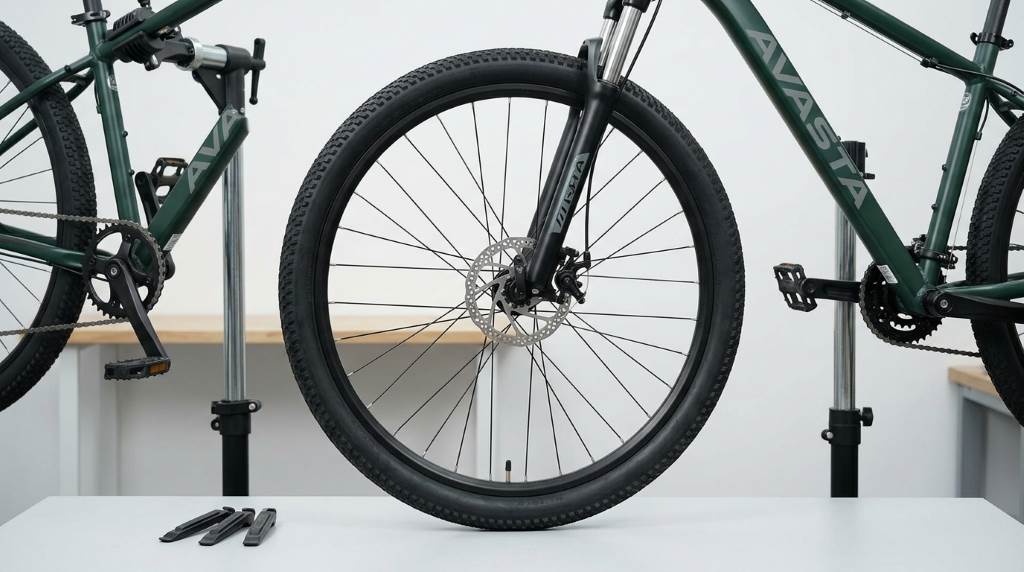
Signs You Need New Tires
Visible wear on the tread is a clear sign. If the grooves are shallow or smooth it is time for a change. Cracks or cuts on the sidewalls also indicate wear. These can lead to blowouts if not addressed.
Frequent punctures are another red flag. If you are fixing flats often your tires may be too thin. Upgrading to thicker tires can solve this problem. You will spend less time repairing and more time riding.
Poor traction on trails is a sign of worn out tires. If your bike slips on turns or climbs it may need better grip. New tires with deeper treads can restore confidence. They will help you handle challenging terrains better.
Types of Mountain Bike Tires
Cross Country Tires
Cross country tires are light and fast. They have a smooth center tread for speed on hard surfaces. The side knobs provide grip during turns. These tires are ideal for dry and hard packed trails.
They roll quickly and require less effort. This makes them great for long distance riding. However they may not perform well in loose or muddy conditions. Choose these if you ride mostly on smooth trails.
Trail Tires
Trail tires offer a balance between speed and grip. They have medium sized knobs for versatile performance. These tires work well on a variety of terrains. Also, they are a popular choice for most mountain bikers.
They provide good traction on both climbs and descents. They are also durable and resist punctures. If you ride on mixed terrains trail tires are a safe bet. They offer reliability and performance in one package.
Enduro and Downhill Tires
Enduro and downhill tires are built for rough conditions. They have large aggressive knobs for maximum grip. These tires are heavy but provide excellent control. They are designed for steep and technical trails.
They also have thick sidewalls for added protection. This makes them resistant to cuts and punctures. If you ride on rocky or root filled trails these tires are ideal. They will give you the confidence to tackle tough descents.
Fat Tires
Fat tires are wide and provide extra stability. They are great for sand snow and loose surfaces. These tires float over soft terrains. They also offer a comfortable ride on rough trails.
They are heavier and slower on hard surfaces. But they excel in conditions where other tires struggle. If you ride in extreme terrains fat tires are worth considering. They will open up new possibilities for your rides.
How to Choose the Right Tire Size
The AVASTA Earth 26 27.5 inch Mountain Bike supports a range of tire sizes. The most common sizes are 26 inches and 27.5 inches. Each size has its own advantages. The right choice depends on your riding style and terrain.
26 inch tires are lightweight and agile. They accelerate quickly and are easy to maneuver. These tires are great for technical trails and jumps. They are also a good choice for smaller riders.
27.5 inch tires offer a balance between agility and stability. They roll over obstacles more easily than 26 inch tires. They also provide better traction and a smoother ride. These tires are versatile and suit most riders.
Check your bike frame for clearance before choosing a size. Make sure the new tires fit without rubbing. Also consider the width of the tires. Wider tires offer more grip and comfort but may be heavier.
Tire Tread Patterns Explained
Tread patterns determine how your tires perform on different surfaces. The center tread affects rolling speed and efficiency. Side knobs provide grip during turns. The spacing between knobs influences traction and mud shedding.
Slick or semi slick tires have minimal tread. They are fast on hard surfaces but lack grip on loose trails. Knobby tires have deep treads for better traction. They are slower but perform well on soft and loose terrains.
Directional treads are designed to roll in one direction. They provide good grip and speed. However they may not perform as well in reverse. Multi directional treads work well in both directions. They offer versatile performance on mixed terrains.
Tire Compound and Its Impact
The compound of a tire affects its grip and durability. Softer compounds provide better traction. They conform to the terrain and offer more control. However they wear out faster.
Harder compounds last longer and resist punctures. They are less grippy but more durable. Dual compound tires combine both types. They have a soft outer layer for grip and a hard inner layer for durability.
Choose a compound based on your riding conditions. Softer compounds are great for dry and hard packed trails. Harder compounds work well on rough and rocky terrains. Dual compound tires offer a good balance for most riders.
Tubed vs Tubeless Tires
Tubed tires are the traditional choice. They are easy to install and repair. They are also more affordable. However they are heavier and more prone to punctures. Tubeless tires do not have an inner tube.
They use a sealant to prevent air leaks. Tubeless tires are lighter and resist punctures better. They also allow you to run lower pressures for better grip. However they are more expensive and require more maintenance.
Converting to tubeless tires can improve your riding experience. It reduces the risk of flats and enhances performance. But it requires compatible rims and tires. Make sure your bike supports tubeless setup before making the switch.
Step by Step Guide to Upgrading Your Tires
Tools You Will Need
Gather the necessary tools before you start. You will need tire levers to remove the old tires. A pump is essential for inflating the new ones. A wrench may be needed to remove the wheel if required.
Have a new tire and tube ready if you are using tubed tires. For tubeless setups you will need sealant and rim tape. A pair of gloves can protect your hands during the process. A work stand can make the job easier.
Removing the Old Tire
Start by deflating the tire completely. Use the tire levers to pry the tire off the rim. Insert one lever under the edge of the tire. Hook the other end to a spoke to hold it in place.
Insert a second lever a few inches away. Pry the tire off the rim and slide the lever along the edge. Repeat this process until one side of the tire is off. Pull the tube out if you are using tubed tires.
Remove the other side of the tire from the rim. Inspect the rim and wheel for any damage. Clean the rim surface to ensure a good seal with the new tire. This is especially important for tubeless setups.
Installing the New Tire
Start by placing one edge of the new tire onto the rim. Work your way around the wheel until the tire is seated. If you are using a tube insert it into the tire before seating the other edge.
For tubeless tires apply rim tape to the rim. This prevents air leaks through the spoke holes. Pour sealant into the tire before seating it completely. Make sure the tire is seated evenly all around the rim.
Use your hands to push the tire onto the rim. If it is tight use tire levers carefully to avoid pinching the tube. Make sure the tire is seated properly and the valve is aligned. This ensures a good seal and prevents air leaks.
Inflating the Tire
Attach the pump to the valve and start inflating. For tubed tires inflate to the recommended pressure. Check the sidewall of the tire for the pressure range. Do not overinflate as this can cause the tire to burst.
For tubeless tires inflate quickly to seat the tire. You may hear a pop as the tire seats onto the rim. Shake the tire to distribute the sealant. Check for leaks and add more sealant if needed.
Let the tire sit for a few minutes to allow the sealant to seal any small holes. Inflate to the desired pressure and check for leaks again. Make sure the tire is seated evenly all around the rim.
Reinstalling the Wheel
If you removed the wheel reinstall it onto the bike. Make sure it is aligned properly with the frame. Tighten the axle nuts or quick release lever securely. Spin the wheel to ensure it rotates freely.
Check the brakes to make sure they are aligned with the rim or rotor. Test the bike by taking a short ride. Listen for any unusual noises and check for proper tire clearance. Make any necessary adjustments before your next ride.
Tire Pressure and Maintenance Tips
Maintaining the right tire pressure is key for performance. Too high pressure reduces grip and comfort. Too low pressure increases the risk of punctures and rim damage. Check your tire pressure regularly.
The right pressure depends on your weight and riding conditions. Heavier riders may need higher pressure. For rough terrains lower pressure provides better grip. Experiment to find the right balance for your rides.
Inspect your tires before and after each ride. Look for cuts punctures or embedded debris. Remove any sharp objects to prevent flats. Rotate your tires regularly to ensure even wear. This extends their lifespan.
Clean your tires after rides to remove dirt and grime. This prevents buildup that can affect performance. Store your bike in a dry place to avoid damage from moisture. Proper care will keep your tires in top condition.
Unique Discussion: Climate Specific Tire Choices for Bangladesh
Bangladesh has a diverse climate with wet and dry seasons. The right tires can make a big difference in your riding experience. During the monsoon season trails can become muddy and slippery. Choosing the right tires can help you maintain control.
For wet conditions consider tires with deep and widely spaced knobs. These tires shed mud and provide better grip. They prevent clogging and maintain traction on slippery surfaces. Brands like Maxxis and Schwalbe offer excellent options for wet climates.
In dry seasons trails can be dusty and loose. Tires with smaller and closer knobs work well in these conditions. They provide good grip without sacrificing speed. These tires also last longer on hard packed surfaces.
Bangladesh also has many urban riders who use mountain bikes for commuting. For city riding consider semi slick tires. They offer a smooth ride on pavement and good grip on occasional off road sections. They are a versatile choice for mixed use.
Common Mistakes to Avoid
One common mistake is choosing the wrong tire size. Always check your bike frame for clearance. A tire that is too wide can rub against the frame. This can cause damage and affect your ride.
Another mistake is not checking tire pressure regularly. Tires lose pressure over time even without punctures. Riding with low pressure increases the risk of flats and rim damage. Use a pressure gauge to maintain the right levels.
Ignoring tread wear is another common issue. Worn out tires lose grip and control. Inspect your tires regularly and replace them when needed. This ensures safety and performance on every ride.
Not matching tires to your riding style can also be a problem. Choose tires that suit your terrain and conditions. Using the wrong tires can make riding harder and less enjoyable. Take the time to pick the right ones for your needs.
Top Tire Brands for Mountain Bikes
Maxxis is a leading brand known for its high quality tires. They offer a wide range of options for different terrains. Their Minion and Ardent models are popular among mountain bikers. These tires provide excellent grip and durability.
Schwalbe is another top brand with a strong reputation. Their Nobby Nic and Rocket Ron tires are favorites for trail riding. They offer good performance and reliability. Schwalbe tires are also known for their puncture resistance.
Continental produces tires that are both fast and grippy. Their Mountain King and Trail King models are great for mixed terrains. They provide a balance of speed and control. Continental tires are also durable and long lasting.
Specialized offers tires designed for specific riding styles. Their Butcher and Eliminator models are popular for downhill and enduro riding. These tires provide excellent grip and stability. They are a great choice for aggressive riders.
Conclusion
Upgrading the tires on your AVASTA Earth 26 27.5 inch Mountain Bike can transform your riding experience. The right tires improve grip control and durability. They allow you to tackle different terrains with confidence. Follow this guide to choose and install the best tires for your needs.
Remember to consider your riding style and conditions. Regular maintenance and proper tire pressure are key. With the right setup you can enjoy every ride to the fullest. Start your upgrade today and feel the difference on your next adventure.
FAQs
What is the best tire size for my AVASTA Earth 26 27.5 inch Mountain Bike?
The best size depends on your riding style but 27.5 inches offers a good balance of agility and stability.
How often should I replace my mountain bike tires?
Replace your tires when the tread is worn down or if you notice frequent punctures or cracks.
Can I switch from tubed to tubeless tires?
Yes if your rims are compatible you can convert to tubeless tires for better performance and fewer flats.
What tire pressure should I use for trail riding?
Aim for 25 to 30 PSI for most trail riding but adjust based on your weight and terrain conditions.
Are wider tires better for mountain biking?
Wider tires offer more grip and comfort but may be heavier and slower on hard surfaces.
Welcome to outdoorxsports.com! I’m Russell, your guide to the awesome world of mountain biking. This blog is all about building a community of riders who love to share their passion for the sport. Expect inspiring stories, local trail recommendations, fun challenges, and tips for making the most of your time on two wheels.