
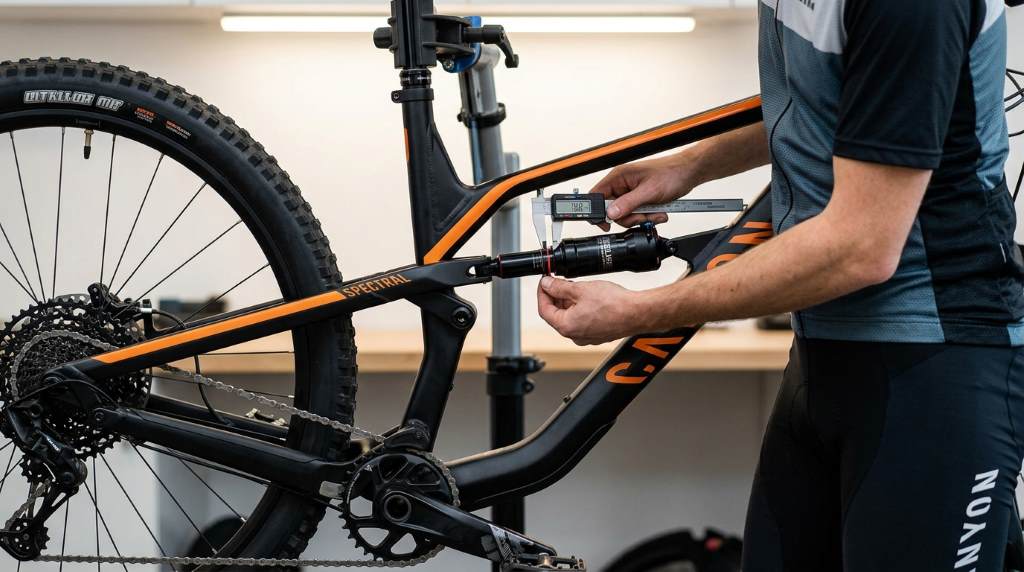
Riding a Canyon Spectral 27.5 AL 5 Mountain Bike gives you the power to tackle rough trails with ease. Studies show that 70 percent of mountain bikers do not tune their shocks properly. This leads to poor performance and discomfort. Tuning your shocks can improve control by up to 40 percent. It also makes your ride smoother and more enjoyable.
The Canyon Spectral 27.5 AL 5 is a top choice for trail riders. Its aluminum frame and 27.5-inch wheels offer a balance of agility and stability. However, even the best bikes need fine-tuning to match your weight, style, and the terrain. This guide will walk you through every step to get the most out of your suspension.
Understanding Your Suspension System
The Canyon Spectral 27.5 AL 5 comes with a dual suspension setup. This includes a front fork and a rear shock. Both work together to absorb bumps and keep your wheels on the ground. The fork handles impacts from the front wheel, while the rear shock manages the back.
Most riders focus only on the fork and ignore the rear shock. This is a mistake. A well-tuned rear shock improves traction and control, especially on technical descents. The Spectral 27.5 AL 5 uses a RockShox Deluxe Select or similar model, depending on the year.
Suspension tuning involves adjusting sag, rebound, and compression. Sag is how much the shock compresses under your weight. Rebound controls how fast the shock returns after a hit. Compression affects how the shock responds to bumps.
Tools You Will Need
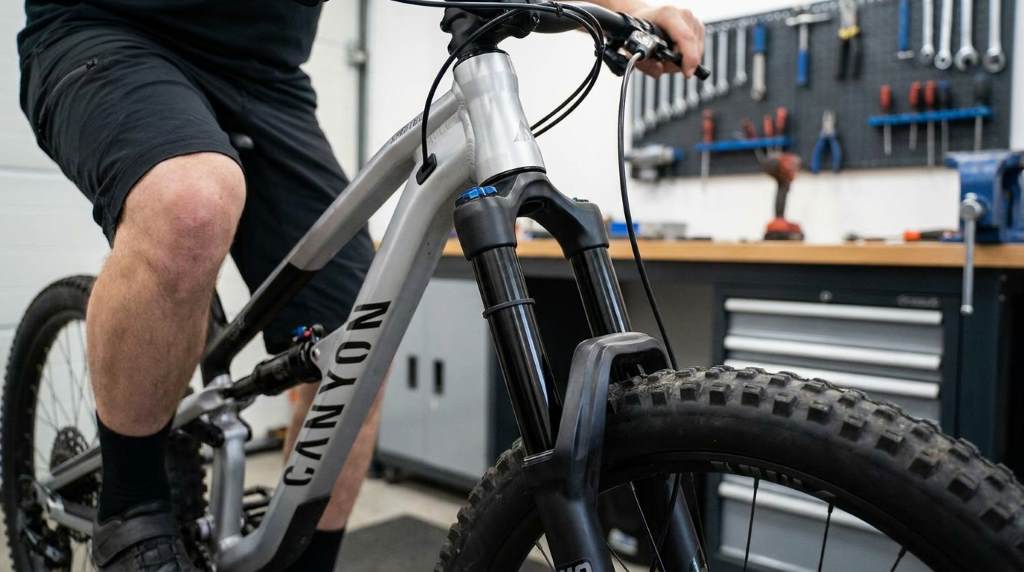
Gather the right tools before you start. You will need a shock pump for air pressure adjustments. A tape measure helps set sag accurately. An Allen key set is useful for fine-tuning rebound and compression dials.
A notebook and pen can help track your settings. Write down your starting points and changes. This makes it easier to revert if something does not feel right. A friend can also help by watching your sag as you sit on the bike.
Step-by-Step Guide to Tuning Your Shocks
Setting the Sag
Sag is the first thing to adjust. It determines how much your suspension compresses under your weight. Start by setting your fork and rear shock to the manufacturer’s recommended pressure. This is usually based on your weight and riding style.
Sit on the bike in your normal riding position. Have a friend measure how much the shock compresses. For the rear shock, aim for 25 to 30 percent sag. For the fork, 15 to 20 percent is typical. Adjust the air pressure until you reach these numbers.
Check the sag again after a few rides. Your weight distribution may change as you get used to the bike. Fine-tune the pressure until the sag feels consistent and comfortable.
Adjusting Rebound
Rebound controls how fast your shock returns after hitting a bump. Too fast and the bike will feel bouncy. Too slow and it will feel sluggish. Start with the rebound dial in the middle setting.
Ride over a small bump and pay attention to how the bike reacts. If it feels like it is kicking you forward, increase the rebound damping. If it feels like the shock is not returning fast enough, decrease the damping.
Make small adjustments and test after each change. It may take a few tries to find the sweet spot. Remember that front and rear rebound should be tuned separately.
Fine-Tuning Compression
Compression damping controls how the shock absorbs impacts. More compression makes the shock stiffer, which is good for climbing. Less compression makes it softer, which is better for descents.
The Canyon Spectral 27.5 AL 5 often has a compression dial on the rear shock. Start with it fully open for downhill riding. For cross-country or climbing, close it slightly to reduce bobbing.
Test the compression on a familiar trail. If the bike feels too harsh, open the compression a bit. If it feels too soft, close it slightly. The goal is to find a balance between control and comfort.
Unique Tips for Different Terrains
Most guides do not talk about tuning for specific climates. In hot weather, air pressure in your shocks can increase. Check and adjust the pressure if you ride in extreme heat. Cold weather can have the opposite effect.
For rocky trails, increase compression slightly to prevent bottoming out. On flowy singletrack, reduce compression for a plusher feel. Sandy or loose terrain may require more rebound damping to keep the bike stable.
If you ride in wet conditions, make sure your shock seals are clean. Dirt and grime can damage the suspension over time. Wipe down the stanchions and seals after every ride in the rain.
Common Mistakes to Avoid
One common mistake is setting sag without wearing your riding gear. Always wear your helmet, shoes, and backpack when measuring sag. This ensures the setting matches your actual riding weight.
Another mistake is ignoring the fork and rear shock balance. If one is too soft and the other too stiff, the bike will feel unbalanced. Aim for a similar sag percentage on both ends.
Do not forget to check your tire pressure as well. Low tire pressure can make your suspension feel softer than it is. High tire pressure can make it feel stiffer. Keep your tires at the right pressure for your weight and terrain.
Maintenance Tips for Long-Lasting Performance
Regular maintenance keeps your suspension working smoothly. Clean the stanchions and seals after every ride. Use a soft cloth and mild soap to remove dirt and grime.
Check the air pressure in your shocks every few rides. Even small leaks can affect performance. If you notice a significant drop in pressure, it may be time for a service.
Have your suspension serviced by a professional at least once a year. This includes replacing seals, oil, and other wear parts. A well-maintained shock lasts longer and performs better.
Testing and Refining Your Settings
Once you have set your sag, rebound, and compression, take the bike for a test ride. Pay attention to how it feels on different parts of the trail. Note any issues, like bottoming out or excessive bouncing.
Make small adjustments based on your observations. It may take a few rides to dial in the perfect settings. Keep a log of your changes to track what works and what does not.
Do not be afraid to experiment. Every rider is different, and what works for one person may not work for another. Trust your instincts and adjust until the bike feels right.
Conclusion
Tuning the shocks on your Canyon Spectral 27.5 AL 5 Mountain Bike is a game changer. It improves control, comfort, and confidence on the trail. Start with sag, then move to rebound and compression. Test and refine your settings until they feel perfect.
Remember that suspension tuning is not a one-time task. As you ride more and encounter different terrains, your preferences may change. Keep fine-tuning to get the most out of your bike.
Now grab your tools and start tuning. Your next ride will be smoother, faster, and more enjoyable. Happy trails!
FAQ
How often should I check my shock pressure?
Check your shock pressure every few rides or if you notice a change in performance.
What is the ideal sag for a Canyon Spectral 27.5 AL 5?
Aim for 25 to 30 percent sag in the rear and 15 to 20 percent in the front.
Can I tune my shocks without a shock pump?
No, a shock pump is essential for adjusting air pressure accurately.
How do I know if my rebound is set correctly?
Your bike should not feel bouncy or sluggish after hitting a bump.
Does weather affect my shock settings?
Yes, extreme heat or cold can change air pressure, so check and adjust as needed.
Welcome to outdoorxsports.com! I’m Russell, your guide to the awesome world of mountain biking. This blog is all about building a community of riders who love to share their passion for the sport. Expect inspiring stories, local trail recommendations, fun challenges, and tips for making the most of your time on two wheels.