
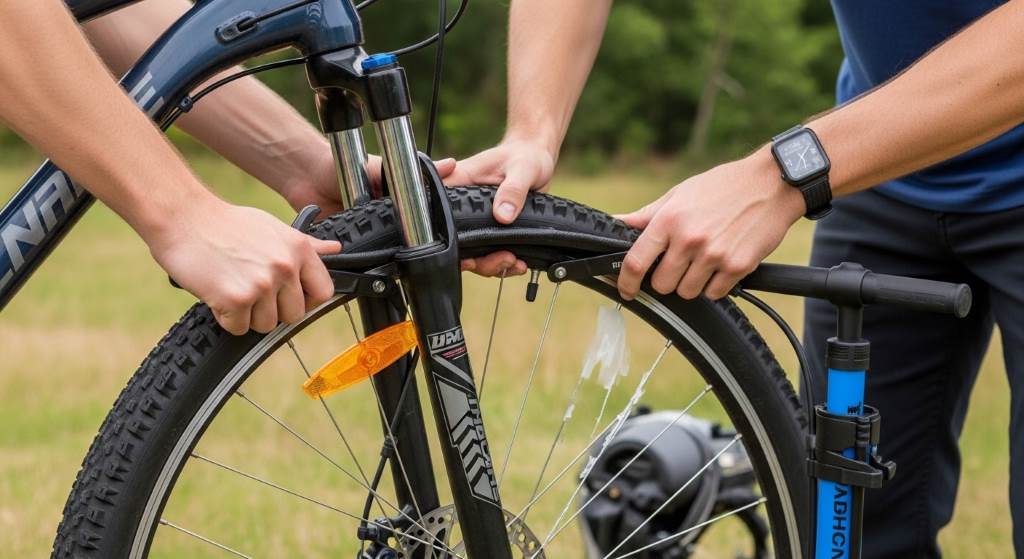
A flat tire can stop any ride in its tracks. Studies show that over 60 percent of cyclists face this issue at least once a year. The Dynacraft Magna Echo Ridge Mountain Bike is a popular choice for trail riders. Knowing how to fix a flat tire ensures you spend more time riding and less time stranded. This guide will walk you through the process with clarity and precision.
Why Fixing a Flat Tire Matters for Your Dynacraft Magna Echo Ridge Mountain Bike
Riding on a flat tire can damage your rim and make the bike harder to control. It also increases the risk of accidents on rough trails. The Dynacraft Magna Echo Ridge Mountain Bike is built for durability. However, even the best bikes can get punctures from sharp objects like thorns or glass. Fixing a flat tire on your own saves time and money. You also gain confidence for longer rides in remote areas.
Many riders avoid learning this skill because it seems complex. The truth is that with the right tools and steps, anyone can do it. The Dynacraft Magna Echo Ridge Mountain Bike often comes with standard tire sizes. This makes finding replacement tubes or patches easier. Learning this skill also helps you assist fellow riders in need.
Tools and Materials You Will Need
Gather all necessary tools before you start. You will need a spare tube or patch kit. Tire levers are essential for removing the tire from the rim. A mini pump or CO2 inflator will help you refill the tire. Do not forget a wrench or quick-release tool for the wheel.
A multi-tool with a chain breaker can be useful for chain issues. Gloves protect your hands from dirt and sharp edges. Carry a small rag to clean the rim and tube. These items fit easily in a saddle bag or backpack. Always check your tools before heading out on a ride.
Step-by-Step Guide to Fixing a Flat Tire
Step 1: Remove the Wheel from the Bike
Shift the chain onto the smallest chainring and rear cog. This makes wheel removal easier. If your Dynacraft Magna Echo Ridge Mountain Bike has a quick-release skewer, open it and pull the wheel out. For bolt-on axles, use a wrench to loosen the nuts. Be careful not to lose any small parts like washers.
For the rear wheel, you may need to deflate the tire slightly to clear the frame. Gently pull the wheel straight out of the dropouts. If the chain is in the way, carefully guide it off the wheel. Place the bike on a flat surface to prevent it from tipping over.
Step 2: Deflate the Tire Completely
Press on the tire valve to release all the air. For Schrader valves, use the small pin in the center. For Presta valves, unscrew the small nut at the top first. This step ensures the tire is soft enough to remove. It also prevents sudden air release that could startle you.
Once the tire is flat, push the bead of the tire toward the center of the rim. This creates slack and makes it easier to use tire levers. Work your way around the entire tire to loosen it evenly. This step is crucial for avoiding damage to the tube or rim.
Step 3: Use Tire Levers to Remove the Tire
Insert one tire lever under the bead of the tire and hook it onto a spoke. Place a second lever a few inches away and pry the bead over the rim. Slide the lever along the rim to pop the bead off. Be gentle to avoid pinching the tube.
Once one side of the tire is off, pull the tube out from under the tire. Start at the valve and work your way around. Check the tube for the source of the puncture. This could be a thorn, nail, or sharp piece of debris.
Step 4: Inspect the Tire and Rim
Run your fingers carefully inside the tire to feel for sharp objects. Check the rim tape to ensure it is properly seated and not damaged. Sometimes the cause of the flat is still lodged in the tire. Removing it prevents another flat as soon as you inflate the new tube.
Look for cuts or tears in the tire itself. If the damage is severe, you may need to replace the tire. For small punctures, a patch kit will suffice. Always carry a spare tube for quick fixes on the trail.
Step 5: Install the New Tube or Patch the Old One
If using a new tube, inflate it slightly to give it shape. This makes it easier to fit inside the tire. Insert the valve through the rim hole and align it properly. For Presta valves, tighten the small nut at the top. For Schrader valves, ensure the valve is straight.
Tuck the rest of the tube into the tire evenly around the rim. Avoid twisting the tube as you go. Start at the valve and work your way around both sides. This ensures the tube lies flat and does not get pinched.
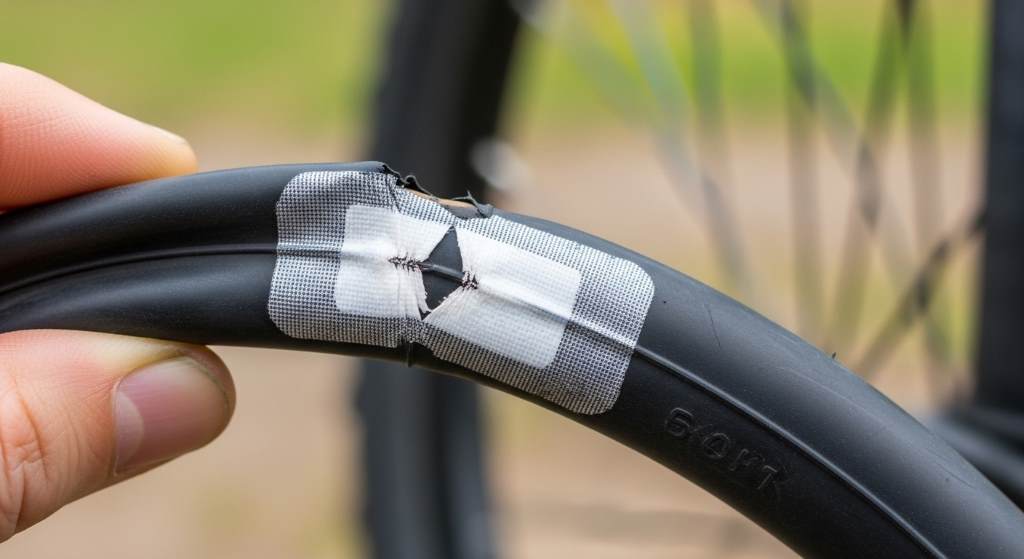
If patching the old tube, follow the instructions on your patch kit. Sand the area around the puncture lightly. Apply glue and then the patch. Press firmly and allow it to dry for a few minutes. Test the patch by inflating the tube slightly and listening for leaks.
Step 6: Reinstall the Tire onto the Rim
Starting at the valve, tuck the tire bead back into the rim by hand. Work your way around the wheel using your thumbs. The last part will be tight, so use your tire levers carefully. Avoid using metal levers that can damage the tube.
Ensure the tire is seated evenly all the way around the rim. Check that the tube is not pinched between the tire and rim. This can cause another flat. Spin the wheel to confirm everything looks aligned.
Step 7: Inflate the Tire to the Correct Pressure
Use your pump to inflate the tire to the recommended pressure. This is usually printed on the sidewall of the tire. For the Dynacraft Magna Echo Ridge Mountain Bike, check the manual for specifics. Overinflating can cause the tire to blow off the rim.
If using a CO2 inflator, be cautious as the air releases quickly. Hold the inflator firmly to avoid frostbite from the cold gas. Check the pressure with a gauge if available. Proper inflation ensures a smooth ride and prevents further flats.
Step 8: Reinstall the Wheel on the Bike
Align the wheel with the dropouts and slide it back into place. For rear wheels, ensure the chain is properly seated on the cogs. Tighten the quick-release skewer or nuts securely. Spin the wheel to make sure it rotates freely without wobbling.
Test the brakes to ensure they engage the rim or rotor properly. Give the wheel a final check for alignment. This step is critical for safety. A misaligned wheel can cause poor handling and increase the risk of accidents.
Unique Tips for Fixing a Flat on the Dynacraft Magna Echo Ridge Mountain Bike
The Dynacraft Magna Echo Ridge Mountain Bike often features wider tires for better traction. Wider tires can be trickier to remove and install. Using three tire levers instead of two can make the job easier. Space them evenly around the rim to distribute the force.
If you ride in wet or muddy conditions, carry a small towel to dry off your hands and tools. Wet hands can make it hard to grip tire levers and tubes. Keeping everything dry prevents slipping and potential damage to the tube.
Consider practicing this process at home before hitting the trail. This builds muscle memory and confidence. It also helps you identify any tools you might be missing. A dry run ensures you are prepared for real-life situations.
For riders in hot climates, be aware that tubes can expand in heat. This may cause them to fail more easily if already weakened. Always carry extra water for yourself and check your tires more frequently in extreme temperatures.
Common Mistakes to Avoid
One common mistake is using a screwdriver or other sharp tool as a tire lever. This can puncture the tube or scratch the rim. Always use proper tire levers designed for the job. Plastic levers are gentler on tubes and rims.
Another mistake is not checking the tire for the cause of the flat. If you do not remove the thorn or nail, it will puncture the new tube immediately. Take your time to inspect the tire thoroughly. This step is often overlooked in a rush to get back on the trail.
Over-tightening the quick-release skewer or axle nuts can damage the axle or hub. Tighten just enough to secure the wheel without excessive force. If unsure, check the bike manual for torque specifications. This ensures longevity of your bike components.
Forgetting to align the label on the tire with the valve can make future flats harder to diagnose. Aligning them helps you locate the puncture quickly. It also ensures balanced wear on the tire over time.
Maintenance Tips to Prevent Future Flats
Regularly check your tire pressure before each ride. Underinflated tires are more prone to pinch flats. Use a pressure gauge for accuracy. The Dynacraft Magna Echo Ridge Mountain Bike performs best at the recommended pressure.
Inspect your tires for wear and embedded debris after every ride. Remove any small stones or glass that could work their way through the tire. Rotate your tires periodically to ensure even wear. This extends their lifespan and improves performance.
Consider using tire liners or sealants for added puncture protection. These products can seal small holes automatically. They are especially useful for riders who frequently encounter rough terrain. Investing in quality tires can also reduce the likelihood of flats.
Keep your bike clean and well-lubricated. Dirt and grime can cause premature wear on tires and tubes. Regular maintenance keeps all components in top condition. This reduces the risk of unexpected failures on the trail.
What to Do If You Get Stuck on the Trail
If you cannot fix the flat, call a friend or use a bike repair service if available. Many trails have emergency contact numbers posted. Stay visible and safe while waiting for help. Use reflective gear or lights if it is getting dark.
Carry a fully charged phone and a portable charger. This ensures you can call for help if needed. Let someone know your planned route and expected return time. This is a basic safety precaution for all riders.
If you are in a group, work together to solve the problem. One person may have a tool or skill that another lacks. Sharing knowledge and resources makes the experience better for everyone. It also builds camaraderie among riders.
Conclusion
Fixing a flat tire on your Dynacraft Magna Echo Ridge Mountain Bike is a valuable skill. It saves time, money, and ensures you can enjoy uninterrupted rides. With the right tools and practice, anyone can master this task. Always be prepared and stay safe on the trails.
Take the time to practice at home and carry a repair kit on every ride. Share this knowledge with fellow riders to build a stronger cycling community. Happy riding and stay safe out there.
FAQ
How often should I check my tire pressure on the Dynacraft Magna Echo Ridge Mountain Bike?
Check your tire pressure before every ride to ensure optimal performance and prevent flats.
Can I use a car pump to inflate my bike tires?
Yes, but use a pressure gauge to avoid overinflating, as car pumps can deliver too much air too quickly.
What is the best way to store spare tubes?
Keep spare tubes in a cool, dry place away from direct sunlight to prevent degradation.
How do I know if my tire is too worn to use?
Look for cracks, cuts, or exposed cords in the tire, which indicate it is time for a replacement.
Are tubeless tires a good option for the Dynacraft Magna Echo Ridge Mountain Bike?
Tubeless tires can reduce the risk of flats and are a great upgrade for trail riding.
Welcome to outdoorxsports.com! I’m Russell, your guide to the awesome world of mountain biking. This blog is all about building a community of riders who love to share their passion for the sport. Expect inspiring stories, local trail recommendations, fun challenges, and tips for making the most of your time on two wheels.