
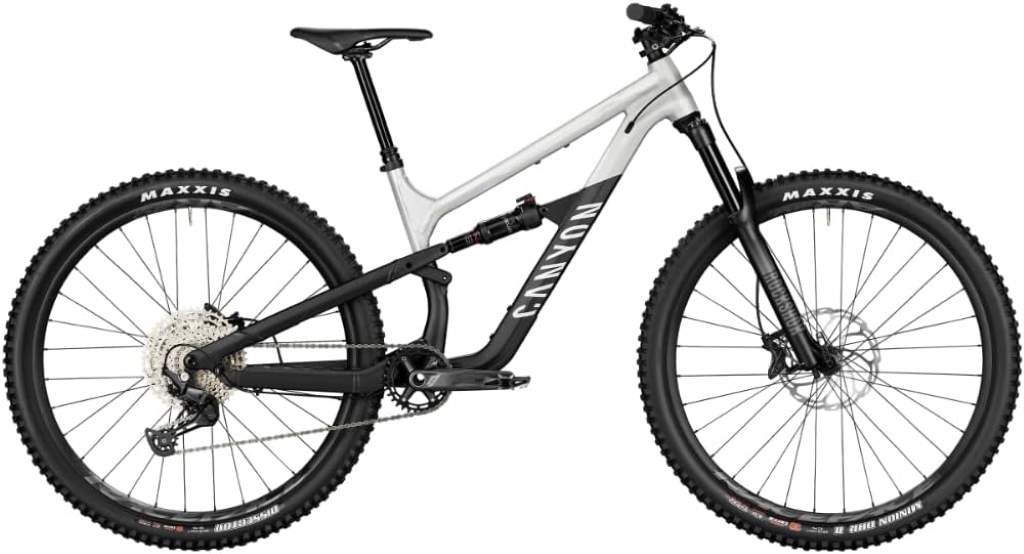
Mountain biking has shifted in a noticeable way over the last decade. Riders now expect a single bike to climb efficiently and still handle technical descents with confidence. Trail bikes sit right in that middle ground, and models like the Canyon Spectral 125 AL 5 aim to balance both sides.
This bike uses a shorter rear travel setup paired with aggressive geometry, which gives it a different personality than traditional trail bikes. With 140 mm front suspension and 125 mm at the rear, it sits in a category that prioritizes control and responsiveness over pure cushioning.
In real riding conditions, that design choice shapes everything from how it climbs to how it behaves on rough terrain.
Canyon Spectral 125 AL 5 Overview
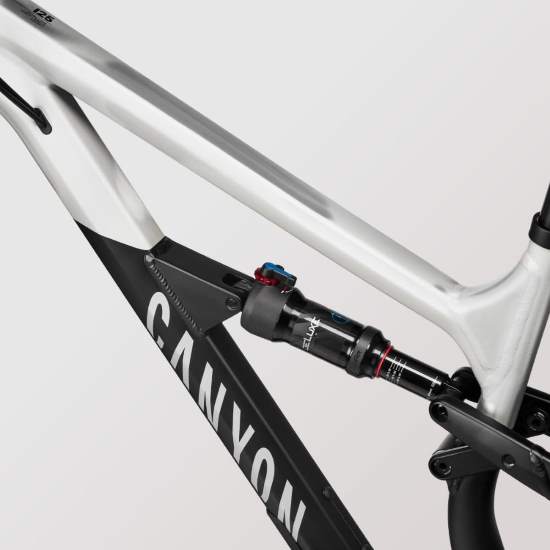
The first thing you notice when riding the Spectral 125 AL 5 is how planted it feels at speed. The frame geometry leans toward a long and slack setup, which gives the bike strong stability on descents. It encourages you to stay loose and let the bike carry momentum rather than constantly correcting your line.
On flatter trails and rolling terrain, the bike feels lively. The suspension responds quickly, and there is a noticeable pop when you push through corners or small features. That comes from its tuned leverage curve and shorter travel design, which focuses more on responsiveness than deep cushioning.
Climbing is efficient, but not effortless. The anti squat design helps reduce pedal bob, yet the overall geometry still favors descending. On steep climbs, you may need to shift your weight forward to keep traction.
The aluminum frame feels solid and direct. It does not absorb trail chatter as smoothly as higher end carbon setups, but it offers a more grounded ride. Riders who prefer feedback from the trail will appreciate that.
This bike suits intermediate to advanced riders who spend more time on technical trails, fast descents, and mixed terrain. It performs well in bike park style runs, rocky paths, and loose surfaces.
It may not suit riders who prioritize long climbs, cross country efficiency, or ultra smooth suspension feel. The geometry and setup lean toward aggressive trail riding rather than all day endurance.
Maintenance remains manageable. Internal cable routing and durable bearings reduce frequent adjustments, though suspension tuning still requires some attention for best performance.
User Experience
Eric Goana, Weekend Trail Rider
I spent a few months riding this bike on mixed terrain, including loose gravel climbs and technical descents. What stood out most was the confidence it gave me going downhill. I could carry speed without feeling unstable.
Climbing felt decent, though not the strongest point. I had to stay focused on positioning during steeper sections. Once I reached the top, the descent made the effort worthwhile.
The bike felt responsive when jumping or hitting small features. It did not feel sluggish, which I expected given its weight. After some suspension tuning, the ride improved noticeably.
Key Features
Ride Stability
The geometry plays a major role in how this bike handles. A slack head angle and extended reach provide a stable front end, especially on steep descents. You feel more in control when riding over uneven terrain or loose surfaces. However, this same setup can feel less agile in tight switchbacks or slower technical climbs.
Suspension Behavior
The suspension setup prioritizes responsiveness over plushness. It delivers a firm and supportive ride that encourages active riding. Riders who enjoy pumping through terrain and using trail features will appreciate this. On rough trails, it does not absorb every bump, so some fatigue can build on longer rides.
Frame Construction
The aluminum frame offers a strong and durable base. It feels rigid under pressure, which helps with power transfer during pedaling. At the same time, it adds some weight compared to carbon alternatives. Lighter riders may notice this more during climbs or extended rides.
Climbing Efficiency
The bike climbs better than expected for its category. Anti squat tuning reduces unnecessary suspension movement, which helps maintain pedaling efficiency. Still, the geometry leans toward descending performance, so climbing requires a bit more effort and attention to balance.
Component Reliability
The drivetrain and braking system provide consistent performance across different conditions. The setup feels dependable without requiring frequent adjustments. Over time, these components hold up well under regular trail use, though riders who push hard may want occasional fine tuning.
Maintenance Practicality
Internal cable routing and accessible frame design simplify routine maintenance. Replacing cables or making adjustments does not feel overly complex. The bike also uses durable bearings and protective elements that reduce wear over time.
Pros and Cons
| Pros | Cons |
| Stable on fast descents | Heavier than some rivals |
| Playful and responsive ride | Climbing requires more effort |
| Strong durable frame build | Less plush over rough terrain |
Who This Product Is Best For
This bike works best for riders who prioritize descending confidence and technical trail performance. If you enjoy steep terrain, jumps, and fast sections, it delivers a controlled and engaging ride.
Frequent trail riders who want a balance between fun and capability will find it suitable. It supports progression, especially for riders moving into more aggressive terrain.
It may not suit beginners who prefer relaxed handling or riders focused on long distance cross country rides. Those users may benefit from a lighter and more climb oriented setup.
Discover Also:
Huffy Stone Mountain Hardtail Mountain Bike — Is it Worth Buying in 2026?
The Definitive Guide to Mountain Bike Suspension Pumps
Conclusion
The Canyon Spectral 125 AL 5 offers a clear riding identity. It focuses on control, responsiveness, and downhill confidence rather than pure efficiency.
It rewards riders who stay active on the bike and use the terrain creatively. At the same time, it asks for a bit more effort when climbing and a willingness to adapt to its geometry.
If your riding style leans toward technical trails and fast descents, this bike fits naturally. If you prefer smoother rides and easier climbs, you may want to consider a different style of trail bike.
FAQs
Is the Canyon Spectral 125 AL 5 good for beginners?
It suits intermediate riders more due to its aggressive handling.
Can it handle rough trails?
Yes, it manages rocky and uneven terrain with strong stability.
Is it suitable for long rides?
It works, but may feel tiring over extended distances.
How does it climb?
It climbs reasonably well but requires active positioning.
Does it need frequent maintenance?
No, routine care is simple and manageable.
Welcome to outdoorxsports.com! I’m Russell, your guide to the awesome world of mountain biking. This blog is all about building a community of riders who love to share their passion for the sport. Expect inspiring stories, local trail recommendations, fun challenges, and tips for making the most of your time on two wheels.