
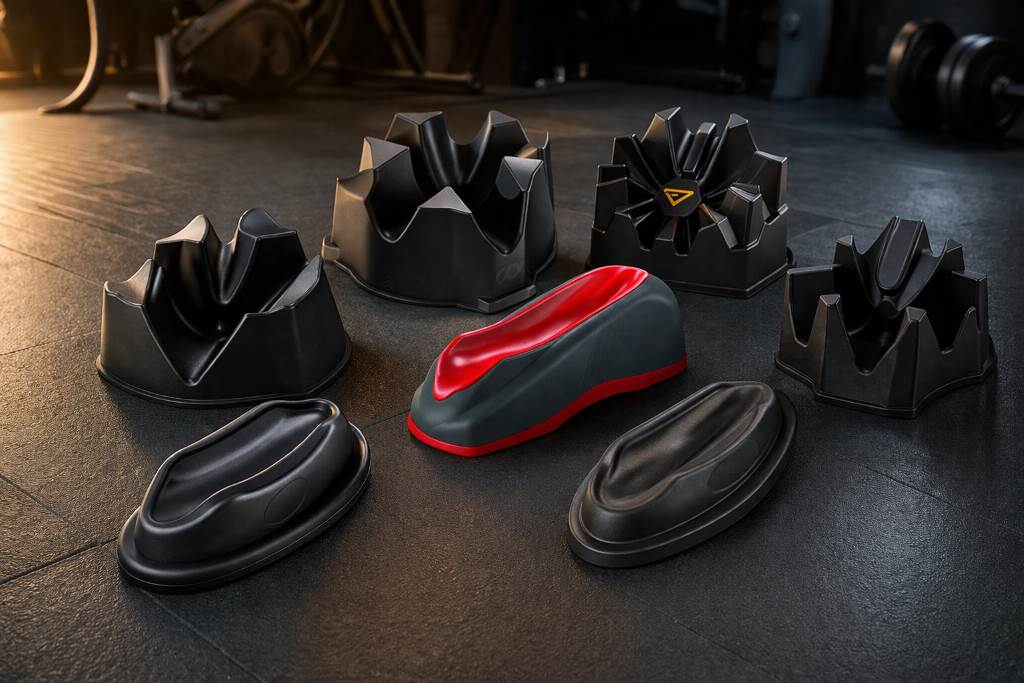
Indoor cycling becomes a necessity in places like Minnesota, where winters stretch long and outdoor riding can drop sharply for several months. According to data from the U.S. Bureau of Transportation Statistics, cycling activity in colder states can decline by over 40 percent during winter months. That shift pushes many riders toward indoor trainers, where small accessories like a front wheel riser block make a noticeable difference.
A riser block is not just about leveling your bike. It affects posture, comfort, and stability over longer sessions. Riders often overlook how much front wheel positioning influences fatigue and control. This guide breaks down the most reliable options available and explains how each one performs in real use, especially for riders dealing with indoor setups during Minnesota’s colder seasons.
A Quick Overview of The Best Bike Front Wheel Riser Block in Minnesota
These options cover a range of stability levels, adjustability, and rider preferences.
- Thinvik Front Wheel Riser Block
- GEEDIAR Front Wheel Riser Block
- Flexzion Front Wheel Riser Block
- KOM Cycling Indoor Trainer Front Wheel Riser Block
- Saris CycleOps Climbing Riser Block
- CyclingDeal Front Wheel Riser Block
- Elite EliteGel Block Front Wheel Riser
- RAD Cycle Adjustable Front Wheel Riser Block
Best Bike Front Wheel Riser Block in Minnesota of 2026
Minnesota riders often train indoors for extended periods, which makes comfort and consistency critical. These riser blocks were selected based on stability, usability, and how well they hold up under repeated indoor use.
Thinvik Front Wheel Riser Block
Simple design with reliable grip
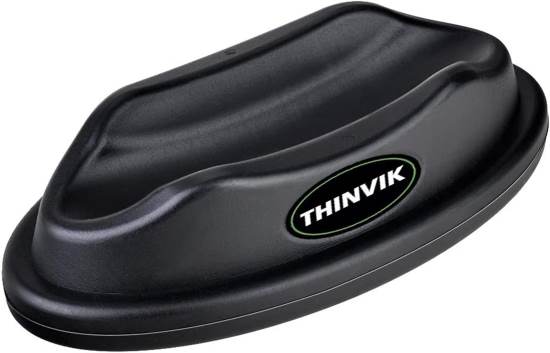
The Thinvik riser block feels straightforward the moment you set it up. It has a compact footprint, which works well in tight indoor spaces like apartments or basements. The surface grip keeps the front wheel steady even during higher cadence sessions, which matters when you are pushing through long winter workouts.
It suits riders who want something functional without extra adjustments. The fixed height works fine for most road and mountain bikes, although taller riders might feel slightly limited in posture alignment. Maintenance is minimal since there are no moving parts. Just occasional cleaning keeps it stable.
Where it struggles is adaptability. If your trainer setup sits unusually high or low, you may need a different option.
User Review – Mark Jensen, Minneapolis
I used this all winter in my basement setup. It stays in place and does not slide even when I sprint. I wish it had height options, but for steady rides it works well.
Key Features
Compact footprint design
Fits small indoor setups without crowding space, though less stable on uneven floors.
Non slip base structure
Keeps the block planted during intense pedaling sessions, reducing distraction.
Standard height alignment
Works for most trainers but may not match every bike geometry perfectly.
Durable molded plastic build
Handles repeated use without cracking, though not ideal for heavy impacts.
Lightweight construction
Easy to move and store, but slightly less grounded than heavier models.
Universal tire compatibility
Supports both road and mountain tires without adjustment.
Pros and Cons
| Pros | Cons |
| Easy setup and use | No height adjustment |
| Stable during steady rides | Limited for tall riders |
| Compact and lightweight | Less adaptable overall |
GEEDIAR Front Wheel Riser Block
Stable support with wider base
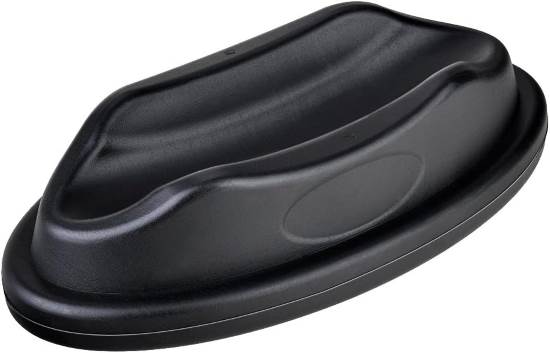
The GEEDIAR riser block feels more grounded compared to entry level options. Its wider base provides noticeable stability, especially during longer endurance rides. Riders who spend over an hour on the trainer will appreciate the reduced front wheel movement.
It accommodates a range of tire sizes comfortably. The slightly deeper groove helps keep the wheel centered, which reduces micro adjustments during pedaling. In colder environments like Minnesota garages, the material holds up well without becoming brittle.
The downside is its fixed design. It does not offer elevation changes, which can limit positioning for riders focused on precise training posture.
User Review – Lisa Carter, Duluth
I ride indoors almost daily in winter. This block feels solid and does not shift at all. It is simple but dependable, which is what I needed.
Key Features
Wide base stability platform
Improves balance during longer sessions and reduces unwanted movement.
Deep wheel groove design
Keeps tire centered for smoother pedaling consistency.
Cold resistant material
Maintains durability in low temperature indoor spaces.
Non slip bottom surface
Prevents sliding on smooth floors like concrete or laminate.
Universal compatibility range
Works with most tire widths without adjustment.
Minimal maintenance structure
No moving parts means fewer issues over time.
Pros and Cons
| Pros | Cons |
| Very stable base design | No adjustable height |
| Works with many tires | Slightly bulky footprint |
| Good for long sessions | Limited posture tuning |
Flexzion Front Wheel Riser Block
Balanced design for general use
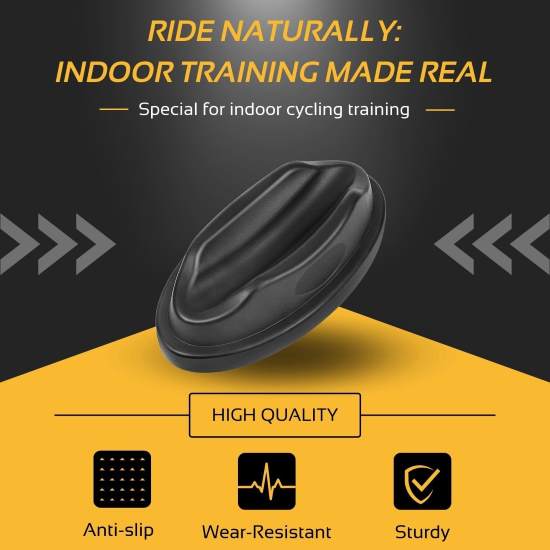
The Flexzion riser block sits somewhere between basic and premium. It offers stable support without becoming oversized. In real use, it feels dependable for both casual and moderate training intensity.
Its shape supports the wheel securely while allowing quick placement. Riders who switch between indoor and outdoor cycling setups will find it easy to reposition. The material holds up well under repeated use, although it is not as heavy as higher end models.
It performs best for average training routines rather than aggressive sprint sessions. Under heavy force, you might notice slight movement if the floor is smooth.
User Review – Daniel Brooks, St. Paul
This one works well for my evening rides. It is easy to set up and does not take much space. I would not use it for intense training, but for regular workouts it is fine.
Key Features
Balanced structural design
Offers stability without excessive bulk, suitable for most riders.
Quick placement groove
Makes setup fast when switching between sessions.
Moderate weight build
Easy to handle while still providing decent stability.
Smooth surface finish
Prevents tire wear during long rides.
Universal bike compatibility
Supports road and mountain bikes comfortably.
Durable plastic composition
Resists wear under regular indoor cycling use.
Pros and Cons
| Pros | Cons |
| Easy to reposition | Slight movement under force |
| Works for most setups | Not ideal for sprinting |
| Compact and practical | Moderate durability only |
KOM Cycling Indoor Trainer Front Wheel Riser Block
Refined design with better grip
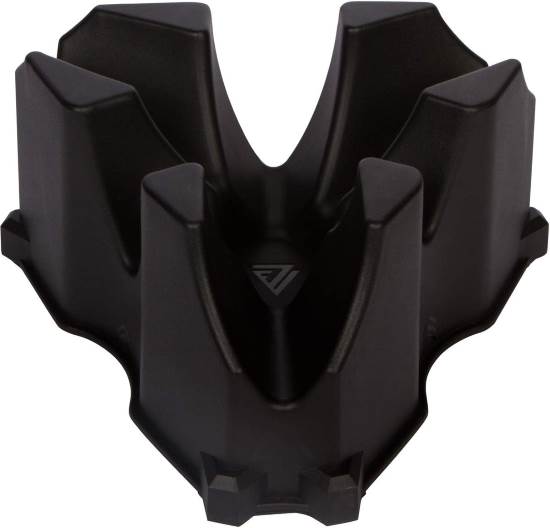
KOM Cycling focuses on improving rider experience, and it shows in this riser block. The grip feels more secure compared to many standard options, especially during higher intensity sessions. It holds the front wheel firmly in place, which helps maintain focus during structured workouts.
The shape supports proper alignment, making it suitable for riders who care about posture. It also works well with different trainer setups. Maintenance remains simple, requiring only occasional cleaning.
The only limitation is the lack of adjustability. Riders who want variable elevation will need to look elsewhere.
User Review – Ryan Mitchell, Rochester
I use this with my smart trainer setup. It feels solid even when I push hard. I like the grip, it keeps everything stable.
Key Features
Enhanced grip surface
Improves stability during intense pedaling efforts.
Ergonomic wheel positioning
Supports better riding posture over longer sessions.
Compact but sturdy build
Balances portability with reliable performance.
Durable material quality
Handles frequent use without structural issues.
Wide tire compatibility
Fits different bike types without adjustment.
Low maintenance design
Simple to clean and maintain over time.
Pros and Cons
| Pros | Cons |
| Strong grip stability | No height options |
| Good posture support | Slightly higher profile |
| Reliable for intense rides | Fixed configuration only |
Saris CycleOps Climbing Riser Block
Stackable design for variable height
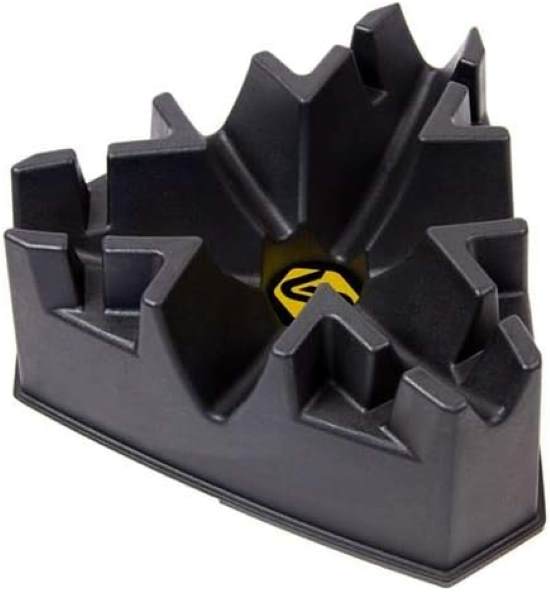
This model stands out because of its adjustable stacking system. It allows you to simulate climbing positions, which adds variety to indoor training. That feature becomes especially useful during long Minnesota winters when outdoor terrain is unavailable.
In practice, it feels stable even when stacked, although careful placement matters. Riders who focus on structured training programs benefit the most from this flexibility. The material feels durable and well constructed.
However, it requires more setup attention. Beginners might find it slightly less intuitive compared to fixed designs.
User Review – Kevin Larson, Bloomington
I like using the different height levels during training. It adds variety to indoor rides. Setup takes a bit longer, but it is worth it.
Key Features
Stackable height system
Allows simulation of climbing positions for varied training.
Durable construction quality
Supports repeated stacking without weakening.
Stable base platform
Maintains balance even at higher elevations.
Flexible training application
Adapts to different workout styles.
Secure wheel placement groove
Keeps tire stable across configurations.
Advanced training support design
Better suited for structured routines.
Pros and Cons
| Pros | Cons |
| Adjustable height levels | Slightly complex setup |
| Great for training variety | Takes more space |
| Strong build quality | Not beginner friendly |
CyclingDeal Front Wheel Riser Block
Practical option for everyday use
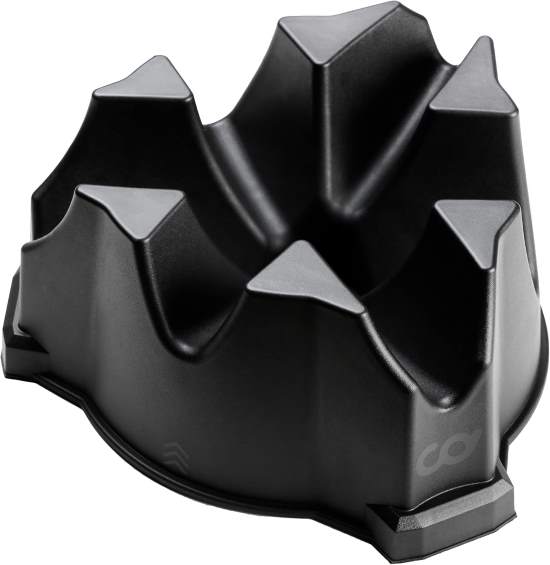
CyclingDeal offers a straightforward riser block that performs consistently for regular indoor training. It feels stable enough for most sessions and supports a range of bike types.
The design keeps things simple, which many riders appreciate. It does not require adjustments or complicated setup. For Minnesota riders training indoors frequently, that simplicity reduces friction in daily use.
It does not stand out in any specific area, though. Advanced riders might want more features or adjustability.
User Review – Amanda Scott, Fargo
I use this almost every day in winter. It does the job without any issues. Nothing fancy, just reliable.
Key Features
Simple functional design
Focuses on ease of use without unnecessary complexity.
Stable base support
Keeps front wheel steady during normal rides.
Wide compatibility range
Works with various bike types.
Lightweight construction
Easy to move and store after use.
Durable everyday material
Handles regular sessions without damage.
Low effort maintenance
Requires minimal upkeep over time.
Pros and Cons
| Pros | Cons |
| Simple and reliable | No advanced features |
| Easy to use daily | Limited adjustability |
| Lightweight design | Average stability only |
Elite EliteGel Block Front Wheel Riser
Comfort focused gel support
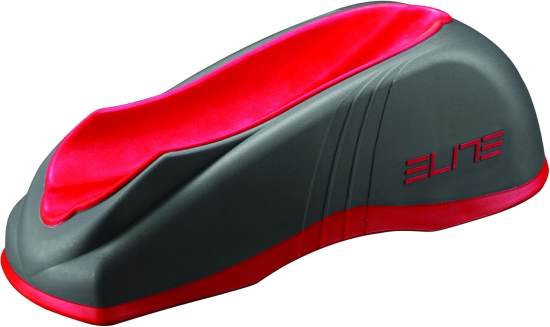
This riser block introduces a gel based surface that slightly absorbs vibration. During long sessions, that subtle cushioning reduces fatigue in the hands and upper body.
It feels different from rigid plastic models. Riders who spend extended time on trainers will notice the comfort improvement. It works well in quieter indoor environments since it dampens minor vibrations.
The tradeoff is durability under heavy pressure. It is better suited for steady rides rather than aggressive sprinting.
User Review – Chris Nolan, Madison
This one feels softer compared to others I tried. It makes long rides more comfortable. I would not use it for high intensity work.
Key Features
Gel cushioning surface
Reduces vibration for improved comfort during long sessions.
Noise reduction benefit
Helps create quieter indoor training environments.
Stable base structure
Maintains position despite softer upper layer.
Comfort focused design
Supports endurance style workouts.
Universal tire compatibility
Works with most bike types easily.
Low maintenance material
Easy to clean and maintain.
Pros and Cons
| Pros | Cons |
| Comfortable for long rides | Less suited for sprints |
| Reduces vibration noise | Softer structure overall |
| Unique gel design | Not for heavy force use |
RAD Cycle Adjustable Front Wheel Riser Block
Adjustable height with solid base
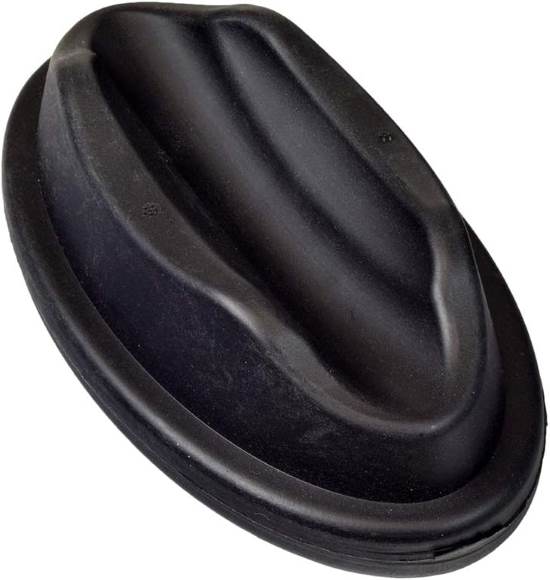
RAD Cycle offers one of the more versatile options thanks to its adjustable height system. It allows riders to fine tune their bike position, which improves comfort over long indoor sessions.
In real use, the adjustment mechanism feels sturdy. Once set, it holds position well. This makes it suitable for riders who want more control over their setup, especially when switching between bikes.
It is slightly bulkier than fixed models, which may matter in smaller spaces.
User Review – Tom Harris, Sioux Falls
I like being able to adjust the height. It helped improve my riding position indoors. It takes a bit more space, but it works well.
Key Features
Adjustable height mechanism
Allows precise alignment for better riding posture.
Stable locking system
Keeps chosen height secure during use.
Wide base support design
Improves overall balance during sessions.
Durable structural build
Handles repeated adjustments without wear.
Versatile compatibility
Works with different bikes and setups.
Enhanced training flexibility
Adapts to varied riding preferences.
Pros and Cons
| Pros | Cons |
| Adjustable for better fit | Takes more space |
| Strong and stable base | Slightly heavier build |
| Good for multiple bikes | Setup takes longer |
Bike Front Wheel Riser Block Buying Guide
Choosing the right riser block involves more than picking a stable platform. Small differences in design can affect comfort, posture, and long term usability.
What Actually Matters Before Choosing Bike Front Wheel Riser Block
Core performance factors
Stability directly affects how your bike feels during training. Many buyers assume any block will hold the wheel in place, but movement becomes noticeable during high cadence or sprint efforts. A wider base and deeper wheel groove improve consistency.
Material quality and durability
Plastic composition varies more than most expect. Lower grade materials can become brittle in cold indoor spaces like garages. Durable builds maintain shape and grip over time, which prevents subtle shifts during rides.
Comfort and usability
Comfort depends on height alignment and surface feel. Riders often overlook how front wheel elevation influences back and shoulder strain. A slightly incorrect angle can lead to discomfort over long sessions.
Maintenance and ownership effort
Most riser blocks require little maintenance, but design still matters. Adjustable models need occasional checks to ensure stability. Fixed models are easier to manage but offer less flexibility.
Environmental compatibility
Indoor setups differ widely. Some riders train on concrete floors, others on mats. Non slip bases matter more on smooth surfaces. Temperature also plays a role, especially in colder regions.
Safety considerations
A slipping riser block can disrupt balance and increase injury risk. Stability features are not optional. Buyers often underestimate how much force transfers through the front wheel during intense riding.
Related:
The Best Stationary Bike Stands of 2026
Top 5 Best Magnetic Bike Trainer Reviews Of 2026
Common Buyer Mistakes
Many buyers assume all riser blocks perform the same. In reality, differences in base width and grip significantly affect stability. Choosing purely on price often leads to discomfort later.
Another common mistake is ignoring height alignment. Riders think leveling is enough, but posture depends on precise positioning. Poor alignment leads to fatigue over time.
Some buyers choose adjustable models without needing them. While flexibility helps, it also adds complexity. If you ride at a consistent setup, fixed designs often work better.
Overlooking floor type is another issue. A block that works well on rubber mats may slide on smooth concrete. Matching the base material to your floor matters.
Many riders also underestimate training intensity. A block that feels stable during easy rides may shift during sprints. Matching the product to your riding style is essential.
Finally, buyers often ignore long term durability. Indoor cycling involves repeated pressure. Materials that hold up well initially may degrade with continuous use.
How to Match Products to Specific Needs
Casual users benefit from simple, fixed riser blocks. They prioritize ease of use and minimal setup effort. Stability matters, but advanced features are unnecessary.
Heavy daily users should focus on durability and comfort. Models with better grip or slight cushioning reduce fatigue over extended sessions.
For small spaces, compact designs work best. Lightweight blocks are easier to move and store, especially in shared living environments.
Budget conscious buyers should look for balanced options. Durability matters more than extra features. A simple but well built block often lasts longer.
Advanced users benefit from adjustable or stackable designs. These allow posture tuning and training variation, which improves indoor cycling quality over time.
Conclusion
A front wheel riser block may seem like a minor accessory, but it shapes the entire indoor riding experience. Stability, comfort, and alignment all depend on choosing the right one.
For Minnesota riders, where indoor training often becomes routine for months, that choice matters even more. Some riders need simplicity, others need adjustability or comfort features.
Focus on how you ride, how often you train, and what environment you use. That clarity will lead you to the right option without overcomplicating the decision.
FAQs
What does a front wheel riser block do
It levels the bike and improves riding posture during indoor training.
Do I need an adjustable riser block
Only if you want to fine tune height or simulate different riding positions.
Can I use it on any floor type
Yes, but non slip bases work better on smooth surfaces.
Does it fit all bike types
Most models support both road and mountain bikes.
How often should I replace it
Replace only if it shows wear or loses stability.

Welcome to outdoorxsports.com! I’m Russell, your guide to the awesome world of mountain biking. This blog is all about building a community of riders who love to share their passion for the sport. Expect inspiring stories, local trail recommendations, fun challenges, and tips for making the most of your time on two wheels.