
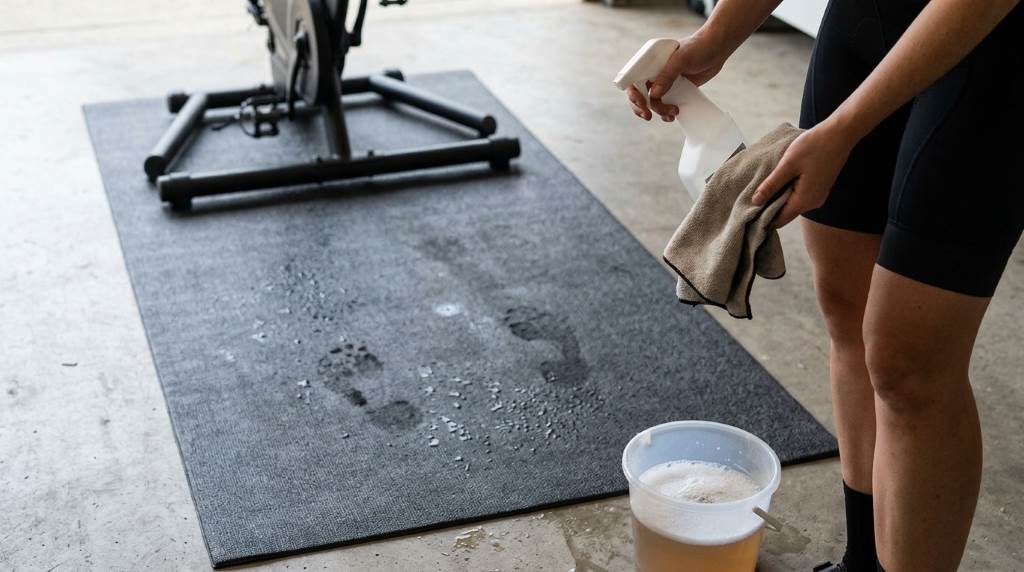
Indoor cycling is a great way to stay fit, but it often leaves your bike trainer mat soaked in sweat. Studies show that over 70% of cyclists do not clean their mats regularly, leading to bacteria buildup. A dirty mat can also wear out faster and lose its grip. Keeping it clean ensures hygiene and longevity.
Cleaning your mat after each session might seem like a chore. However, it prevents odors and maintains a safe workout space. Sweat contains salts and oils that can degrade the mat material over time. Regular cleaning also keeps the surface non-slippery for your next ride.
Why Cleaning Your Bike Trainer Mat Matters
Sweat is not just water. It contains salts, urea, and bacteria that can damage your mat. These substances can break down the material, causing it to crack or lose its texture. A clean mat also reduces the risk of skin infections from bacteria.
A well-maintained mat provides better traction. This is important for stability during intense workouts. It also prevents the mat from slipping on the floor, which can lead to accidents. Cleaning removes dirt that can scratch your bike or floor.
Odor is another big issue. Bacteria in sweat thrive on unclean surfaces, creating unpleasant smells. Regular cleaning removes these bacteria, keeping your workout area fresh. This is especially important in small or enclosed spaces.
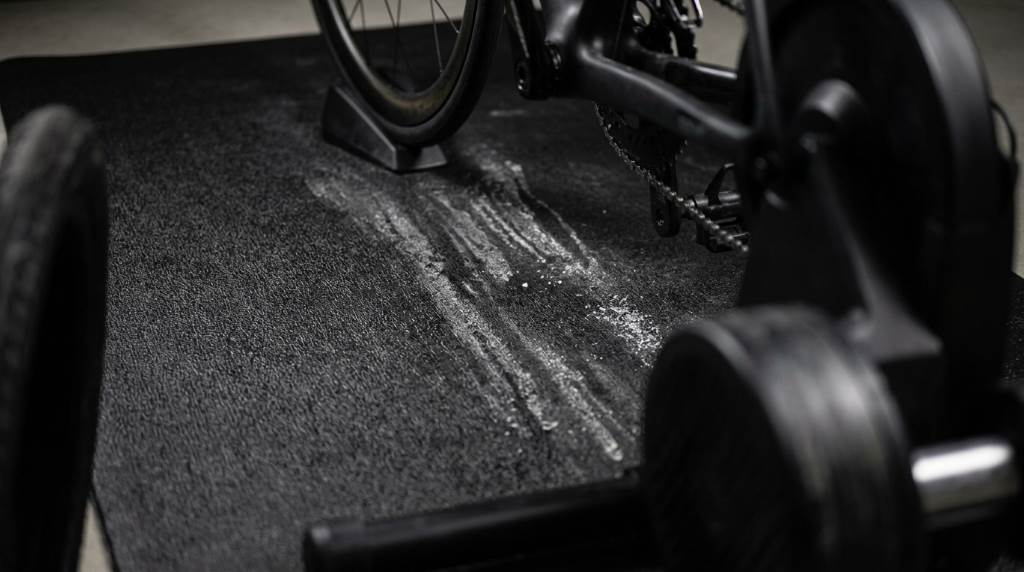
Materials You Will Need
Gather a few simple items before you start. A mild soap or detergent works best for cleaning. Avoid harsh chemicals as they can damage the mat. A soft brush or cloth helps scrub away dirt without scratching the surface.
You will also need warm water. It helps break down sweat and grime effectively. A spray bottle can make applying the cleaning solution easier. For tough stains, baking soda or vinegar can be useful.
Have a dry towel ready for wiping the mat after cleaning. This removes excess moisture and speeds up drying. A fan or open window can help with airflow. Always let the mat dry completely before rolling it up.
Step-by-Step Cleaning Process
Pre-Cleaning Preparation
Start by unrolling the mat on a flat surface. Remove any loose dirt or debris with a dry cloth. This prevents scratching the mat during the cleaning process. Check for any visible stains or areas with heavy sweat buildup.
Mix a small amount of mild soap with warm water in a bowl or spray bottle. Shake it well to create a soapy solution. Avoid using too much soap, as it can leave a residue. Test the solution on a small area first to ensure it does not damage the mat.
Cleaning the Mat
Spray or apply the soapy solution evenly across the mat. Use a soft brush or cloth to scrub the surface in circular motions. Pay extra attention to areas with visible sweat or dirt. Avoid scrubbing too hard to prevent damage.
For tough stains, sprinkle baking soda on the affected area. Let it sit for a few minutes before scrubbing. Baking soda helps neutralize odors and lift stains. Vinegar can also be used for its natural disinfecting properties.
Wipe the mat with a damp cloth to remove soap and dirt. Rinse the cloth frequently to avoid spreading dirt. Ensure all soap residue is removed, as it can attract more dirt later.
Drying the Mat
Use a dry towel to pat the mat dry. Press down firmly to absorb as much moisture as possible. Flip the mat over and repeat the process on the other side. This ensures both sides dry evenly.
Hang the mat or lay it flat in a well-ventilated area. Avoid direct sunlight, as it can cause the mat to fade or crack. Let it air dry completely before rolling it up. This can take a few hours depending on humidity levels.
Deep Cleaning for Stubborn Odors
If your mat has a strong odor, a deep clean may be needed. Fill a bathtub or large container with warm water and a small amount of mild detergent. Submerge the mat and let it soak for 15 to 20 minutes.
After soaking, scrub the mat gently with a soft brush. Focus on areas with heavy sweat or odor buildup. Rinse the mat thoroughly with clean water to remove all soap and dirt.
For extra odor control, add a cup of white vinegar to the rinse water. Vinegar helps kill bacteria and neutralize smells. You can also use a few drops of essential oil for a fresh scent. Always rinse well after using vinegar.
After rinsing, hang the mat to dry in a shaded area. Ensure it is completely dry before storing it. This prevents mold and mildew from developing. Deep cleaning should be done every few months or as needed.
Maintenance Tips to Extend Mat Life
Clean your mat after every use to prevent sweat buildup. A quick wipe down with a damp cloth can make a big difference. This removes sweat before it has a chance to dry and leave residue.
Store your mat in a cool, dry place when not in use. Avoid folding it, as this can cause creases and damage over time. Rolling the mat is the best way to store it. Keep it away from direct heat sources.
Use a towel during workouts to absorb sweat. Place it on the mat where you tend to sweat the most. This reduces the amount of sweat that soaks into the mat. Replace the towel regularly to keep it fresh.
Rotate your mat occasionally to ensure even wear. This is especially important if you always place your bike in the same spot. Rotating the mat helps distribute wear and tear more evenly.
Common Mistakes to Avoid
Do not use bleach or strong chemicals to clean your mat. These can weaken the material and cause it to break down faster. Stick to mild soaps and natural cleaners like vinegar or baking soda.
Avoid scrubbing the mat with abrasive tools like steel wool. These can scratch and damage the surface. Always use soft brushes or cloths to clean your mat gently.
Never store your mat while it is still damp. Moisture can lead to mold and mildew growth, which can ruin the mat. Always ensure it is completely dry before rolling it up.
Do not expose your mat to extreme temperatures. High heat can cause the material to warp or crack. Avoid leaving it in a hot car or near a heater.
Unique Tips for Different Climates
In humid climates, drying your mat can take longer. Use a fan to speed up the process and prevent mold growth. Consider cleaning your mat more frequently to combat the extra moisture in the air.
If you live in a cold climate, avoid cleaning your mat in freezing temperatures. Water can freeze and damage the mat material. Clean and dry your mat indoors where it is warm.
For those in dusty areas, shake out your mat regularly. Dust and dirt can accumulate on the surface, making it harder to clean. Use a damp cloth to wipe away dust before it settles into the mat.
In coastal areas, salt air can affect your mat. Rinse it with fresh water after cleaning to remove any salt residue. This prevents the salt from drying out and damaging the material.
When to Replace Your Bike Trainer Mat
Even with proper care, bike trainer mats do not last forever. Look for signs of wear such as cracks, thinning, or loss of texture. These can reduce the mat’s effectiveness and safety.
If the mat no longer stays flat on the floor, it may be time to replace it. Curling edges or a warped shape can create a tripping hazard. A mat that slides around during use is also unsafe.
Persistent odors that do not go away after cleaning are another sign. This can indicate deep-seated bacteria or mold that cannot be removed. Replacing the mat ensures a clean and safe workout environment.
On average, a good-quality bike trainer mat lasts about 1 to 2 years with regular use. High-quality mats may last longer with proper care. Replace your mat when it no longer provides the support and grip you need.
Conclusion
Cleaning your bike trainer mat after a heavy sweat session is essential for hygiene and longevity. Regular cleaning prevents bacteria buildup, odors, and material degradation. It also ensures a safe and stable surface for your workouts.
Use mild soaps, warm water, and soft brushes for cleaning. Avoid harsh chemicals and abrasive tools that can damage the mat. Always dry the mat completely before storing it to prevent mold and mildew.
Incorporate maintenance habits like using a towel during workouts and storing the mat properly. These small steps can extend the life of your mat significantly. Replace your mat when it shows signs of wear or no longer performs well.
Take action today to clean your bike trainer mat. A little effort after each workout can keep it fresh and functional for years. Your health and safety are worth the extra few minutes.
FAQ
How often should I clean my bike trainer mat?
Clean your mat after every use to prevent sweat buildup and bacteria growth.
Can I use bleach to clean my bike trainer mat?
No, bleach can damage the mat material and should be avoided.
What is the best way to dry my bike trainer mat?
Hang it or lay it flat in a well-ventilated area away from direct sunlight.
How do I remove tough odors from my bike trainer mat?
Soak the mat in warm water with mild detergent and vinegar, then rinse thoroughly.
When should I replace my bike trainer mat?
Replace it if it shows signs of wear, persistent odors, or no longer stays flat on the floor.

Welcome to outdoorxsports.com! I’m Russell, your guide to the awesome world of mountain biking. This blog is all about building a community of riders who love to share their passion for the sport. Expect inspiring stories, local trail recommendations, fun challenges, and tips for making the most of your time on two wheels.