
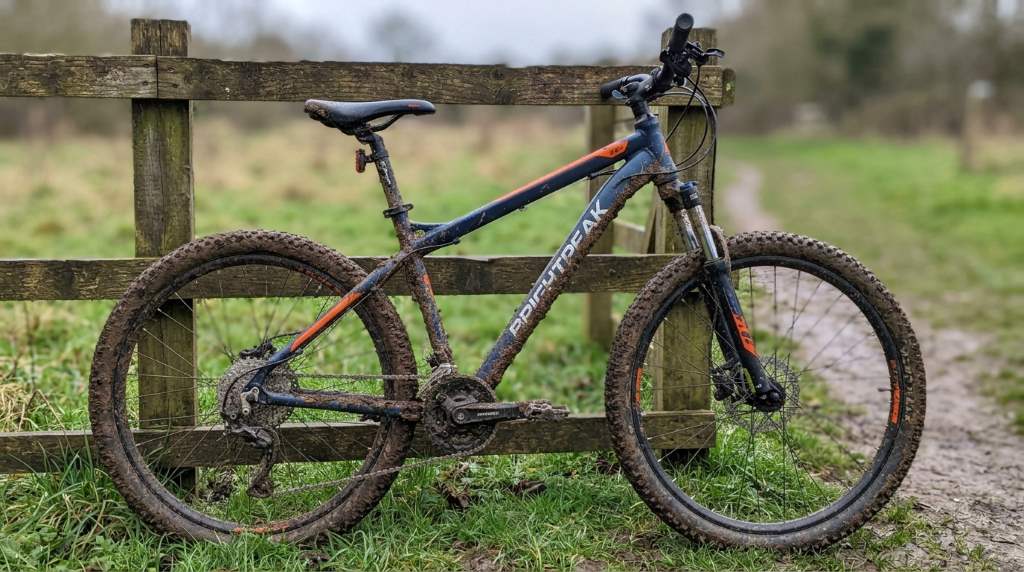
Mountain biking through muddy trails can be thrilling but it leaves your bike caked in dirt. A Brightpeak 26 Inch Mountain Bike needs proper cleaning to last long and perform well. Studies show that 70 percent of bike wear comes from grit and grime. Regular cleaning also prevents rust and keeps parts moving smoothly.
Riding in wet or muddy conditions can clog your drivetrain and damage components. Cleaning your bike after every muddy ride adds years to its life. This guide will walk you through the steps to restore your bike to top condition. You will also learn tips to handle stubborn mud and protect your bike long term.
Why Cleaning Your Bike After a Muddy Ride Matters
Mud and dirt build up on your bike can cause serious damage over time. Grime wears down the chain and gears faster than normal use. This leads to costly repairs or replacements if left unchecked.
A clean bike also rides smoother and shifts gears more reliably. Dirt in the drivetrain creates friction and reduces efficiency. You will pedal harder and get less speed without proper maintenance.
Mud can also hide scratches or damage on the frame. Regular cleaning lets you spot issues early. Catching small problems now prevents bigger repairs later.
Cleaning your bike improves its appearance and resale value. A well kept bike looks new and attracts better offers. Buyers pay more for bikes that show care and attention.
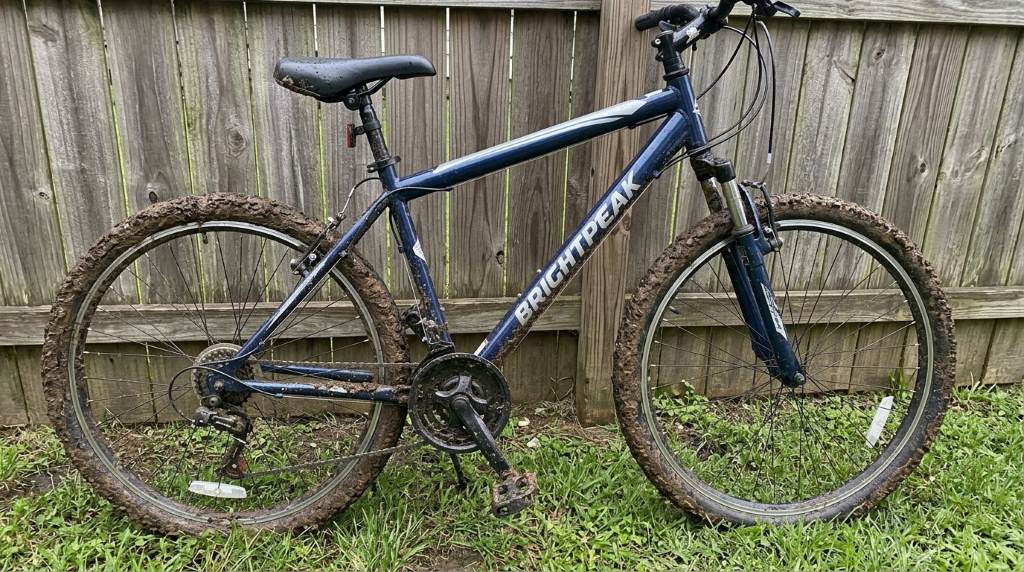
Tools and Materials You Will Need
Gather the right tools before you start cleaning your bike. A bucket of warm water and mild soap work for the frame. Avoid high pressure hoses as they can force water into bearings.
Use a soft bristle brush for the frame and wheels. A stiff brush helps remove mud from tires and hard to reach areas. Old toothbrushes are great for cleaning between chain links.
Degreaser is essential for the chain and drivetrain. Apply it and let it sit for a few minutes. This breaks down stubborn grease and grime effectively.
You will also need clean rags or microfiber cloths. These help dry and polish the bike after washing. A hose with a gentle spray setting can rinse off soap and dirt.
Lubricant is the final step after cleaning. Apply it to the chain and moving parts. This keeps everything running smoothly and prevents rust.
Step by Step Cleaning Process
Preparation
Start by finding a flat surface to work on. Lay down a tarp or old towel to catch dirt and water. This keeps your workspace clean and makes cleanup easier.
Remove any accessories like lights or bags. These can get in the way or get damaged during cleaning. Store them in a safe place until you finish.
Shift the chain onto the smallest chainring and rear cog. This makes it easier to clean the entire drivetrain. It also reduces the risk of damaging derailleurs.
Fill a bucket with warm water and add a small amount of mild soap. Avoid harsh detergents as they can damage bike finishes. Stir the water to create suds.
Cleaning the Frame and Wheels
Dip a soft brush or sponge into the soapy water. Gently scrub the frame starting from the top. Work your way down to the wheels and fork.
Pay extra attention to areas with mud buildup. Use a stiff brush for stubborn dirt on tires and rims. Rinse the brush frequently to avoid scratching the frame.
Clean the wheels by scrubbing the rims and spokes. Use a brush to reach between the spokes and hub. This removes dirt that can unbalance the wheel.
Rinse the frame and wheels with a gentle stream of water. Avoid spraying water directly at bearings or the bottom bracket. Use a rag to wipe away excess water.
Cleaning the Drivetrain
Apply degreaser to the chain and let it sit for a few minutes. Use a brush to scrub the chain and remove built up grime. Rotate the pedals to clean the entire chain.
Scrub the chainrings and cassette with a stiff brush. These areas collect a lot of dirt and need thorough cleaning. Use a rag to wipe away loosened grime.
Clean the derailleurs and jockey wheels with a brush and degreaser. These parts are often overlooked but critical for smooth shifting. Wipe them dry with a clean rag.
Rinse the drivetrain with a damp rag to remove degreaser residue. Avoid using a hose as it can force water into sensitive areas. Dry everything with a clean cloth.
Drying and Lubricating
Use a dry rag to wipe down the entire bike. Pay special attention to the chain and drivetrain. Removing moisture prevents rust and corrosion.
Let the bike air dry for a few minutes. This ensures all water evaporates from hard to reach areas. Check for any remaining dirt or moisture.
Apply lubricant to the chain while rotating the pedals. Use a drop on each chain link and wipe off excess. This prevents dirt buildup and keeps the chain running smoothly.
Lubricate the derailleurs and brake pivots if needed. Use a light bike specific lubricant for these parts. Avoid over applying as it can attract dirt.
Unique Tips for Stubborn Mud and Grime
For caked on mud use a plastic scraper to gently remove it. Be careful not to scratch the frame or components. A credit card works well for this purpose.
Soak stubborn grime in warm soapy water for a few minutes. This softens the dirt and makes it easier to remove. Use a brush to scrub away the loosened grime.
A vinegar and water solution can help remove tough stains. Mix equal parts vinegar and water and apply with a cloth. Rinse thoroughly with clean water afterward.
For carbon frames use a specialized bike cleaner. Avoid harsh chemicals that can damage the material. Always follow the manufacturer guidelines for cleaning.
Use a chain cleaning tool for a deeper clean. This device clamps onto the chain and scrubs it as you pedal. It is a great investment for regular riders.
Maintenance Tips to Keep Your Bike Clean Longer
Clean your bike after every muddy ride to prevent buildup. A quick rinse and wipe down can save hours of deep cleaning later. This habit extends the life of your bike.
Apply a protective coating to the frame after cleaning. This creates a barrier against dirt and moisture. It also makes future cleaning easier.
Store your bike in a dry place to prevent rust. Use a bike cover if storing outdoors. This protects your bike from the elements.
Check your bike regularly for signs of wear or damage. Look for rust rust scratches or loose parts. Addressing issues early prevents costly repairs.
Keep your cleaning tools clean and organized. Rinse brushes and rags after each use. This ensures they are ready for the next cleaning session.
Common Mistakes to Avoid
Avoid using a high pressure hose to clean your bike. This can force water into bearings and cause damage. Stick to a gentle stream or a damp rag.
Do not use harsh chemicals or abrasive cleaners. These can damage the bike finish and components. Stick to mild soap and bike specific cleaners.
Never lubricate a dirty chain. This traps dirt and grime inside the links. Always clean the chain thoroughly before applying lubricant.
Avoid over lubricating the chain or other parts. Excess lubricant attracts dirt and creates a messy buildup. Use a moderate amount and wipe off excess.
Do not ignore the small parts like bolts and pivots. These areas can collect dirt and cause issues over time. Clean and lubricate them as needed.
Conclusion
Cleaning your Brightpeak 26 Inch Mountain Bike after a muddy ride is essential for its longevity. Regular maintenance keeps your bike running smoothly and looking great. Follow these steps to tackle even the toughest grime.
Investing time in cleaning now saves money on repairs later. A well maintained bike performs better and lasts longer. Make cleaning a regular part of your riding routine.
Share your cleaning tips with fellow riders. Everyone can benefit from a cleaner smoother ride. Happy trails and happy cleaning.
Now grab your tools and give your bike the care it deserves. Your Brightpeak 26 Inch Mountain Bike will thank you with many miles of reliable performance.
FAQ
How often should I clean my mountain bike after muddy rides?
Clean your bike after every muddy ride to prevent grime buildup and damage.
Can I use a pressure washer to clean my bike?
No a pressure washer can force water into bearings and cause damage.
What is the best way to remove stubborn mud from my bike?
Use a plastic scraper or soak the mud in warm soapy water before scrubbing.
Do I need to lubricate my bike after every cleaning?
Yes lubricating after cleaning protects the chain and moving parts from rust.
Can I use household cleaners on my bike?
Avoid household cleaners as they can damage the bike finish and components.
Welcome to outdoorxsports.com! I’m Russell, your guide to the awesome world of mountain biking. This blog is all about building a community of riders who love to share their passion for the sport. Expect inspiring stories, local trail recommendations, fun challenges, and tips for making the most of your time on two wheels.