

Christmas gifts for mountain bikers can feel like a guessing game. A rider’s garage is already full of gear, and the wrong purchase sits unused in a drawer by January. So what actually earns a place in a trail rider’s kit?
Quick answer: Buy for the riding they already do, not the riding you imagine they do. Riders value consumables, small tools, and quality apparel they replace often. Ask one quick question about bike type or check what looks worn before spending.
This guide ranks gift ideas by price and rider type, then shows how to avoid the most common mistakes. By the end, you will have a shortlist you can order with confidence.
What is Christmas gifts for mountain bikers?
Mountain bikers fall into distinct groups: trail riders, downhill riders, cross-country racers, and casual weekend riders. Each group already owns the obvious items. The gift that works is one that either gets used up or fills a gap in their setup. So the real question is not "what do mountain bikers like" but "what does this mountain biker actually lack?"
Price tiers and what they buy
A small budget still goes far. Grips, a good multitool, chain lube, and socks all get used every season. Mid-range money buys gloves, helmets, hydration packs, and trail-side tools that need replacing over time. Larger budgets open up dropper posts, pedals, lights, and riding shoes. Think in terms of replacements rather than additions.
Gift categories that hold up
- Consumables: tubes, sealant, brake pads, chain lube, bar tape for gravel-adjacent riders.
- Apparel: gloves, socks, caps, and jerseys wear out fastest.
- Tools: a compact multitool or a floor pump gets used weekly.
- Ride-day comfort: a decent cap, neck gaiter, or lightweight rain shell.
The read-the-bike shortcut
Walk past their bike and look closely. Worn grips, a sagging chain, scratched pedals, or cracked gloves tell you exactly what to buy. This is the single most reliable way to pick well, because it uses evidence instead of guesswork. Riders appreciate a gift that matches their actual setup rather than a generic bundle.
Pay attention to the small details too: the brand on their current gloves, the tire width printed on the sidewall, or the color of their frame. A photo of the drivetrain or brake caliper on your phone gives a shop everything it needs to match parts. These clues turn a vague idea into a precise, compatible purchase.
Many riders spend more on maintenance than upgrades. Consumables like sealant and brake pads feel boring but disappear fast during a season.
Takeaway: match the gift to the rider’s specific discipline and wear patterns, not to a generic list.
Why Christmas gifts for mountain bikers matters
Mountain biking is an expensive hobby, and riders budget carefully. A thoughtful gift can save them a $40 replacement purchase they had postponed. It also signals that you noticed what they love, which matters more than the item’s price tag. A good gift gets used on the next ride; a bad one returns to the shelf.
Cost of gear over a season
A rider can spend hundreds of dollars a year on brake pads, tires, sealant, and gloves. These items wear out predictably. Gifting them is practical and appreciated, because they free up cash for the fun purchases. Compare this to a novelty mug, which costs similar money and delivers nothing on the trail.
The safety angle
Helmets and eye protection carry a lifespan. A helmet with a visible crack or a shell past its recommended service life should be retired, and a replacement helmet is a genuinely valuable gift. Gloves with blown-out palms reduce grip and hand protection. These are not glamorous purchases, so riders often delay them. A gift that supports safety earns real gratitude.
Thoughtfulness builds trust
Riders talk. A gift that fits their bike or riding style becomes a story they tell. A gift that clashes with their discipline, such as a heavy downhill helmet for a cross-country racer, signals that nobody checked. The difference between the two is usually one question or one glance at their gear.
Timing and seasonality
Christmas lands in the off-season for many riders in cold climates. Gear that works in winter, such as warm gloves, a neck gaiter, or lights, gets used immediately. Riders in mild climates keep riding year-round, so consumables stay relevant. Match the gift to the winter riding conditions where they live.
A well-chosen gift also reduces the small daily frictions that wear riders down, like a dull multi-tool or gloves with thinning palms. These fixes are easy to overlook but felt on every ride. Thoughtful gear quietly improves comfort and confidence on the trail.
Takeaway: a gift that saves money and supports safety does more than a novelty item, and it strengthens the relationship.
Best practices
Good gift choices follow a few simple rules. Each one reduces the risk of buying something an experienced rider already owns or does not need.
Keep a rough budget in mind before browsing, and resist the pull of a flashy deal on a category the rider may not need. Small, useful items bought with care usually beat one expensive guess. If two options seem equally good, choose the one with the easier return. Set a firm spending limit first, then compare options against it rather than letting a sale dictate the decision.
Start with one good question
Ask a neutral question like "what do you replace most often?" or "is anything on your bike squeaking?" Riders happily talk about gear. This one question narrows the field faster than browsing a retailer’s gift list for an hour.
Buy from a shop with a return policy
Sizing on gloves, helmets, and shoes varies by brand. Riders often need a different size, and a generous returns window removes the friction. Confirm the policy before ordering, and keep the receipt. This single precaution prevents most gift failures.
Prioritize what wears out
New gloves, socks, chains, brake pads, and sealant always get used. These items have a shelf life only in the sense that the rider will eventually need them. A two-pack of brake pads fits most hydraulic disc brakes and costs far less than a component upgrade.
Consider a gift card for the right shop
A gift card to a local bike shop or a major gear retailer gives the rider the fun part: choosing. Pair it with a small practical item, such as a multitool, so there is something to unwrap. The combination feels thoughtful rather than impersonal.
Comparison: consumables vs. components
The table below compares the two broad approaches so you can see where money goes furthest.
| Option | Typical price | Risk | Used soon? |
|---|---|---|---|
| Consumables (lube, pads, socks) | Low | Very low | Yes |
| Components (pedals, grips) | Medium | Medium | Usually |
| Major gear (helmet, shoes) | High | Higher, sizing matters | Seasonally |
Notice that the risk rises with price, mostly because of fit and compatibility. When unsure, spend less.
Never buy a used helmet. Hidden damage can reduce protection, and used gear may not fit the rider.
Takeaway: ask one question, buy from a shop with returns, and favor items that wear out.
Common mistakes to avoid
Most gift failures follow predictable patterns. Avoiding four specific mistakes will save both money and awkwardness.
One frequent slip is buying clothing in a style the rider would never wear, so check what colors and cuts already fill their drawer. Another is choosing a heavy item they must carry on every climb. Weight and personal taste matter as much as function.
Buying for the wrong discipline
Gravity riders need different gear than cross-country racers. A heavy full-face helmet is wasted on a rider who pedals long distances. A lightweight jersey is wasted on a downhill rider who spends the day in body armor. Know the discipline before you buy, and if you cannot tell, choose consumables that work across all styles.
Assuming "bike stuff" is always welcome
Some riders have strong preferences and reject gear they did not choose. Others already own three multitools. Buying the fourth adds clutter. A gift card or a shared experience, such as a day at a bike park, sidesteps this entirely. Riders with tight setups often prefer cash toward a specific upgrade.
Ignoring sizing and compatibility
Gloves and shoes run small or large by brand. Brake pads and tires vary by wheel size and rotor type. Buying without checking the bike is a common error. Photograph the sidewall of a tire or check the brake model before ordering. This takes two minutes.
Forgetting the maintenance reality
Fancy accessories sit unused if the rider lacks tools to install them. A new dropper post needs routing and cable work. A gift of tires needs an installer. Choose items that install with basic tools, or offer to cover the install at a shop.
Avoiding these errors in practice
Here is a short checklist to run before checkout:
- Confirm the rider’s discipline.
- Check the bike for wear items.
- Verify size on anything worn on the body.
- Confirm the return window.
- Keep the receipt accessible.
Cheap, unbranded helmets and pads from unknown sellers may not meet safety standards. Buy certified gear from reputable shops.
Takeaway: the biggest risks are discipline mismatch, sizing errors, and buying accessories the rider cannot install.
FAQ
What is a good Christmas gift for a mountain biker under $50?
Consumables offer the most value at this price. Gloves, socks, chain lube, brake pads, and a compact multitool all get regular use. Pair two or three small items for a more substantial gift.
How do I know the right size for gloves or shoes?
Check an existing pair for the label size and brand. Fit varies between brands, so shop where returns are easy. A gift card to a gear retailer is a safer choice when sizing is uncertain.
Is a helmet a safe gift?
Yes, if you buy new and know the rider’s size and head shape preferences. Helmets have a service life, so never buy used. Confirm the size chart and keep the receipt in case of a fit issue.
What should I avoid buying for an experienced rider?
Avoid duplicate tools, off-discipline gear, and items that need professional installation. Experienced riders usually prefer a gift card toward a specific upgrade over a surprise purchase.
When should I order gifts to arrive by Christmas?
Order early enough to allow for shipping delays and possible exchanges. Buying in early December leaves time to swap a size before the holiday.
Conclusion
The strongest Christmas gifts for mountain bikers share three traits: they match the rider’s discipline, they get used quickly, and they carry little sizing risk. Focus on consumables, quality apparel, and small tools. Ask one question, check the bike for wear, and buy where returns are simple. If you remain unsure, pair a shop gift card with a small practical item. Make your first move this week: ask the rider what they replace most often, then order from a shop with a generous return window. That one question will do more than any gift list.
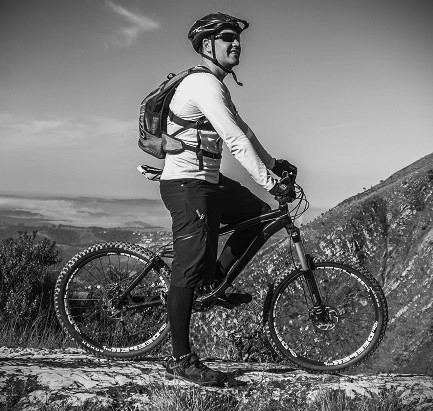
Welcome to outdoorxsports.com! I’m Russell, your guide to the awesome world of mountain biking. This blog is all about building a community of riders who love to share their passion for the sport. Expect inspiring stories, local trail recommendations, fun challenges, and tips for making the most of your time on two wheels.