
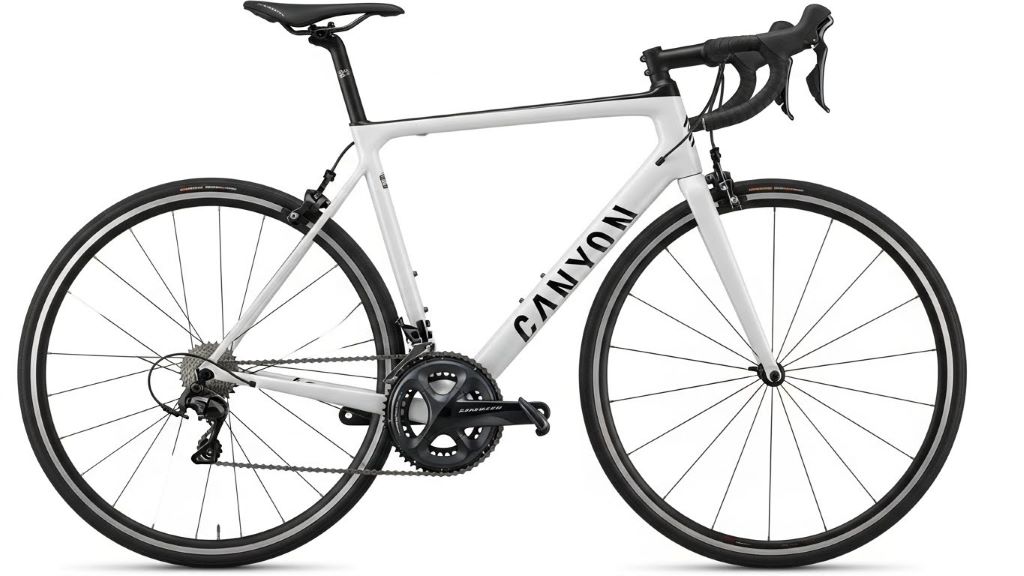
Choosing your first bike can feel overwhelming. Canyon bikes have become increasingly popular among new cyclists. However, understanding what makes them special helps you decide if they match your needs. This guide explores the advantages and disadvantages of Canyon bikes for beginners.
What Makes Canyon Bikes Different
Canyon operates as a direct-to-consumer brand. This means they skip traditional bike shops entirely. Instead, they sell exclusively online and ship bikes straight to customers. This business model affects everything from pricing to customer service.
The German manufacturer has built a strong reputation since 1985. Professional cycling teams have used their bikes in major competitions. Additionally, they offer models for road cycling, mountain biking, and casual riding. Their range covers most cycling disciplines effectively.
Major Advantages for New Cyclists
Outstanding Value for Money
Canyon bikes typically cost less than comparable models from other brands. Direct sales eliminate middleman markups completely. Therefore, beginners get higher-quality components at lower prices. A Canyon bike with premium parts might match the price of an entry-level bike from traditional brands.
This pricing advantage matters significantly for beginners. New cyclists often hesitate to spend thousands on their first bike. Canyon makes quality cycling more accessible. Furthermore, the money saved can go toward essential accessories like helmets and lights.
High-Quality Components
Canyon equips their bikes with excellent parts right from the factory. Even their entry-level models feature reliable drivetrains and brakes. Many beginners appreciate not needing immediate upgrades. The components work smoothly and last longer than budget alternatives.
Professional designers engineer each bike carefully. They balance performance with comfort effectively. Additionally, Canyon updates their models regularly with current technology. This attention to detail shows in the riding experience.
Impressive Design and Engineering
Canyon bikes look sleek and modern. Their aesthetic appeal attracts many new riders. However, the design goes beyond appearances. Engineers optimize frame geometry for specific riding styles. This results in bikes that handle predictably and comfortably.
The integration of cables and components creates clean lines. Aerodynamic shapes reduce wind resistance noticeably. Moreover, the engineering ensures bikes remain lightweight without sacrificing strength. These features benefit beginners who want bikes that perform well from day one.
Wide Range of Options
Canyon offers something for every type of beginner. Road bikes suit fitness enthusiasts and commuters. Mountain bikes handle trails and rough terrain. Gravel bikes provide versatility for mixed surfaces. Additionally, they produce e-bikes for those wanting pedal assistance.
Each category includes multiple models at different price points. Beginners can find options matching their budget and riding goals. The variety prevents the need to compromise on bike type. Furthermore, detailed specifications help buyers make informed choices.
Notable Disadvantages to Consider
No Physical Test Rides
Buying online means you cannot test ride before purchasing. This creates uncertainty for beginners unfamiliar with bike sizing and fit. Traditional bike shops let customers try different models. Canyon provides sizing guides, but they require accurate measurements.
Some new cyclists feel anxious about committing without riding first. Bike fit significantly affects comfort and performance. However, Canyon does offer a return period. Still, returning a bike involves repackaging and shipping challenges.
Assembly Required
Canyon ships bikes partially assembled in boxes. Beginners must complete final assembly themselves. This includes attaching wheels, handlebars, and pedals. Additionally, brake and gear adjustments might be necessary. Some people find this intimidating without mechanical experience.
Professional assembly at local bike shops costs extra money. Therefore, the initial savings diminish somewhat. Instructions come with each bike, and online videos provide guidance. Nevertheless, first-time builders might struggle with certain steps.

Limited In-Person Support
Canyon provides customer service through phone and email channels. However, they lack physical stores for hands-on help. Traditional bike shops offer face-to-face assistance and quick solutions. Beginners often have many questions during their first cycling months.
Mechanical issues require either self-repair or finding local bike shops. Not all shops eagerly service bikes they did not sell. This can create frustration when problems arise. Additionally, warranty claims involve shipping bikes back to Canyon.
Longer Wait Times
Popular Canyon models sometimes sell out quickly. Restocking can take weeks or months. Additionally, shipping times vary depending on location. Beginners eager to start riding might wait longer than expected.
Seasonal demand affects availability significantly. Spring and summer see increased orders and potential delays. Therefore, planning ahead becomes necessary. Traditional retailers often have bikes available for immediate purchase.
Resale Challenges
Canyon bikes hold value reasonably well. However, selling them later might prove harder than mainstream brands. Local buyers often prefer bikes they can see and test. Additionally, some cyclists remain unfamiliar with the Canyon brand.
Online marketplaces expand potential buyers significantly. Still, shipping complications can deter interested parties. Traditional brands benefit from stronger name recognition in used markets. This consideration matters for beginners who might upgrade eventually.
Making the Right Decision
Canyon bikes suit beginners who value performance and affordability. They work best for self-sufficient individuals comfortable with basic mechanics. Additionally, buyers who research thoroughly and measure carefully find great success.
Traditional bike shops serve beginners wanting personalized guidance and immediate support. They provide valuable expertise for first-time buyers. However, this convenience costs more money upfront. Each approach has distinct merits depending on personal preferences.
According to cycling industry analysis from Bicycling Magazine, direct-to-consumer brands have transformed bike purchasing. They force traditional retailers to compete on value and service. Furthermore, resources like Consumer Reports emphasize the importance of proper bike fit regardless of purchase method.
Conclusion
Canyon bikes offer exceptional value and quality for beginners. Their direct sales model reduces costs while maintaining high standards. Advanced engineering and attractive designs appeal to new cyclists. However, the online-only approach presents challenges including no test rides and self-assembly requirements.
Beginners comfortable with online shopping and basic mechanical work find Canyon bikes rewarding. Those preferring hands-on guidance might benefit from traditional retailers initially. Ultimately, Canyon provides a compelling option for price-conscious cyclists willing to navigate the direct-to-consumer experience. Weighing these pros and cons against personal needs leads to confident purchasing decisions.
Frequently Asked Questions
Are Canyon bikes good quality for the price?
Yes, Canyon bikes deliver excellent quality relative to their cost. The direct-to-consumer model eliminates retail markups, allowing higher-end components at lower prices. Many professional cyclists use Canyon bikes in competitions, demonstrating their reliability and performance capabilities.
How difficult is it to assemble a Canyon bike?
Assembly difficulty varies by mechanical experience. Basic tasks like attaching wheels and handlebars are straightforward. However, brake and gear adjustments require more attention. Canyon provides detailed instructions and video tutorials. Complete beginners might prefer professional assembly at local bike shops.
Can I return a Canyon bike if it does not fit properly?
Canyon offers a return policy, typically within 30 days of delivery. The bike must remain in good condition with original packaging. Customers pay return shipping costs. Ensuring accurate measurements before ordering minimizes fit issues. Their sizing guides help determine the correct frame size.
Where can I get my Canyon bike serviced?
Local bike shops can service Canyon bikes just like any other brand. Some shops charge higher rates for bikes purchased elsewhere. Building a relationship with a reliable shop helps. Additionally, Canyon provides technical support for troubleshooting. Warranty issues require contacting Canyon directly.
How long does Canyon bike delivery take?
Delivery times depend on model availability and shipping location. In-stock bikes typically ship within a few days. Custom builds or popular models may require several weeks. International shipping adds extra time. Checking stock status before ordering provides realistic expectations.
Related Topics:
Affordable Gravel Bikes 2025 – Best Options Under $1000
Specialized Bikes: Your Ultimate Guide to Urban Trail Riding

Welcome to outdoorxsports.com! I’m Russell, your guide to the awesome world of mountain biking. This blog is all about building a community of riders who love to share their passion for the sport. Expect inspiring stories, local trail recommendations, fun challenges, and tips for making the most of your time on two wheels.