
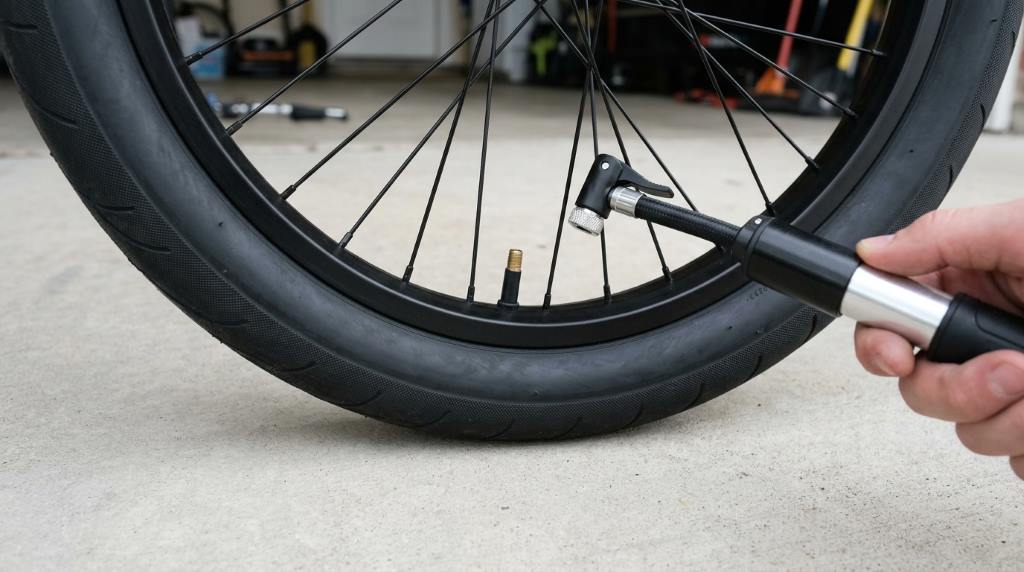
Keeping your BMX bike tires properly inflated is key to a smooth and safe ride. Studies show that underinflated tires can increase rolling resistance by up to 20 percent. This makes pedaling harder and reduces control. A reliable BMX Bike Pump ensures your tires stay at the right pressure for peak performance. Whether you ride on streets or trails, knowing how to use your pump correctly saves time and effort.
Many riders overlook the importance of regular tire checks. Experts recommend checking tire pressure at least once a week. This habit extends tire life and improves handling. With the right tools and steps, inflating your tires becomes a quick and easy task.
Why Proper Tire Inflation Matters for BMX Bikes
Proper tire inflation enhances speed and control on a BMX bike. Low pressure causes the tire to deform under weight. This leads to slower speeds and a higher risk of punctures. Riding with the correct pressure also improves traction on different surfaces.
Overinflated tires can be just as problematic as underinflated ones. They reduce grip and make the ride uncomfortable. The right pressure depends on the tire size and rider weight. Always check the recommended PSI range printed on the tire sidewall.
Types of BMX Bike Pumps You Can Use
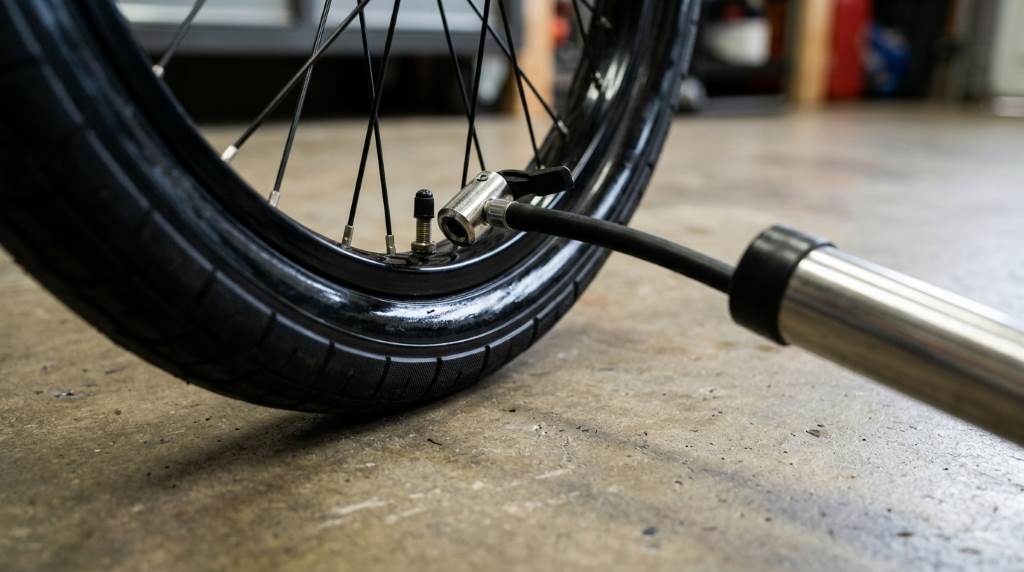
There are several types of pumps suitable for BMX bikes. Floor pumps are stable and easy to use for high-pressure tires. Hand pumps are portable and great for on-the-go inflation. CO2 inflators provide quick inflation but require cartridges.
Mini pumps are compact and fit in a backpack or bike frame. They are ideal for emergencies but may require more effort. Choose a pump that matches your valve type, either Schrader or Presta. Most BMX bikes use Schrader valves, which are wider and more common.
Tools and Materials You Will Need
- BMX bike pump (floor, hand, or mini)
- Tire pressure gauge (if not built into the pump)
- Bike tire valve adapter (if needed)
- Tire pressure recommendations from the manufacturer
Having a pressure gauge ensures accuracy. Many pumps come with built-in gauges. If not, a separate gauge is a worthwhile investment. Adapters may be necessary for Presta valves if your pump is designed for Schrader.
Step-by-Step Guide to Inflating Your BMX Tires
Step 1: Check Current Tire Pressure
Start by checking the current pressure in your tires. Use a pressure gauge for an accurate reading. Compare the reading to the recommended PSI range on the tire sidewall. This step helps you determine how much air to add.
If you do not have a gauge, press the tire with your thumb. A properly inflated tire should feel firm and not give much under pressure. This method is less precise but useful in a pinch.
Step 2: Prepare the Pump and Valve
Attach the pump head to the tire valve. Ensure it is secure to prevent air leaks. For Presta valves, unscrew the small cap at the top before attaching the pump. Schrader valves do not require this step.
If your pump has a lever, flip it to the locked position. This creates a tight seal between the pump and valve. A loose connection can lead to air escaping during inflation.
Step 3: Inflate the Tire to the Desired Pressure
Begin pumping air into the tire. Use smooth, steady strokes for even inflation. Check the pressure frequently with the gauge to avoid overinflating. Stop when you reach the recommended PSI.
If you are using a hand pump, it may take more strokes to reach the desired pressure. Floor pumps are more efficient for higher pressures. Take breaks if needed to avoid strain.
Step 4: Detach the Pump and Secure the Valve
Once the tire is inflated, detach the pump head from the valve. For Presta valves, screw the small cap back on to protect it. Give the tire a quick squeeze to confirm it feels firm.
Repeat the process for the second tire. Consistency in pressure between both tires ensures balanced handling. This is especially important for BMX tricks and jumps.
Unique Tips for BMX Riders in Different Climates
Climate affects tire pressure more than many riders realize. In hot weather, air inside the tire expands, increasing pressure. Check and adjust pressure more often during summer months. This prevents overinflation and potential blowouts.
Cold weather causes air to contract, lowering tire pressure. In winter or colder regions, inflate tires slightly above the recommended PSI. This compensates for the drop in pressure as temperatures fall.
Humid climates can also impact tire performance. Moisture in the air may enter the tire through the valve. Use valve caps to minimize this effect and keep your tires in top condition.
Common Mistakes to Avoid When Inflating BMX Tires
One common mistake is ignoring the recommended PSI range. Exceeding the maximum pressure can damage the tire or cause it to burst. Staying within the range ensures safety and longevity.
Another mistake is not securing the pump head properly. A loose connection leads to air leaks and inefficient inflation. Always double-check the connection before starting.
Forgetting to check the pressure regularly is also a frequent oversight. Tires lose air naturally over time. Regular checks help maintain optimal performance and prevent unexpected flats.
Maintenance Tips for Your BMX Bike Pump
Clean your pump regularly to remove dirt and debris. This prevents damage to the internal mechanisms. Use a damp cloth for the exterior and a small brush for hard-to-reach areas.
Store your pump in a dry place to avoid rust and corrosion. If your pump has a hose, coil it neatly to prevent kinks. Proper storage extends the life of your pump.
Lubricate the pump’s moving parts occasionally to keep it working smoothly. Use a light machine oil for best results. This is especially important for floor pumps with large cylinders.
Safety Precautions to Keep in Mind
Always wear eye protection when inflating tires. In rare cases, tires or tubes can fail under pressure. Safety glasses protect your eyes from potential debris.
Never exceed the maximum pressure indicated on the tire sidewall. Overinflation can cause the tire to explode. This is dangerous and can lead to serious injury.
Keep your fingers away from the pump head and valve connection. Pinching can occur if the connection is not secure. This precaution prevents painful accidents.
Conclusion
Inflating your BMX bike tires with a pump is a simple but vital task. It ensures a safe, efficient, and enjoyable ride. Regular checks and proper techniques extend the life of your tires and pump.
Take the time to learn and follow these steps. Your bike will perform better, and you will ride with confidence. Share these tips with fellow riders to help them stay safe and prepared.
Ready to hit the streets or trails? Grab your BMX Bike Pump and keep your tires in top shape. Happy riding!
FAQ
How often should I check my BMX tire pressure?
Check your BMX tire pressure at least once a week for optimal performance and safety.
Can I use a car pump for my BMX bike tires?
Yes, you can use a car pump if it has a compatible valve adapter for your BMX bike.
What is the ideal PSI for BMX bike tires?
The ideal PSI is usually printed on the tire sidewall and ranges between 40 to 65 PSI for most BMX tires.
Why does my tire keep losing air?
Your tire may have a slow leak, a faulty valve, or a puncture that needs patching or replacement.
Is it safe to ride with slightly underinflated tires?
Riding with slightly underinflated tires reduces control and increases the risk of punctures and rim damage.
Welcome to outdoorxsports.com! I’m Russell, your guide to the awesome world of mountain biking. This blog is all about building a community of riders who love to share their passion for the sport. Expect inspiring stories, local trail recommendations, fun challenges, and tips for making the most of your time on two wheels.