
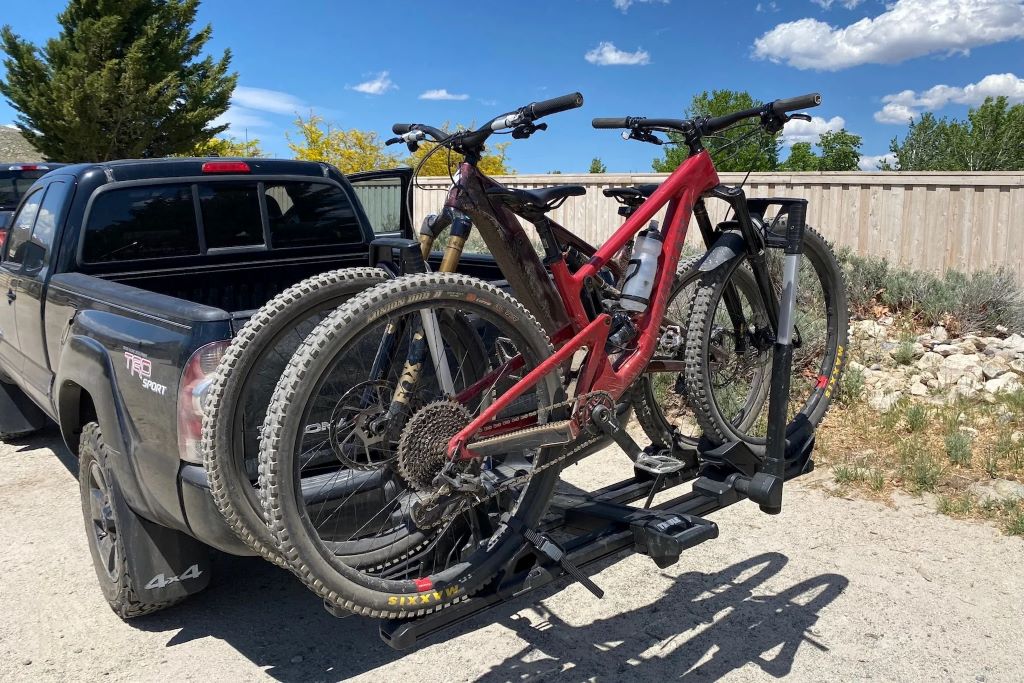
Transporting your bike safely and securely is essential for any cycling enthusiast. I still remember the first time I tried to transport my bike using a cheap, ill-fitting rack. Halfway through the trip, the bike shifted, the rack wobbled, and I spent the rest of the drive white-knuckling the steering wheel, praying my bike wouldn’t fall off. That experience taught me the hard way that not all bike racks are created equal. Investing in a quality hitch bike rack can make all the difference in ensuring your bike arrives at its destination in one piece.
A hitch bike rack is one of the most reliable ways to transport your bicycle. Unlike trunk or roof racks, hitch racks attach to your vehicle’s trailer hitch, providing a sturdy and secure platform for your bike. According to a survey by Outdoor Industry Association, over 60% of cyclists prefer hitch racks for their ease of use and stability. If you’re in the market for a bike rack, a reliable hitch bike rack can give you peace of mind and make your cycling adventures stress-free.
Why a Hitch Bike Rack Is the Best Choice for Safe Transport
Hitch bike racks offer several advantages over other types of bike racks, making them a popular choice among cyclists. One of the biggest benefits is their stability. Because they attach to your vehicle’s trailer hitch, they provide a secure and sturdy platform for your bike, reducing the risk of damage during transport. This is especially important for long trips or rough roads, where other types of racks may struggle to keep your bike in place.
Additionally, hitch bike racks are easy to use. Most models feature a simple hitch receiver that allows you to quickly and securely attach the rack to your vehicle. Once installed, you can load and unload your bike in minutes, without the hassle of lifting it onto the roof or struggling with straps and hooks. This ease of use makes hitch racks a great option for frequent cyclists or families with multiple bikes.
Another advantage of hitch bike racks is their capacity. Many models can carry multiple bikes, making them ideal for group rides or family outings. Some hitch racks can even accommodate up to four or five bikes, as well as additional gear like helmets, locks, or cargo boxes. This versatility makes them a practical choice for cyclists with varying needs.
Types of Hitch Bike Racks: Which One Is Right for You?
Hitch bike racks come in several types, each with its own advantages and drawbacks. Understanding the differences between them can help you choose the right rack for your needs.
1. Platform Hitch Racks
Platform hitch racks are the most popular type of hitch bike rack. They feature a flat platform where your bike sits, with adjustable arms or clamps to secure the wheels and frame. Platform racks are known for their stability and ease of use, as they require minimal lifting and provide a secure hold for your bike.
One of the biggest advantages of platform hitch racks is their versatility. They can accommodate a wide range of bike types, including road bikes, mountain bikes, and even fat-tire bikes. Additionally, many platform racks feature adjustable trays or arms, allowing you to customize the fit for your specific bike.
However, platform hitch racks can be more expensive than other types of racks, and they may take up more space on your vehicle. Additionally, some models require you to remove the front wheel of your bike, which can be a hassle for some users.
2. Hanging Hitch Racks
Hanging hitch racks, also known as mast-style racks, feature vertical posts where your bike hangs by its frame. These racks are typically more affordable and compact than platform racks, making them a good option for budget-conscious cyclists or those with limited storage space.
One of the biggest advantages of hanging hitch racks is their simplicity. They are easy to install and use, and they often weigh less than platform racks. Additionally, hanging racks can accommodate a variety of bike types, although they may not be as secure or stable as platform racks.
However, hanging hitch racks can be less user-friendly for bikes with unusual frame shapes, such as women’s bikes or full-suspension mountain bikes. Additionally, they may require more effort to load and unload your bike, as you’ll need to lift it higher off the ground.
3. Tray-Style Hitch Racks
Tray-style hitch racks are a hybrid between platform and hanging racks. They feature individual trays for each bike, which provide a stable and secure hold. Tray-style racks are known for their ease of use and versatility, as they can accommodate a wide range of bike types and sizes.
One of the biggest advantages of tray-style hitch racks is their stability. Because each bike sits in its own tray, there’s less risk of the bikes shifting or bumping into each other during transport. Additionally, many tray-style racks feature adjustable trays or arms, allowing you to customize the fit for your specific bike.
However, tray-style hitch racks can be more expensive than hanging racks, and they may take up more space on your vehicle. Additionally, some models require you to remove the front wheel of your bike, which can be a hassle for some users.
4. Swing-Away Hitch Racks
Swing-away hitch racks are designed to swing out of the way when not in use, providing easy access to your vehicle’s rear cargo area. These racks are ideal for SUVs, hatchbacks, or other vehicles where access to the rear is important.
One of the biggest advantages of swing-away hitch racks is their convenience. You can easily swing the rack out of the way to access your trunk or cargo area, without having to remove the rack entirely. Additionally, many swing-away racks feature a tilt mechanism, allowing you to tilt the rack down for easier loading and unloading.
However, swing-away hitch racks can be more expensive than other types of racks, and they may be heavier and bulkier. Additionally, the swing mechanism can add complexity to the installation and use of the rack.
Key Features to Look for in a Hitch Bike Rack
When choosing a hitch bike rack, there are several key features to consider to ensure you get the best fit for your needs. Here’s what to look for:
1. Hitch Size Compatibility
Hitch bike racks come in different sizes to fit various hitch receivers. The most common hitch sizes are 1.25 inches and 2 inches. Before buying a rack, check the size of your vehicle’s hitch receiver to ensure compatibility. Most hitch bike racks are designed to fit either a 1.25-inch or 2-inch receiver, but some models may require an adapter.
Additionally, consider the class of your hitch. Hitches are rated by their towing capacity, which is typically measured in pounds. Class I hitches have a towing capacity of up to 2,000 pounds, while Class II hitches can handle up to 3,500 pounds. Make sure your hitch can support the weight of the rack and your bikes.
2. Weight Capacity
The weight capacity of the rack is another critical factor. Most hitch bike racks can support between 30 and 60 pounds per bike, with a total capacity of up to 150 pounds or more. Consider the weight of your bike and any additional gear you plan to transport, such as helmets, locks, or cargo boxes.
Additionally, check the weight capacity of your vehicle’s hitch. The total weight of the rack and your bikes should not exceed the hitch’s rated capacity. Exceeding this limit can damage your vehicle or the rack, and it may also void your warranty.
3. Number of Bikes
Hitch bike racks come in a variety of configurations to accommodate different numbers of bikes. Most models can carry between one and five bikes, with some racks offering expandable options for additional bikes. Consider how many bikes you need to transport and choose a rack that can accommodate your needs.
Additionally, think about the spacing between the bikes. Some racks feature adjustable arms or trays, allowing you to customize the spacing to prevent the bikes from bumping into each other during transport. This can be especially important if you’re transporting bikes with different frame sizes or shapes.
4. Ease of Installation and Use
A hitch bike rack should be easy to install and use. Look for a model with a simple hitch receiver that allows you to quickly and securely attach the rack to your vehicle. Additionally, consider the ease of loading and unloading your bike. Some racks feature ramps or tilt mechanisms to make it easier to lift your bike onto the rack.
Additionally, check whether the rack requires any tools for installation or adjustment. Tool-free racks are more convenient and user-friendly, as they allow you to install and remove the rack without the hassle of carrying around additional tools.
5. Security Features
Security is an important consideration when choosing a hitch bike rack. Look for a model with features like locking hitch pins, cable locks, or integrated bike locks to deter theft and keep your bikes secure during transport.
Additionally, consider whether the rack has a built-in anti-wobble system. This feature helps reduce movement and vibration during transport, which can prevent damage to your bikes and the rack. Some racks also feature reflective accents or lights to improve visibility and safety during nighttime transport.
6. Durability and Build Quality
A hitch bike rack is an investment, so it’s important to choose a model that’s built to last. Look for a rack made from high-quality materials like steel or aluminum, which can withstand the rigors of frequent use and exposure to the elements.
Additionally, consider the finish of the rack. A powder-coated or rust-resistant finish can help protect the rack from corrosion and extend its lifespan. Some racks also feature reinforced hitch receivers or additional support bars for added stability and durability.
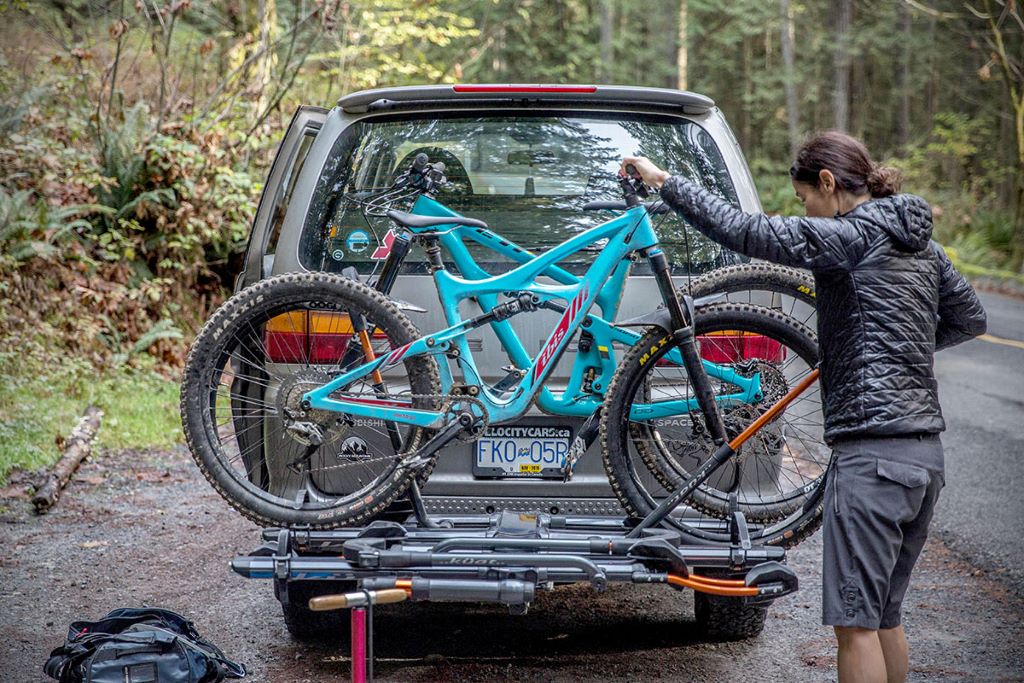
How to Install and Use a Hitch Bike Rack Safely
Installing and using a hitch bike rack safely is essential for protecting your bikes and your vehicle. Follow these steps to ensure a secure and hassle-free experience:
1. Read the Manual
Before installing your hitch bike rack, read the manufacturer’s manual carefully. This will provide specific instructions for your model, as well as important safety information. Pay attention to weight limits, hitch size compatibility, and any special installation or use requirements.
Additionally, familiarize yourself with the rack’s features and components. This will make it easier to install and use the rack correctly and safely.
2. Check Your Hitch and Vehicle
Before installing the rack, check your vehicle’s hitch and ensure it’s in good condition. Look for any signs of damage, rust, or wear that could affect the rack’s stability or security. Additionally, verify that your hitch is the correct size and class for the rack you’ve chosen.
If your vehicle doesn’t have a hitch, you’ll need to install one before using a hitch bike rack. Make sure to choose a hitch that’s compatible with your vehicle and the rack, and follow the manufacturer’s instructions for installation.
3. Install the Rack
To install the hitch bike rack, follow these general steps:
- Insert the rack’s hitch receiver into your vehicle’s hitch receiver.
- Secure the rack with the hitch pin or bolt provided with the rack. Make sure it’s tight and secure to prevent the rack from wobbling or coming loose during transport.
- If your rack features an anti-wobble system, engage it according to the manufacturer’s instructions.
- Double-check that the rack is level and stable before loading your bike.
Additionally, consider using a hitch lock or cable lock to secure the rack to your vehicle and deter theft.
4. Load Your Bike
When loading your bike onto the rack, follow these tips to ensure a secure fit:
- Lift your bike onto the rack carefully, using the ramps or tilt mechanism if available.
- Secure the bike’s frame to the rack using the provided clamps, straps, or arms. Make sure the bike is stable and cannot shift or wobble during transport.
- If your rack features wheel trays or cradles, ensure your bike’s wheels are securely seated in the trays.
- For hanging racks, hang your bike by its frame, making sure it’s balanced and secure.
Additionally, consider using additional straps or locks to secure your bike to the rack and prevent theft.
5. Check for Stability and Security
Before hitting the road, double-check that your bike and the rack are secure and stable. Give the bike a gentle shake to ensure it’s firmly attached to the rack. Additionally, check that the rack is securely attached to your vehicle’s hitch and that there’s no wobbling or movement.
If your rack features reflective accents or lights, make sure they’re visible and functioning properly. This will improve your visibility and safety during nighttime transport.
Common Mistakes to Avoid When Using a Hitch Bike Rack
Even with the best intentions, it’s easy to make mistakes when using a hitch bike rack. Here are some common pitfalls to avoid:
1. Exceeding Weight Limits
One of the most common mistakes is exceeding the weight limit of the rack or your vehicle’s hitch. This can damage your vehicle, the rack, or your bikes, and it may also void your warranty. Always check the weight capacity of your rack and hitch, and make sure the total weight of your bikes and gear doesn’t exceed these limits.
Additionally, consider the distribution of weight on the rack. Uneven weight distribution can cause the rack to wobble or become unstable during transport. Make sure your bikes are evenly spaced and balanced on the rack.
2. Improper Installation
Improper installation is another common issue that can lead to instability, damage, or even accidents. Always follow the manufacturer’s instructions for installing the rack, and make sure it’s securely attached to your vehicle’s hitch. Additionally, double-check that the hitch pin or bolt is tight and secure to prevent the rack from coming loose during transport.
If you’re unsure about the installation process, consider seeking help from a professional or watching tutorial videos online.
3. Not Securing Your Bikes Properly
Failing to secure your bikes properly can result in damage to your bikes, the rack, or other vehicles on the road. Always use the provided clamps, straps, or arms to secure your bikes to the rack, and make sure they’re tight and stable. Additionally, consider using additional straps or locks to prevent your bikes from shifting or falling off during transport.
If your bikes have unusual frame shapes or sizes, make sure the rack can accommodate them securely. Some racks may require additional adapters or accessories for certain bike types.
4. Ignoring the Rack’s Maintenance
Like any other piece of equipment, a hitch bike rack requires regular maintenance to ensure its longevity and performance. Neglecting to clean and lubricate the rack can lead to rust, corrosion, or mechanical issues over time.
Additionally, check the rack’s components regularly for signs of wear or damage. This includes the hitch receiver, arms, clamps, and any locking mechanisms. Replace any damaged or worn parts as needed to ensure the rack remains safe and secure.
5. Forgetting to Remove the Rack When Not in Use
Leaving your hitch bike rack installed when not in use can lead to several issues. It can reduce your vehicle’s fuel efficiency, create unnecessary wear and tear on the rack, and even pose a safety hazard if the rack becomes damaged or detached while driving.
Additionally, an unused rack can be a target for theft or vandalism. To avoid these issues, remove the rack from your vehicle when it’s not in use and store it in a safe, dry place.
Tips for Maintaining Your Hitch Bike Rack
Proper maintenance can extend the life of your hitch bike rack and ensure it remains safe and functional. Here are some tips to keep your rack in top condition:
1. Clean Regularly
Dirt, grime, and road salt can accumulate on your hitch bike rack over time, leading to rust and corrosion. Clean your rack regularly with a mild soap and water solution, and dry it thoroughly afterward. Avoid using harsh chemicals or abrasive materials, as they can damage the rack’s finish or components.
Additionally, pay special attention to the hitch receiver and any moving parts, as these areas are particularly prone to buildup and wear.
2. Lubricate Moving Parts
If your hitch bike rack has moving parts, such as tilt mechanisms or adjustable arms, lubricate them regularly to ensure smooth operation. Use a high-quality lubricant designed for outdoor use, and follow the manufacturer’s recommendations for application.
Additionally, check the rack’s hitch receiver and pin for signs of wear or corrosion. Lubricate these components as needed to prevent them from seizing or becoming difficult to remove.
3. Inspect for Damage
Regularly inspect your hitch bike rack for signs of damage, such as cracks, bends, or rust. Pay special attention to the hitch receiver, arms, clamps, and any locking mechanisms. If you notice any damage, replace the affected parts or contact the manufacturer for repairs.
Additionally, check the rack’s straps, cables, and other accessories for signs of wear or fraying. Replace any damaged or worn components to ensure the rack remains secure and safe.
4. Store Properly
When not in use, store your hitch bike rack in a cool, dry place to protect it from the elements. Avoid exposing the rack to extreme temperatures, moisture, or direct sunlight, as these can cause damage or degradation over time.
Additionally, consider using a protective cover or bag to shield the rack from dust, dirt, and scratches during storage. This can help extend the rack’s lifespan and keep it looking and functioning like new.
5. Follow the Manufacturer’s Guidelines
Always follow the manufacturer’s guidelines for using, maintaining, and storing your hitch bike rack. This includes adhering to weight limits, using the rack only for its intended purpose, and following any specific maintenance or care instructions.
Additionally, keep the user manual handy for reference, and don’t hesitate to contact the manufacturer if you have any questions or concerns about your rack.
The Future of Hitch Bike Racks: Trends to Watch
Hitch bike racks are evolving rapidly, with new technologies and features emerging all the time. Here are some trends to watch in the coming years:
1. Lightweight and Compact Designs
Manufacturers are continuously working to make hitch bike racks lighter and more compact without sacrificing strength or durability. This trend is driven by the growing demand for racks that are easier to install, store, and transport. Expect to see more models made from advanced materials like aluminum or carbon fiber, which offer a high strength-to-weight ratio.
Additionally, some companies are exploring modular designs that allow you to customize the rack’s configuration based on your specific needs. This can include adjustable arms, expandable trays, or detachable components.
2. Improved Security Features
Security is a major concern for cyclists, and manufacturers are responding with innovative features to deter theft and keep bikes safe. Expect to see more hitch bike racks with built-in locks, cable locks, or even GPS tracking systems. Some models may also feature alarm systems or motion sensors that alert you if someone tries to tamper with your rack or bikes.
Additionally, some companies are developing smart locks that can be controlled via a smartphone app. These locks can provide added convenience and security, allowing you to monitor and manage your rack remotely.
3. Enhanced User-Friendliness
Ease of use is a top priority for many cyclists, and manufacturers are focusing on making hitch bike racks more user-friendly. Expect to see more models with tool-free installation, quick-release mechanisms, and intuitive adjustment systems. Some racks may also feature built-in ramps or tilt mechanisms to make loading and unloading your bike easier.
Additionally, some companies are developing racks with universal compatibility, allowing them to fit a wide range of hitch sizes and bike types. This can make it easier to find a rack that works for your specific needs.
4. Eco-Friendly Materials
As environmental concerns grow, more manufacturers are turning to eco-friendly materials for their hitch bike racks. Expect to see more options made from recycled or sustainable materials, such as recycled aluminum or biodegradable plastics. Additionally, some companies are focusing on reducing the carbon footprint of their products by using energy-efficient manufacturing processes and minimizing packaging waste.
This trend is likely to continue as consumers demand more environmentally responsible products.
5. Integration with Smart Technology
Smart technology is making its way into hitch bike racks, with some models now featuring Bluetooth connectivity, LED lights, or even solar-powered charging. Expect to see more racks with advanced features like automatic locking, remote monitoring, or integration with smartphone apps.
Additionally, some companies are exploring the use of sensors to monitor the rack’s stability, weight distribution, or even the condition of your bikes during transport. This can provide added peace of mind and help you address any issues before they become serious problems.
Conclusion
A hitch bike rack is a game-changer for anyone who loves cycling and wants to transport their bike safely and securely. By choosing the right type of rack, prioritizing key features, and following best practices for installation and use, you can enjoy peace of mind and focus on the ride ahead. Whether you’re a casual cyclist, a weekend warrior, or a serious roadie, a quality hitch bike rack can make your cycling adventures easier and more enjoyable.
Remember, the best hitch bike rack is the one that fits your specific needs, vehicle, and budget. Take your time, do your research, and don’t be afraid to ask for recommendations or read reviews from other cyclists. With the right rack, you can hit the road with confidence, knowing your bike is secure and ready for the next adventure.
Have you used a hitch bike rack for your cycling adventures? Share your experiences, tips, or favorite models in the comments below! If you found this article helpful, don’t forget to share it with your fellow cyclists. Happy riding!
FAQs
What is a hitch bike rack?
A hitch bike rack is a device that attaches to your vehicle’s trailer hitch, providing a secure and stable platform for transporting your bike. It allows you to carry your bike without lifting it onto the roof or trunk of your vehicle.
How do I know if my vehicle is compatible with a hitch bike rack?
Check your vehicle’s hitch receiver size and class. Most hitch bike racks are designed to fit either a 1.25-inch or 2-inch receiver. Additionally, ensure your hitch can support the weight of the rack and your bikes.
Can I transport multiple bikes with a hitch bike rack?
Yes, many hitch bike racks can accommodate multiple bikes, typically between one and five. Check the rack’s weight capacity and spacing to ensure it can handle the number and type of bikes you plan to transport.
Are hitch bike racks secure?
Hitch bike racks are generally secure, but it’s important to use the provided locking mechanisms and follow the manufacturer’s instructions for installation and use. Additionally, consider using additional locks or cables to deter theft.
How do I maintain my hitch bike rack?
Clean your rack regularly with mild soap and water, lubricate moving parts, and inspect for damage. Store the rack in a cool, dry place when not in use, and follow the manufacturer’s guidelines for maintenance and care.

Welcome to outdoorxsports.com! I’m Russell, your guide to the awesome world of mountain biking. This blog is all about building a community of riders who love to share their passion for the sport. Expect inspiring stories, local trail recommendations, fun challenges, and tips for making the most of your time on two wheels.