
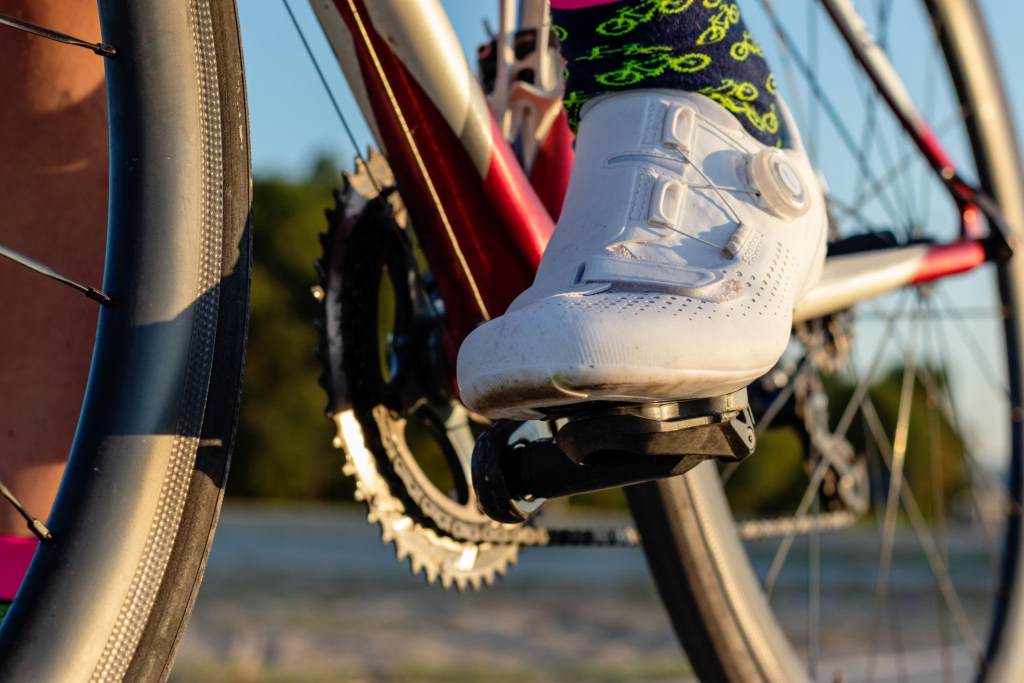
Choosing the right cycling shoe can completely change your riding experience. A well fitted shoe improves power transfer, reduces fatigue, and keeps your feet comfortable on long rides. According to research from the American College of Sports Medicine, proper footwear can improve efficiency and reduce injury risk during repetitive activities like cycling. Another study from the National Institutes of Health highlights that foot support plays a major role in endurance performance.
In simple terms, the right cycling shoe is not just gear. It is a performance tool. In this guide, you will learn exactly how to choose the best cycling shoe for comfort, performance, and durability without confusion.
Why Cycling Shoes Matter More Than You Think
Cycling shoes are very different from regular sneakers. They are designed to connect your foot directly to the pedal system. This creates a more stable and efficient movement.
Here is why they matter:
- They improve pedaling efficiency by reducing energy loss
- They provide better foot stability during long rides
- They reduce pressure points and discomfort
- They support proper posture and alignment
As a result, even beginner riders can notice a clear difference in performance and comfort.
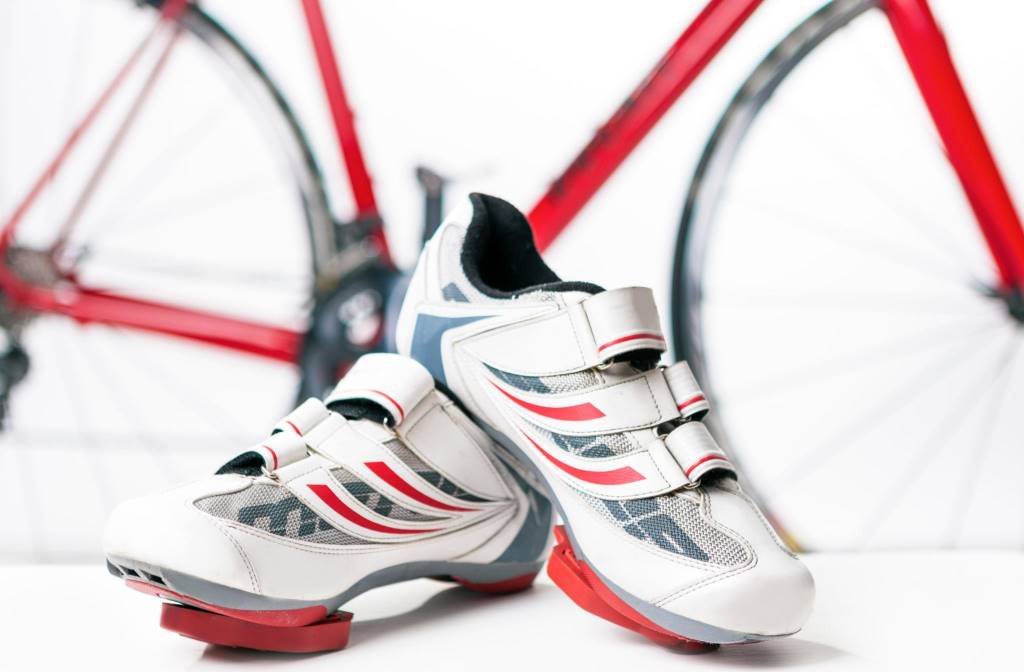
Types of Cycling Shoes
Before choosing a shoe, you need to understand the main types available. Each type suits a different riding style.
Road Cycling Shoes
These shoes are lightweight and stiff. They focus on speed and efficiency.
Key features include:
- Smooth soles with minimal tread
- Three bolt cleat systems
- Maximum power transfer
They are ideal for long distance road cycling and racing.
Mountain Bike Shoes
These shoes are more rugged and versatile.
They offer:
- Two bolt cleat systems
- Grip friendly soles for walking
- Durable construction for rough terrain
They work best for trails, gravel, and off road cycling.
Indoor Cycling Shoes
These are commonly used for spin classes or stationary bikes.
They usually have:
- Breathable materials
- Compatibility with both cleat types
- Comfort focused design
They are perfect for gym use and indoor workouts.
How to Choose the Right Fit
Fit is the most important factor when selecting cycling shoes. A poor fit can lead to pain, numbness, and reduced performance.
Key Fit Guidelines
Follow these simple rules:
- Your toes should have slight room to move
- The heel must stay secure without slipping
- The shoe should feel snug but not tight
- Avoid pressure points or hotspots
Also, try shoes later in the day when your feet are slightly swollen. This gives a more accurate fit.
Understanding Sole Stiffness
Sole stiffness directly affects performance.
- Stiffer soles improve power transfer
- Softer soles increase comfort
For beginners, a medium stiff sole works best. Advanced riders often prefer very stiff soles for maximum efficiency.
Closure Systems Explained
Cycling shoes use different closure systems. Each one offers a unique feel.
Common Options
- Velcro straps: Simple and quick
- Dial systems: Precise adjustment and secure fit
- Laces: Comfortable and evenly distributed pressure
Most modern shoes combine these systems for better performance.
Breathability and Comfort
Comfort becomes critical during long rides. Shoes that trap heat can cause discomfort quickly.
Look for these features:
- Mesh panels for airflow
- Ventilation holes in the sole
- Moisture wicking inner lining
Additionally, breathable shoes help prevent blisters and overheating.
Durability Factors to Consider
Durability ensures your investment lasts longer. High quality materials make a big difference.
Important Durability Features
- Reinforced toe and heel areas
- Strong stitching and bonding
- High quality synthetic or leather uppers
- Durable outsoles for walking
If you ride frequently, durability becomes even more important.
Cleat Compatibility
Cycling shoes must match your pedal system.
Common Systems
- Two bolt system for mountain and indoor cycling
- Three bolt system for road cycling
Always check compatibility before buying. Mismatched cleats can affect performance and safety.
Weight and Performance
Lightweight shoes improve efficiency, especially during climbs.
However, do not sacrifice comfort for weight. A slightly heavier shoe that fits well will always perform better.
Arch Support and Foot Shape
Every rider has a different foot shape. Some have flat feet, while others have high arches.
Tips for Better Support
- Choose shoes with adjustable insoles
- Consider custom orthotics if needed
- Look for arch support that matches your foot
Proper support reduces fatigue and improves comfort during long rides.
Seasonal Considerations
Weather plays a role in choosing the right cycling shoe.
For Hot Weather
- Choose highly breathable shoes
- Look for lightweight materials
For Cold Weather
- Use insulated or thermal shoes
- Consider overshoes for extra warmth
Adapting to weather improves both comfort and performance.
Common Mistakes to Avoid
Many riders make simple mistakes when buying cycling shoes.
Avoid these:
- Choosing style over fit
- Ignoring cleat compatibility
- Buying shoes that are too tight
- Skipping proper testing before purchase
Making the right choice early saves time and discomfort later.
Real World Example
A recreational cyclist switched from regular sneakers to proper cycling shoes. Within weeks, they noticed:
- Less foot fatigue
- Better pedaling efficiency
- Improved ride duration
This shows how the right footwear can transform your cycling experience.
Conclusion
Choosing the best cycling shoe for comfort, performance, and durability is not complicated when you know what to look for. Focus on fit first, then consider stiffness, breathability, and compatibility. Always choose a shoe that matches your riding style and environment.
Take action today. Try different options, test the fit carefully, and invest in a pair that supports your riding goals.
FAQs
What is the most important factor when choosing cycling shoes?
Fit is the most important factor. A well fitted shoe improves comfort and performance while preventing injuries.
Are expensive cycling shoes always better?
Not always. The best shoe is the one that fits well and suits your riding style.
How tight should cycling shoes be?
They should feel snug but not restrictive. Your toes should still have slight movement.
Can I walk in cycling shoes?
Yes, especially mountain bike shoes. Road shoes are less comfortable for walking.
How long do cycling shoes last?
It depends on usage and quality. With proper care, they can last several years.

Welcome to outdoorxsports.com! I’m Russell, your guide to the awesome world of mountain biking. This blog is all about building a community of riders who love to share their passion for the sport. Expect inspiring stories, local trail recommendations, fun challenges, and tips for making the most of your time on two wheels.