
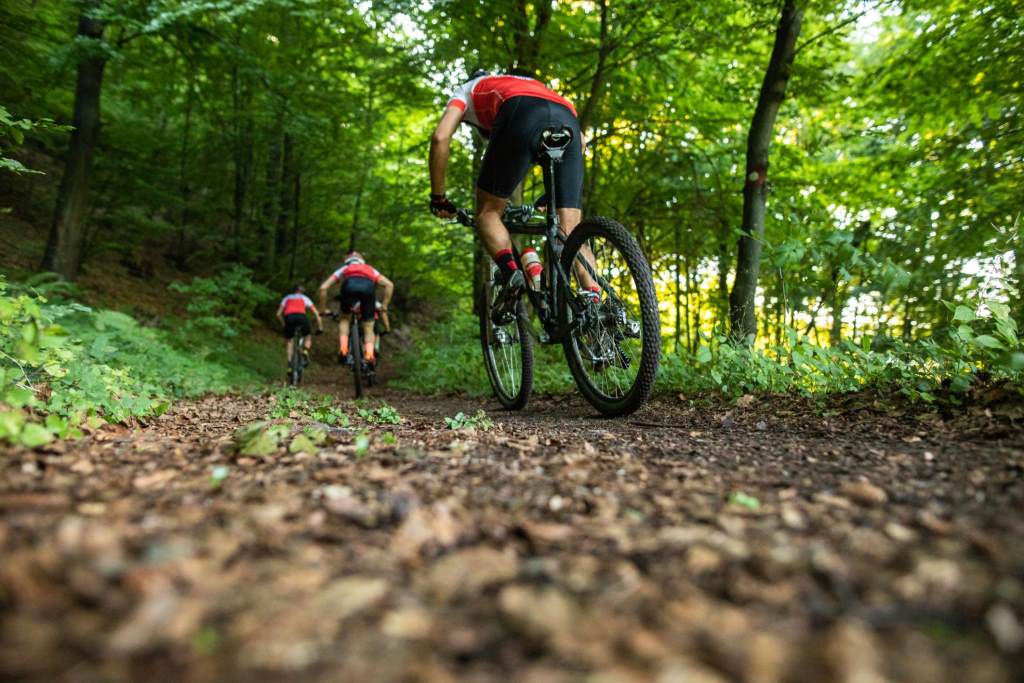
Choosing the right mountain bike can feel overwhelming, especially with rapid innovation shaping the cycling world in 2026. Riders today expect more comfort, better control, and smarter technology. According to research from the Outdoor Industry Association, over 50 million Americans participate in cycling each year, with mountain biking gaining steady growth. Meanwhile, studies from transportation agencies show that off road cycling improves cardiovascular health and mental well being significantly.
This guide breaks everything about mountain bike 2026 down in simple terms. You will learn what matters, what is new, and how to pick a bike that truly fits your riding style and goals.
Understanding Mountain Bike Types
Before you choose a bike, you need to understand the main categories. Each type serves a specific purpose, and selecting the wrong one can limit your riding experience.
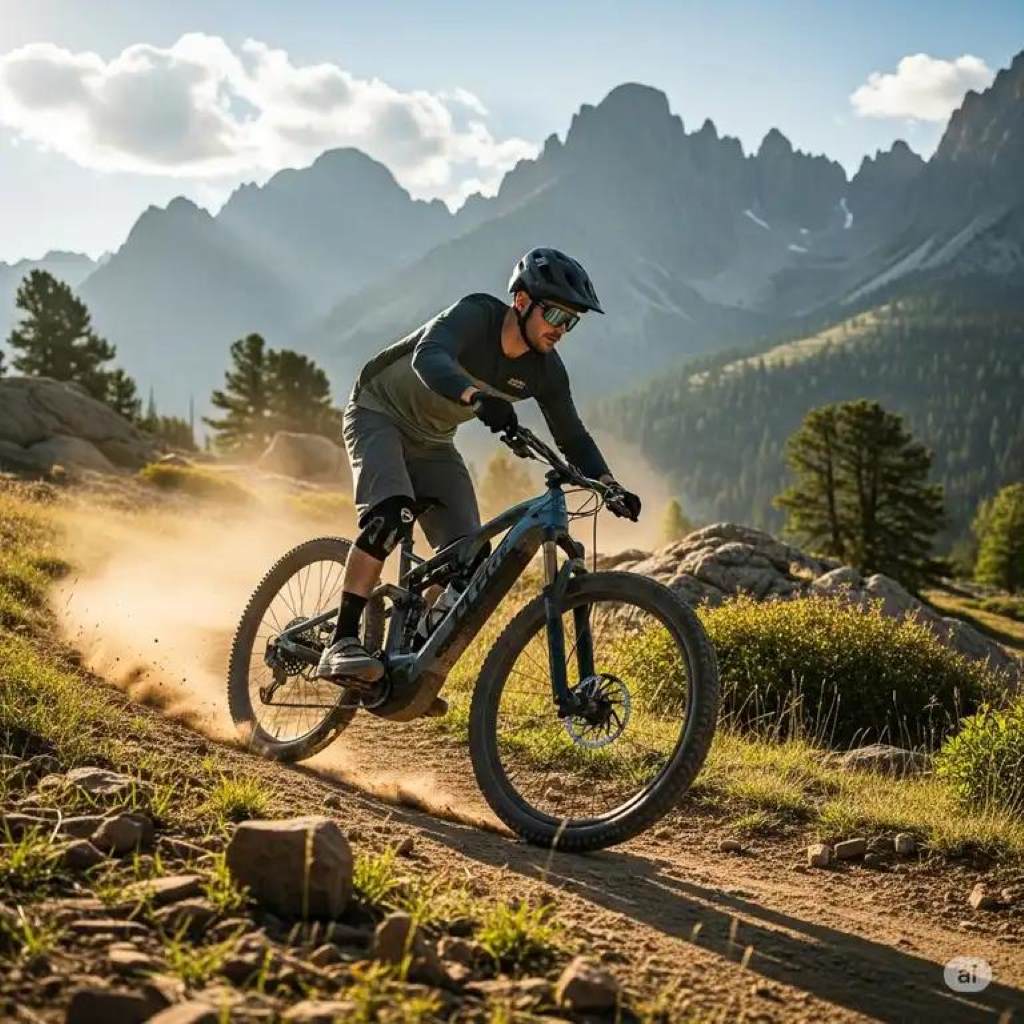
Cross Country Bikes
These bikes are light and fast. Riders use them for long distance trails and racing. They climb hills efficiently and feel responsive on smoother terrain.
Best for:
- Fitness riders
- Long distance cycling
- Smooth trails
Trail Bikes
Trail bikes offer balance. They handle climbs well and stay stable on descents. Most riders choose this category because it works in many conditions.
Best for:
- Beginners and intermediate riders
- Mixed terrain
- Everyday riding
Enduro Bikes
Enduro bikes focus on downhill performance but still climb effectively. They are heavier but offer more suspension and control.
Best for:
- Technical trails
- Steep descents
- Aggressive riders
Downhill Bikes
These bikes are built only for descending. They feature heavy frames and maximum suspension.
Best for:
- Bike parks
- Professional downhill riding
Key Features to Look for in 2026
Technology continues to reshape mountain bikes. Understanding these features helps you make a smarter decision.
Frame Material
The frame defines strength and weight.
Common options include:
- Aluminum: durable and affordable
- Carbon fiber: lightweight and high performance
- Steel: strong and comfortable but heavier
Carbon frames dominate in 2026 because they balance weight and strength effectively.
Suspension Systems
Suspension affects comfort and control.
Types include:
- Hardtail: front suspension only
- Full suspension: front and rear suspension
Full suspension bikes are now more efficient than ever, making them popular for most riders.
Wheel Size
Wheel size impacts speed and stability.
Options include:
- 5 inches: agile and responsive
- 29 inches: faster and smoother over obstacles
Many riders now prefer 29 inch wheels for better rollover capability.
Drivetrain and Gearing
Modern bikes use simpler drivetrains with fewer gears but wider range.
Look for:
- Single chainring systems
- Wide range cassettes
This setup reduces maintenance and improves reliability.
Latest Mountain Bike Trends in 2026
Innovation continues to push the limits of performance and comfort.
Smart Integration
Some bikes now include built in sensors that track performance, speed, and terrain data. This helps riders improve over time.
Electric Assist Mountain Bikes
Electric mountain bikes continue to rise in popularity. They provide pedal assistance, making climbs easier and longer rides possible.
Geometry Improvements
Modern bike geometry focuses on stability and control. Longer frames and slacker head angles improve downhill confidence.
Sustainable Manufacturing
Brands now use eco friendly materials and production methods. This trend reflects growing environmental awareness among riders.
How to Choose the Right Size
Bike size directly affects comfort and safety. A poorly sized bike can lead to fatigue and injury.
Key Factors
- Rider height
- Inseam length
- Reach and stack measurements
Simple Sizing Tip
When standing over the bike, you should have a small gap between your body and the frame. Additionally, your arms should feel slightly bent when holding the handlebars.
Why Fit Matters
Proper fit improves:
- Control
- Efficiency
- Confidence on trails
Matching the Bike to Your Riding Style
Not every rider needs the same bike. Your riding habits should guide your choice.
Casual Riders
Choose a trail bike with moderate suspension. It offers comfort and versatility.
Adventure Riders
Look for durability and long travel suspension. You need a bike that handles rough terrain.
Competitive Riders
Focus on weight, efficiency, and performance features.
Weekend Riders
Comfort and ease of use matter more than advanced features.
Essential Components Explained
Understanding components helps you avoid confusion while shopping.
Brakes
Hydraulic disc brakes dominate the market. They provide strong stopping power in all conditions.
Tires
Tires affect grip and speed.
Consider:
- Wider tires for better traction
- Narrower tires for speed
Handlebars and Stem
Wider handlebars improve stability. Shorter stems enhance control.
Seat and Comfort
A comfortable saddle improves long rides. Many modern bikes offer adjustable seat posts for better positioning.
Common Mistakes to Avoid
Many buyers make simple mistakes that affect their riding experience.
Avoid these issues:
- Choosing style over function
- Ignoring proper sizing
- Overlooking suspension needs
- Buying without test riding
Instead, focus on comfort, performance, and long term usability.
Practical Buying Checklist
Use this checklist before making your final decision:
- Define your riding style
- Choose the correct bike type
- Check frame material
- Evaluate suspension system
- Confirm proper size
- Test ride if possible
- Compare features carefully
This process ensures you make a confident and informed choice.
Maintenance Tips for Long Term Value
A well maintained bike performs better and lasts longer.
Basic Maintenance Tasks
- Clean your bike regularly
- Lubricate the chain
- Check tire pressure
- Inspect brakes
Why Maintenance Matters
Regular care improves safety and performance. It also prevents costly repairs later.
Conclusion
Choosing the best mountain bike in 2026 does not need to feel complicated. Focus on your riding style, understand key features, and pay attention to fit and comfort. Technology continues to improve bikes, but the right choice always depends on your needs. Take time to test options and learn what feels right.
Start exploring your options today and choose a bike that helps you ride better, safer, and longer.
FAQs
What is the best type of mountain bike for beginners?
Trail bikes work best for beginners because they balance comfort, control, and versatility.
Are electric mountain bikes worth it?
Yes, they help riders tackle longer distances and steep climbs with less effort.
How often should I maintain my mountain bike?
Basic maintenance should happen after every few rides, while deeper checks should occur monthly.
What wheel size is best for trails?
29 inch wheels provide better stability and smoother riding on rough terrain.
How do I know if a bike fits me correctly?
A proper fit allows slight bend in arms and a comfortable standing position over the frame.
Welcome to outdoorxsports.com! I’m Russell, your guide to the awesome world of mountain biking. This blog is all about building a community of riders who love to share their passion for the sport. Expect inspiring stories, local trail recommendations, fun challenges, and tips for making the most of your time on two wheels.