
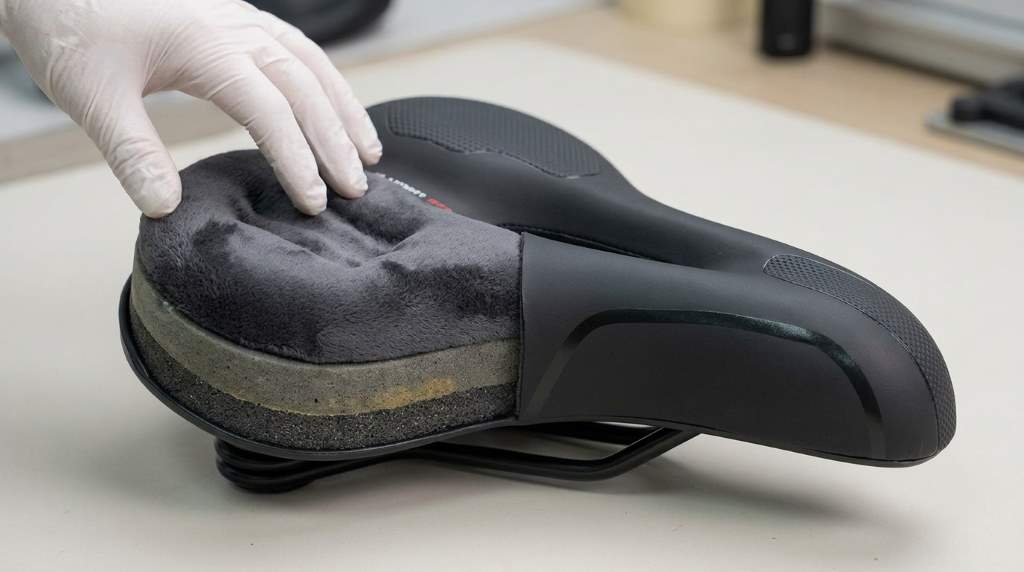
Yes, the Lcymd comfortable bike seat cushion can make everyday rides noticeably easier on your sit bones. Its appeal comes from added cushioning, broader support, and a more forgiving contact surface. Even a 30-minute ride can expose poor saddle pressure when your current seat lacks adequate support. Moreover, choosing the right cushion involves fit, stability, ventilation, and riding position, not softness alone. That makes the Lcymd comfortable bike seat cushion worth considering for riders seeking practical comfort without immediately replacing their bicycle seat.
Why Bike Seat Comfort Matters More Than Softness
A comfortable saddle should distribute pressure instead of concentrating it around sensitive contact points. Therefore, extra padding helps only when it supports your riding position correctly.
Many riders initially choose the softest available cushion, expecting immediate relief. However, excessive softness can allow your pelvis to sink and reduce stable support during longer rides.
A better cushion balances padding with structure, width, stability, and pressure distribution. Those factors matter especially when you ride recreationally, commute regularly, or spend extended periods cycling.

Pressure Distribution Is the Real Advantage
Your sit bones carry much of your seated cycling load. Consequently, a suitable cushion should support those areas while limiting uncomfortable pressure elsewhere.
When a saddle feels harsh, riders often shift constantly to escape pressure. That movement can create friction, disrupt pedaling, and make an otherwise enjoyable ride feel exhausting.
The right cushion encourages a more stable position. As a result, you can concentrate on pedaling rather than repeatedly adjusting your seating position.
What Makes the Lcymd Cushion Worth Considering
The Lcymd cushion targets one of cycling’s simplest problems: uncomfortable saddle contact. Instead of accepting discomfort, riders can add a cushioning layer between themselves and the existing seat.
That approach can make sense when your bicycle otherwise fits well. You may not need a completely new saddle if the current shape and mounting position already work.
Additionally, a removable cushion offers flexibility for riders who use one bicycle differently throughout the week. You can adjust or remove the added padding when your riding needs change.
A Practical Upgrade for Existing Saddles
Replacing a saddle requires more consideration than adding a compatible cushion. You must evaluate rail compatibility, saddle dimensions, riding posture, and the new seat’s overall shape.
A cushion can provide a simpler first step. Therefore, it suits riders who want to test additional padding before committing to another saddle.
Still, compatibility matters before purchase. Always compare your bicycle seat’s dimensions with the current Lcymd product specifications.
Key Benefits Riders Should Look For
The strongest reason to consider a padded bike cushion involves improved comfort during ordinary riding. However, several practical benefits deserve attention before making your decision.
- Reduces direct pressure against the sit bones
- Provides additional cushioning over a firm saddle
- Can improve comfort during recreational rides
- May help reduce discomfort caused by a rigid seat
- Offers a potentially simpler upgrade than replacing the entire saddle
- Can support riders who prefer a softer seating surface
These benefits depend on correct sizing and installation. A poorly fitted cushion can move underneath you and create more irritation instead.
How the Cushion Can Improve Longer Rides
Longer rides magnify small comfort problems that remain unnoticed during short trips. Therefore, riders should evaluate cushioning based on sustained comfort rather than the first five minutes.
A supportive cushion can reduce the sensation of harsh contact as ride duration increases. This becomes particularly useful when road vibration repeatedly travels through the bicycle seat.
Nevertheless, cushioning cannot solve every cycling discomfort. Incorrect saddle height, excessive reach, poor posture, and unsuitable bicycle fit can create similar symptoms.
Comfort Depends on Your Riding Position
An upright rider usually places different pressure on the saddle than an aggressive road cyclist. Consequently, cushion suitability depends partly on how you position your body.
Recreational and casual riders often appreciate broader, softer seating surfaces. Conversely, performance-oriented cyclists may prioritize efficient support, reduced bulk, and precise saddle positioning.
For that reason, the Lcymd cushion makes more sense when its intended shape matches your riding style. Check the product dimensions before assuming its design suits every bicycle.
What Competitor Content Often Misses
Many bike-seat articles focus heavily on softness, comfort claims, and generic buying advice. They often overlook installation security, cushion movement, ventilation, maintenance, and bicycle compatibility.
A stronger buying decision considers what happens after the first ride. Therefore, inspect the cushion’s fit, stability, cleaning requirements, and long-term practicality.
Competitor pages also frequently treat every cyclist as the same user. In reality, commuters, casual riders, indoor cyclists, and distance riders need different saddle characteristics.
Fit Should Come Before Padding Thickness
A thick cushion cannot compensate for an unsuitable saddle shape. If your pelvis sits incorrectly, additional padding may simply mask the underlying problem.
First, identify whether your existing saddle provides enough usable seating area. Then determine whether additional cushioning addresses the specific discomfort you experience.
This simple process prevents unnecessary purchases. It also helps you distinguish between a cushioning problem and a broader bicycle-fit problem.
Who Should Consider the Lcymd Cushion?
The cushion can appeal to several riders who prioritize comfort over an aggressively performance-focused setup. It especially suits people seeking a straightforward comfort upgrade.
- Casual riders: Useful when weekend cycling leaves your existing saddle feeling unnecessarily firm.
- Commuters: Helpful when regular trips create recurring saddle discomfort.
- Recreational cyclists: Suitable when comfort matters more than minimizing every gram.
- Indoor cyclists: Potentially useful when stationary-bike saddles feel unusually firm.
- Older bicycles: Worth considering when replacing the original saddle seems unnecessary.
However, riders with persistent pain should investigate bicycle fit rather than relying exclusively on cushioning. Pain that continues after adjustments deserves careful attention.
Who May Want a Different Saddle Solution?
Not every cyclist benefits from adding a cushion. Competitive riders may prefer a purpose-built saddle with a specific width and performance-oriented construction.
Likewise, riders whose current saddle already causes instability may need a better-shaped replacement. Adding padding can sometimes increase the effective saddle height.
Therefore, consider your riding goals before choosing additional cushioning. Comfort remains important, but control and positioning also influence cycling performance.
How to Choose the Right Fit
Start by measuring your existing bicycle seat and comparing those measurements with the cushion’s listed dimensions. Never assume universal sizing simply because a product appears adjustable.
Next, examine how the cushion attaches to the saddle. A secure attachment should prevent excessive sliding during normal pedaling and body movement.
Also consider the cushion’s profile. A shape that feels comfortable while stationary may behave differently once you begin pedaling.
Use This Quick Compatibility Check
- Measure your current saddle’s length and width.
- Compare those measurements against the product listing.
- Check the attachment method and available adjustment points.
- Confirm that the cushion remains centered after installation.
- Test the setup during a short ride before longer cycling sessions.
This five-step check can prevent many common fit problems. More importantly, it turns comfort shopping into a measurable decision.
Installation Tips for Better Stability
Before installation, clean the existing saddle surface and remove anything that could interfere with attachment. Then center the cushion carefully from front to rear.
Secure every strap or fastening point according to the manufacturer’s instructions. Afterward, press and shift the cushion manually to identify unwanted movement.
Take a short test ride before tightening your setup further. If the cushion shifts, recenter it rather than simply accepting the movement.
How to Maintain a Padded Bike Cushion
Regular maintenance helps preserve both comfort and hygiene. After sweaty rides, allow the cushion to dry completely before storing your bicycle.
Clean the surface using the manufacturer’s recommended method. Avoid harsh chemicals unless the product instructions specifically approve them.
Inspect attachment points periodically for stretching, looseness, or visible wear. Early inspection can prevent the cushion from shifting unexpectedly during a ride.
Watch for These Warning Signs
- The cushion repeatedly slides sideways during riding
- Padding develops permanent uneven compression
- Attachment straps become loose or damaged
- The cover develops tears or exposed seams
- New pressure points appear after installation
These signs indicate that your setup needs adjustment or replacement. Comfort should improve your riding experience rather than introduce new distractions.
Lcymd Cushion Compared With Replacing Your Saddle
| Consideration | Cushion Upgrade | New Saddle |
|---|---|---|
| Installation | Usually simpler | Requires saddle replacement |
| Existing Saddle | Retains current seat | Replaces current seat |
| Adjustment | Added cushioning layer | New shape and padding |
| Cost Approach | Potentially lower commitment | Greater product commitment |
| Best Starting Point | Minor comfort improvement | Fundamental saddle mismatch |
This comparison highlights an important distinction between cushioning and saddle replacement. If your current saddle fits well, a cushion can offer a logical intermediate solution.
On the other hand, an unsuitable saddle shape may require replacement. In that situation, additional padding only treats part of the problem.
Questions to Ask Before Buying
Before purchasing, focus on measurable characteristics instead of relying only on the word comfortable. Product photographs cannot always reveal fit, firmness, or attachment stability.
- Does the cushion match my saddle’s dimensions?
- Will its attachment system fit my existing seat?
- Does its shape suit my normal riding position?
- Can I clean and dry the covering easily?
- Will the added height affect my saddle position?
- Does the product listing provide clear specifications?
These questions create a more reliable purchasing process. They also address practical details that many generic bike-seat recommendations overlook.
How to Get the Most From Your Lcymd Cushion
Install the cushion correctly before judging its comfort. Then ride for short periods and gradually increase your cycling duration.
Adjust your saddle height if the added cushion noticeably changes your seated position. Even a modest height change can influence knee extension and pedaling mechanics.
Furthermore, check the cushion after every initial ride. Small attachment adjustments can significantly improve stability and pressure distribution.
Is the Lcymd Comfortable Bike Seat Cushion Worth It?
For riders seeking added saddle cushioning, the Lcymd option can provide a practical upgrade path. Its value depends primarily on compatibility, riding style, and your existing saddle.
It makes the most sense when your current seat works structurally but feels too firm. Conversely, persistent pain or major fit problems call for a broader bicycle-fit assessment.
Ultimately, choose based on fit and function rather than padding thickness alone. If the dimensions match your saddle, the attachment feels secure, and comfort improves, it becomes a sensible upgrade.
Frequently Asked Questions
Is the Lcymd bike seat cushion good for long rides?
It can improve long-ride comfort when its dimensions and cushioning suit your saddle and riding position.
Will a bike seat cushion stop saddle pain?
It may reduce pressure-related discomfort, but it cannot correct every bicycle-fit or saddle-shape problem.
Can I use the Lcymd cushion on any bicycle?
No, always confirm the cushion’s dimensions and attachment system match your specific bicycle seat.
Does adding a cushion change saddle height?
Yes, additional padding can raise your effective seating height and may require a small saddle adjustment.
How should I maintain a bike seat cushion?
Clean it according to manufacturer instructions, dry it thoroughly, and regularly inspect its attachment points.
Final Verdict
The Lcymd cushion deserves consideration when your bicycle already fits but the saddle feels unnecessarily firm. Its strongest advantage comes from adding practical cushioning without immediately replacing your existing seat.
Before buying, measure your saddle, verify compatibility, and consider your normal riding position. Then install it securely and test comfort through shorter rides first.
If those checks align with your needs, consider the Lcymd comfortable bike seat cushion as your next comfort upgrade. Choose the correct fit, install it carefully, and give your riding experience the final verdict.

Welcome to outdoorxsports.com! I’m Russell, your guide to the awesome world of mountain biking. This blog is all about building a community of riders who love to share their passion for the sport. Expect inspiring stories, local trail recommendations, fun challenges, and tips for making the most of your time on two wheels.