
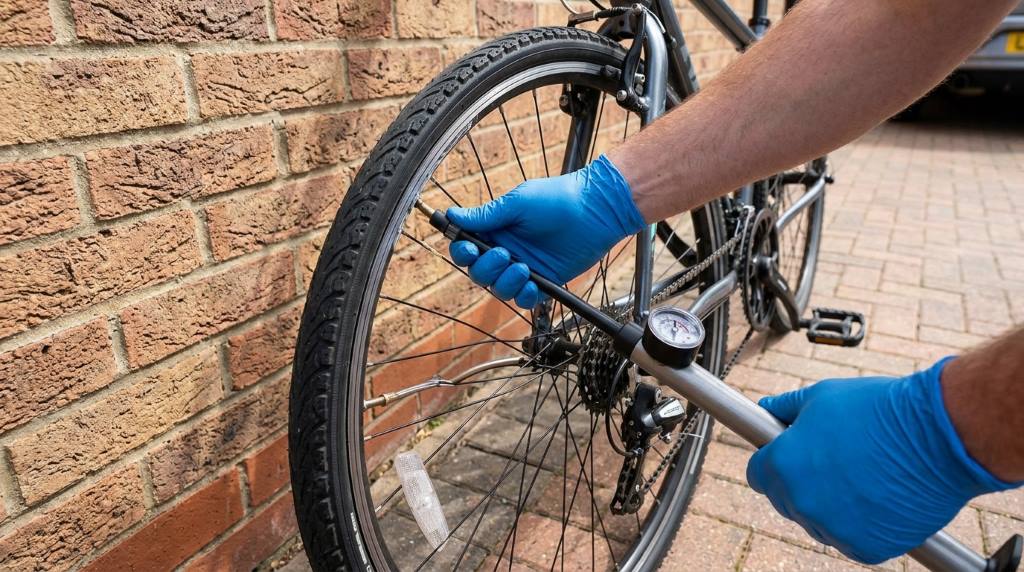
Proper tire inflation plays a critical role in cycling safety, comfort, and performance. According to industry research, underinflated tires contribute to thousands of bicycle accidents and mechanical failures annually across the USA. Additionally, maintaining correct tire pressure can improve riding efficiency by up to 10%. Understanding how to use bike tire inflators safely helps riders avoid injuries, equipment damage, and unexpected roadside problems. Whether you use a manual pump, electric inflator, or CO2 inflator, following safe inflation practices ensures a better riding experience. Many cyclists also rely on quality bike tire inflators to maintain proper pressure levels during daily rides and long-distance adventures.
Why Safe Tire Inflation Matters
Bike tires operate under significant pressure during use. Incorrect inflation increases the risk of blowouts, poor handling, and faster tire wear.
Moreover, proper inflation improves braking performance and rider control. Safe inflation practices also extend the lifespan of tires and rims.
Understanding Different Types of Bike Tire Inflators
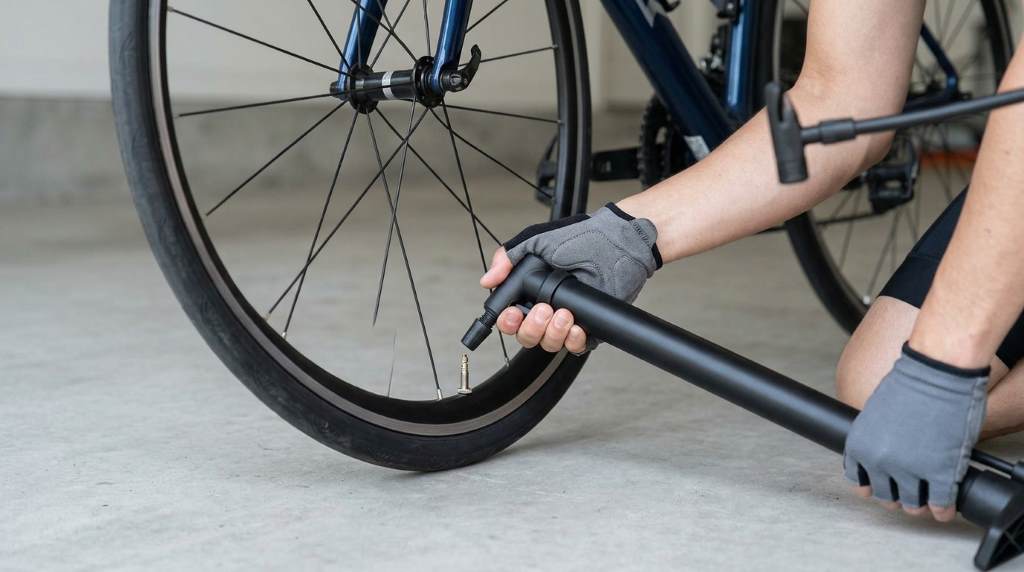
Several types of bike tire inflators exist today. Each option requires specific handling and safety procedures.
Manual Floor Pumps
Floor pumps remain one of the safest inflation tools. They provide accurate pressure control and reliable performance.
Most quality floor pumps include pressure gauges. Therefore, riders can monitor tire pressure during inflation.
Hand Pumps
Hand pumps offer portability and convenience. However, they require additional effort and careful monitoring.
These pumps work well during emergencies. Nevertheless, users should avoid excessive force during operation.
Electric Bike Tire Inflators
Electric inflators provide fast and convenient inflation. Many modern models include automatic pressure shutoff systems.
Despite their convenience, users should always verify pressure settings before activation. Incorrect settings can damage bicycle tires.
CO2 Inflators
CO2 inflators offer rapid inflation during roadside repairs. Professional cyclists frequently carry them during races.
However, compressed gas expands quickly. Consequently, improper use may cause overinflation or frost injuries.
Check Tire Specifications Before Inflation
Every bicycle tire contains recommended pressure information. Manufacturers typically print these values on the tire sidewall.
Always verify the minimum and maximum PSI range before inflation. This step prevents accidental overinflation.
Road bikes generally require higher pressure than mountain bikes. Therefore, understanding your bicycle type remains essential.
Inspect the Tire and Wheel Before Inflating
Perform a visual inspection before connecting any inflator. Look for cracks, cuts, punctures, or damaged rims.
Additionally, check valve stems for bending or wear. Damaged valves can fail during inflation.
If significant damage exists, replace affected components immediately. Continuing inflation creates unnecessary safety risks.
Identify Your Valve Type Correctly
Bicycles typically use Presta or Schrader valves. Each valve requires a compatible inflator connection.
- Presta valves appear narrower and include a locking nut.
- Schrader valves resemble standard automotive tire valves.
- Some inflators support both valve types.
Using the wrong attachment may damage the valve stem. Therefore, always confirm compatibility first.
How to Use a Bike Tire Inflator Safely
Step 1: Position the Bike Properly
Place your bicycle on stable ground before inflation. Avoid inflating while balancing the bike manually.
Using a bike stand improves stability and safety. Stable positioning also allows more accurate pressure monitoring.
Step 2: Remove the Valve Cap
Carefully remove the valve cap and store it safely. Avoid placing small parts where they can become lost.
For Presta valves, unscrew the locking tip before inflation. This step allows airflow into the tire.
Step 3: Attach the Inflator Securely
Connect the inflator head firmly to the valve. Ensure the connection remains straight and airtight.
A loose connection causes air leakage and inaccurate readings. Therefore, double-check the attachment before proceeding.
Step 4: Inflate Slowly and Monitor Pressure
Begin inflation gradually rather than pumping aggressively. Slow inflation provides better pressure control.
Watch the pressure gauge continuously during the process. Stop immediately when reaching the recommended PSI.
Step 5: Disconnect Carefully
Release the inflator head gently after reaching the desired pressure. Sudden removal can damage the valve stem.
Finally, replace the valve cap securely. This small component helps protect the valve from debris.
Safety Tips for Using CO2 Inflators
CO2 inflators require additional precautions because of compressed gas. Proper handling reduces injury risks significantly.
- Wear gloves when possible.
- Keep fingers away from gas discharge areas.
- Avoid directing gas toward skin.
- Monitor inflation carefully.
- Carry spare cartridges safely.
Furthermore, remember that CO2 pressure changes with temperature. Recheck tire pressure after riding.
Common Mistakes to Avoid
Many cyclists unknowingly make mistakes during tire inflation. These errors increase safety hazards.
- Ignoring tire pressure recommendations
- Using damaged inflator equipment
- Inflating tires too quickly
- Forcing incompatible valve connections
- Failing to inspect tires beforehand
- Relying solely on touch instead of pressure gauges
Avoiding these mistakes improves safety and equipment reliability. Consistent habits produce better cycling experiences.
Using Portable Inflators During Emergencies
Emergency situations often require roadside tire inflation. Preparation makes these situations easier to manage.
Carry a compact inflator, spare tube, tire levers, and repair kit. These tools help address unexpected problems quickly.
Additionally, practice using your emergency inflator before actual emergencies occur. Familiarity reduces stress during roadside repairs.
Maintaining Your Bike Tire Inflator
Regular maintenance keeps inflators operating safely and accurately. Poorly maintained equipment may fail unexpectedly.
Clean inflator heads after use and inspect hoses regularly. Replace worn seals and damaged components promptly.
Store inflators in dry environments away from extreme temperatures. Proper storage extends equipment lifespan significantly.
Recommended Tire Pressure Guidelines
Pressure requirements vary based on bicycle type and riding conditions.
- Road bikes: 80 to 130 PSI
- Mountain bikes: 25 to 50 PSI
- Hybrid bikes: 50 to 70 PSI
- Gravel bikes: 35 to 60 PSI
- Children’s bikes: Follow manufacturer specifications
Always prioritize manufacturer recommendations over general guidelines. Individual tire designs vary considerably.
Why Regular Pressure Checks Matter
Bicycle tires naturally lose air over time. Even properly installed tires require periodic inspection.
Check tire pressure before every ride whenever possible. Regular monitoring improves performance and reduces accidents.
Additionally, seasonal temperature changes affect tire pressure. Riders throughout the USA should adjust accordingly.
Conclusion
Learning how to use bike tire inflators safely protects both riders and equipment. Proper inflation techniques improve performance, comfort, and overall cycling safety.
Always inspect your equipment, follow manufacturer recommendations, and monitor tire pressure carefully. Start applying these safety practices today to enjoy safer and more reliable rides.
FAQs
How often should I check my bike tire pressure?
Check your bike tire pressure before every ride whenever possible.
Can overinflated bike tires explode?
Yes, exceeding the manufacturer’s pressure limits can cause tire failure.
Are electric bike tire inflators safe?
Yes, electric inflators are safe when used according to manufacturer instructions.
Should I use CO2 inflators regularly?
CO2 inflators work best for emergencies rather than everyday use.
What happens if bike tires are underinflated?
Underinflated tires reduce control, increase wear, and raise puncture risks.
Welcome to outdoorxsports.com! I’m Russell, your guide to the awesome world of mountain biking. This blog is all about building a community of riders who love to share their passion for the sport. Expect inspiring stories, local trail recommendations, fun challenges, and tips for making the most of your time on two wheels.