
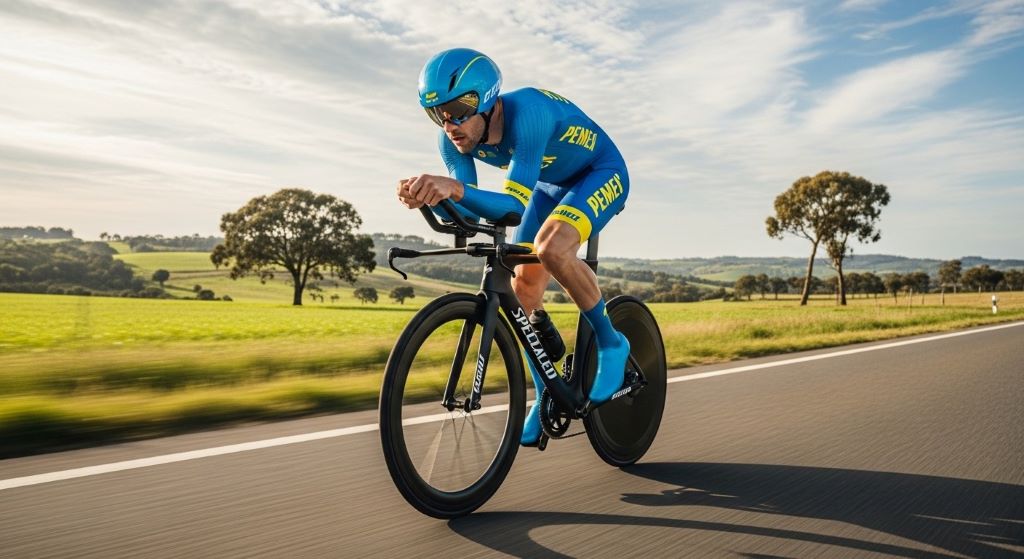
Riding faster on a velo bike does not have to cost you a lot of money. Many cyclists think the only way to go quicker is to buy expensive new parts. However, that is simply not true. There are many smart, budget-friendly ways to boost your speed. You just need to know where to look.
This guide will walk you through practical steps to improve your speed without breaking the bank. From tire pressure to body position, small changes can make a big difference. Therefore, let us get started.
Check Your Tire Pressure First
One of the easiest speed improvements costs nothing at all. Tire pressure plays a huge role in how fast your velo bike moves. Low tires create more rolling resistance. That means your bike has to work harder to move forward.
Additionally, under-inflated tires increase the risk of punctures. Always check the sidewall of your tire. It will show you the recommended pressure range. Inflate your tires before every long ride. This one habit alone can noticeably improve your cycling speed.
Road bikes typically perform best at higher pressures, while mountain bikes need lower pressure for grip. However, always stay within the range printed on your tire. Going too high can be just as harmful as going too low.
Improve Your Riding Position
Your body position on the bike affects your speed more than most people realize. Wind resistance is one of the biggest forces slowing you down. Therefore, the more aerodynamic your position, the faster you can go.
Start by lowering your upper body slightly when riding at speed. Bend your elbows rather than keeping them straight. This small change reduces the drag your body creates. Additionally, keep your head down and look slightly ahead rather than straight up.
Adjust Your Saddle Height
A saddle that is too low wastes energy. It forces your legs to work in a cramped position. When your saddle is at the right height, your leg should have a slight bend at the bottom of each pedal stroke. This allows for full power transfer without strain.
A saddle that is too high, however, causes rocking and reduces efficiency. Take time to find the right fit. You can do this at home with nothing more than a measuring tape. No professional fitting is required.
Clean and Lubricate Your Drivetrain Regularly
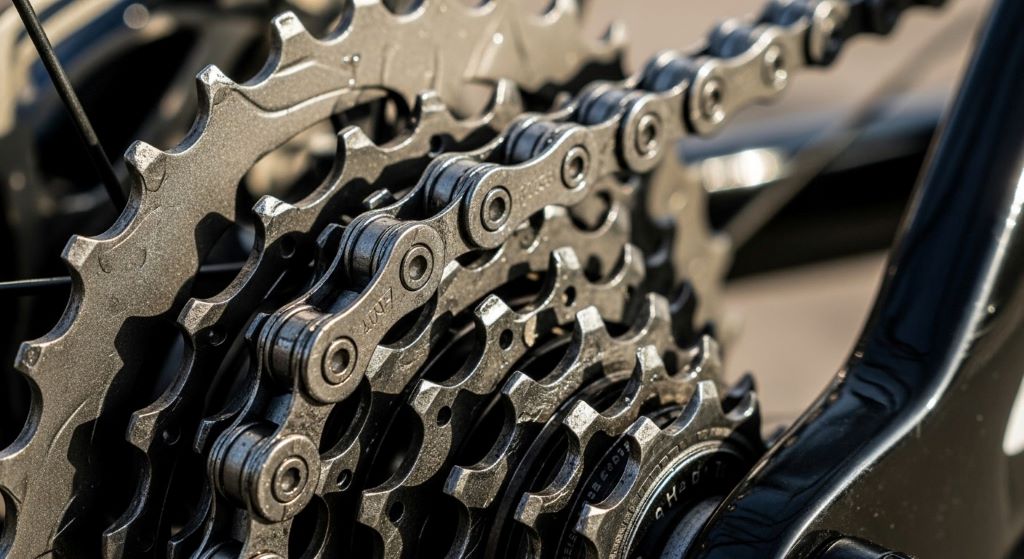
A dirty chain is a slow chain. Dirt and grime build up over time and create friction in your drivetrain. This friction slows you down and wastes the energy you put into every pedal stroke. Fortunately, cleaning your chain is simple and inexpensive.
Use a degreaser and a brush to remove built-up dirt. After cleaning, apply a suitable chain lubricant. Wipe off any excess lube to prevent attracting more dirt. Additionally, keep your cassette and chainrings clean. A well-maintained drivetrain can feel noticeably smoother and faster right away.
Aim to clean your drivetrain every couple of weeks if you ride often. Moreover, always clean it after riding in wet or muddy conditions. This small habit extends the life of your components and helps you ride faster.
Work on Your Pedaling Technique
Many cyclists push down on the pedals but forget to pull up. Using a smooth, circular pedal stroke makes better use of your leg muscles. This technique is sometimes called spinning. It allows you to maintain higher speed with less effort.
Focus on engaging your hamstrings as you pull the pedal through the bottom of the stroke. Think about scraping mud off the bottom of your shoe as you come through. Over time, this motion becomes natural.
Find Your Optimal Cadence
Cadence refers to how fast your legs spin the pedals, measured in revolutions per minute. Most experienced cyclists aim for between 80 and 100 RPM. A higher cadence puts less strain on your joints and muscles. Additionally, it helps you maintain a more consistent speed.
If you grind hard gears at a low cadence, you tire out quickly. Therefore, try shifting to an easier gear and increasing your spin speed. It may feel strange at first, but your body will adapt. This technique alone can make your rides faster and more enjoyable.
Reduce Unnecessary Weight
You do not need to buy a lighter bike to go faster. Instead, look at what you are already carrying. Many cyclists bring more than they need on casual rides. Removing excess weight is free and takes almost no effort.
Here are some simple ways to reduce weight on your rides:
- Leave heavy locks at home when riding in safe areas
- Carry only what you need in your bag or panniers
- Use a lightweight water bottle instead of a heavy insulated flask
- Remove accessories you do not use during the ride
Additionally, wearing close-fitting clothing reduces drag. Loose jerseys and baggy shorts catch the wind and slow you down. However, you do not need to invest in professional cycling gear. Any snug-fitting sportswear will help.
Improve Your Braking Habits
Braking too much wastes all the speed you have built up. Many cyclists brake too early before corners and then have to re-accelerate. This costs a lot of energy over the course of a ride. Learning to brake smarter helps you maintain momentum.
Instead of squeezing the brakes hard before every bend, try to anticipate corners earlier. Slow down gradually using gentle pressure. Additionally, learn to carry speed through corners by leaning your body rather than braking mid-turn. This takes practice but pays off in faster ride times.
Train Smarter, Not Harder
Your fitness is the most powerful speed tool available. No bike upgrade can replace good conditioning. However, you do not need a gym membership or a coach to improve your fitness. Smart training at home and on the road is enough.
Add Interval Training to Your Rides
Interval training is one of the most effective ways to build cycling speed. It involves riding hard for a short burst, then recovering at a slower pace. This pattern trains your cardiovascular system to handle higher intensities.
For example, try riding at maximum effort for 30 seconds, then pedalling easily for 90 seconds. Repeat this cycle eight to ten times. You can do this on your regular commute or training ride. Moreover, you will notice improvements in speed within a few weeks.
Strengthen Your Core Off the Bike
A strong core helps you maintain a stable riding position for longer. When your core is weak, your body rocks from side to side as you tire. This wastes energy and slows you down. Therefore, simple exercises like planks, bridges, and sit-ups can directly improve your cycling performance.
You do not need any equipment for these exercises. Ten to fifteen minutes a day is enough to see results over time. Additionally, strong legs from squats and lunges translate directly into more power on the pedals.
Keep Your Brakes and Wheels in Good Condition
Brakes that rub against your wheel rim or rotor create constant drag. This hidden resistance slows you down without you realising it. Check your brake pads regularly. Make sure they are not pressing against the wheel when the lever is released.
Additionally, check that your wheels are true. A wobbly wheel wastes energy and increases rolling resistance. You can true a wheel using a spoke key, which is an inexpensive tool available at most bike shops. Alternatively, many community cycle workshops offer free or low-cost truing services.
Plan Your Route Strategically
The route you choose affects your average speed significantly. Flat, smooth roads allow you to maintain faster speeds than hilly or rough terrain. However, if you want to improve your overall fitness and speed, including some hills in your training is beneficial.
Therefore, plan your routes with purpose. Use smooth cycle paths when you want to practise speed. Use hilly routes when you want to build strength. Over time, combining both types of riding will make you a faster and more capable cyclist on any terrain.
Conclusion
Improving your speed on a velo bike does not require expensive upgrades. The most effective changes are often the simplest ones. Start with tire pressure. Then work on your riding position, pedaling technique, and drivetrain maintenance.
Additionally, focus on your fitness through interval training and core strengthening. Reduce unnecessary weight and learn to brake smarter. Plan routes that match your training goals. Each of these steps is free or very low cost. However, together they can make a dramatic difference to your riding speed.
The best investment you can make in your cycling is time and attention. Small, consistent improvements add up quickly. Therefore, start with one tip today and build from there. You may be surprised by how fast you can become without spending a cent on new parts.
Frequently Asked Questions
1. How much does tire pressure affect cycling speed?
Tire pressure has a significant impact on speed. Under-inflated tires increase rolling resistance, which forces you to work harder to maintain the same pace. Properly inflated tires can noticeably reduce rolling resistance and improve your overall ride speed without any cost.
2. Can changing my riding position really make me faster?
Yes, it absolutely can. Wind resistance accounts for a large portion of the drag you face at higher speeds. Lowering your body and bending your elbows creates a more aerodynamic profile. This simple adjustment can reduce drag and help you ride faster, especially on flat roads.
3. How often should I clean my bike chain?
For regular riders, cleaning your chain every one to two weeks is a good habit. If you ride in wet or muddy conditions, clean it immediately after the ride. A clean, well-lubricated chain runs more efficiently and helps you maintain better speed with less effort.
4. What is the best cadence for cycling speed?
Most experienced cyclists aim for a cadence of 80 to 100 revolutions per minute. A higher cadence reduces muscle fatigue and allows you to sustain speed for longer. However, the best cadence varies slightly by rider. Experiment to find what feels most efficient for you.
5. Do I need special cycling clothes to go faster?
You do not need expensive cycling kit to improve your speed. However, wearing close-fitting clothing helps reduce wind resistance. Loose or baggy clothes create drag that slows you down. Any snug sportswear you already own can make a meaningful difference at higher riding speeds.
Related Topics:
Best Tailgate Bike Pad: Top Picks for Secure Bike Transport in 2026
Specialized Bikes: Your Ultimate Guide to Urban Trail Riding
Welcome to outdoorxsports.com! I’m Russell, your guide to the awesome world of mountain biking. This blog is all about building a community of riders who love to share their passion for the sport. Expect inspiring stories, local trail recommendations, fun challenges, and tips for making the most of your time on two wheels.