
Every mountain biker knows the importance of keeping tires properly inflated. Whether you’re hitting the trails, commuting to work, or embarking on a long-distance ride, a flat tire can quickly turn a great day into a frustrating ordeal. That’s why having a reliable mountain bike air pump is essential for every rider. The right pump ensures you can inflate your tires quickly, efficiently, and without hassle—no matter where your adventures take you.
But not all bike pumps are created equal. Some are too bulky to carry on the trail, while others lack the power to inflate high-volume tires. The best mountain bike air pump combines portability, durability, and ease of use, ensuring you’re always prepared for unexpected flats or pressure adjustments.
If you’re searching for the best mountain bike air pump to keep your rides smooth and hassle-free, this guide will help you find the perfect match.
Why a Good Mountain Bike Air Pump Matters
A reliable air pump is a mountain biker’s best friend. According to a 2023 survey by the International Mountain Biking Association (IMBA), over 60% of riders have experienced a flat tire during a ride, and 80% of those incidents could have been resolved quickly with the right pump. A good mountain bike air pump ensures you can inflate your tires to the correct pressure, preventing pinch flats, improving traction, and enhancing overall ride quality.
The right pump should:
- Be portable and lightweight: Easy to carry on the trail without adding unnecessary bulk.
- Offer fast and efficient inflation: Capable of inflating high-volume tires quickly, even at low pressures.
- Be durable and reliable: Built to withstand the rigors of mountain biking, including drops, dirt, and weather exposure.
- Work with multiple valve types: Compatible with both Presta and Schrader valves, which are common on mountain bikes.
I remember my first long-distance ride without a proper pump. Halfway through the trail, I got a flat and realized my cheap, bulky pump couldn’t inflate my tire properly. After upgrading to a compact, high-quality mountain bike air pump, I never worried about flats again. The right pump made my rides smoother and more enjoyable.
Types of Mountain Bike Air Pumps
1. Hand Pumps
Hand pumps are the most common type of mountain bike air pump. They’re compact, lightweight, and easy to carry on the trail. Hand pumps are ideal for quick inflation and emergency repairs, but they require more effort to reach high pressures.
- Best for: Trail rides, emergency repairs, and riders who prioritize portability.
- Pros: Lightweight, compact, and easy to use.
- Cons: Require more effort for high-pressure tires and may take longer to inflate.
2. CO2 Inflators
CO2 inflators use compressed CO2 cartridges to inflate tires quickly and effortlessly. They’re perfect for riders who want fast inflation without the physical effort. However, CO2 cartridges are single-use and need to be replaced after each flat.
- Best for: Races, long-distance rides, or riders who want fast, effortless inflation.
- Pros: Quick and easy to use, compact, and lightweight.
- Cons: Requires carrying extra cartridges, and CO2 can freeze valves if not used carefully.
3. Floor Pumps
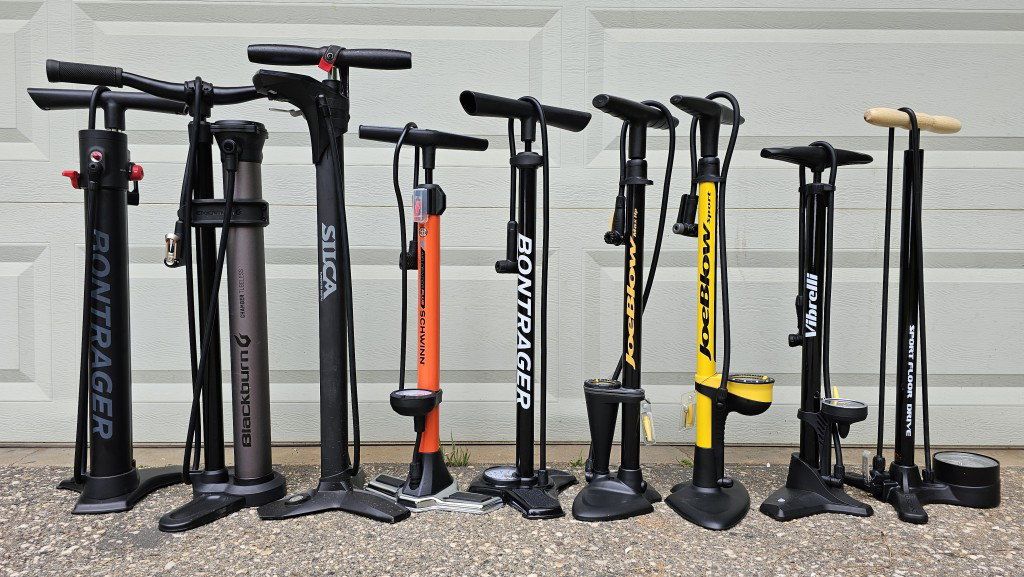
Floor pumps are larger and more powerful, making them ideal for home use or pre-ride preparation. They’re not portable, but they offer the fastest and most efficient inflation for high-volume tires.
- Best for: Home use, pre-ride preparation, or riders who want maximum power.
- Pros: Fast and efficient inflation, easy to use, and durable.
- Cons: Not portable and too bulky to carry on the trail.
4. Mini Pumps
Mini pumps are ultra-compact and designed for emergency use. They’re small enough to fit in a jersey pocket or saddle bag but may require more effort to inflate tires fully.
- Best for: Emergency use, minimalists, or riders who prioritize portability over speed.
- Pros: Extremely compact and lightweight.
- Cons: Slow inflation and require more effort.
5. Hybrid Pumps
Hybrid pumps combine the best features of hand pumps and CO2 inflators. They often include a CO2 cartridge adapter and a manual pump, offering versatility for different situations.
- Best for: Riders who want the flexibility of both manual and CO2 inflation.
- Pros: Versatile, compact, and efficient.
- Cons: Slightly more complex to use and may require carrying extra cartridges.
Key Features to Look For
1. Compatibility with Valve Types
Mountain bike tires typically use Presta or Schrader valves. Ensure your pump is compatible with both types, or at least the valve type on your bike. Many pumps come with dual-head designs that work with both valves.
2. Portability and Weight
A good mountain bike air pump should be lightweight and easy to carry. Look for pumps that weigh less than 200 grams and can fit in a jersey pocket, saddle bag, or backpack. Compact designs are ideal for trail rides, while slightly larger pumps may offer better performance.
3. Inflation Speed and Efficiency
The best mountain bike air pumps inflate tires quickly and efficiently, even at low pressures. Look for pumps with high-volume chambers that can inflate wide tires with fewer strokes. Pumps with a dual-action design (inflating on both the push and pull strokes) are also more efficient.
4. Durability and Build Quality
Mountain biking can be tough on gear, so durability is key. Look for pumps made from high-quality materials like aluminum or reinforced plastic. Avoid cheap, flimsy pumps that may break under pressure.
5. Pressure Gauge
A built-in pressure gauge helps you inflate your tires to the correct pressure, preventing over- or under-inflation. While not all pumps include a gauge, it’s a useful feature for riders who want precision.
6. Ease of Use
A good mountain bike air pump should be easy to use, even in challenging conditions. Look for pumps with ergonomic handles, clear valve connections, and intuitive designs. Avoid pumps that require complex assembly or maintenance.
7. Versatility
Some pumps include additional features like CO2 cartridge compatibility, integrated valve tools, or multi-functionality (e.g., working as a shock pump). These features add versatility and convenience for riders who want a single tool for multiple tasks.
8. Price and Value
Mountain bike air pumps range in price from budget-friendly to high-end. Set a budget that works for you and prioritize features that matter most, such as durability, portability, and inflation speed.
How to Choose the Right Mountain Bike Air Pump for Your Needs
1. Consider Your Riding Style
Your riding style and terrain influence the type of pump you need:
- Trail Riding: A compact hand pump or hybrid pump is ideal for quick inflation and emergency repairs.
- Long-Distance or Endurance Riding: A CO2 inflator or hybrid pump offers fast inflation without the physical effort.
- Downhill or Freeride: A high-volume pump with a pressure gauge ensures you can inflate wide tires to the correct pressure.
2. Think About Portability
If you prioritize portability, opt for a mini pump or a compact hand pump. These pumps are lightweight and easy to carry but may require more effort to inflate tires fully. For riders who don’t mind carrying a slightly larger pump, a high-volume hand pump or hybrid pump offers better performance.
3. Check Valve Compatibility
Ensure your pump is compatible with your bike’s valve type. Most mountain bikes use Presta valves, but some may have Schrader valves. Dual-head pumps that work with both types are the most versatile.
4. Look for Durability
Mountain biking can be rough on gear, so choose a pump made from durable materials like aluminum or reinforced plastic. Avoid pumps with flimsy parts or weak connections that may break under pressure.
5. Consider Additional Features
Features like a built-in pressure gauge, CO2 cartridge compatibility, or multi-functionality can add convenience and versatility. Decide which features are most important to you and choose a pump that meets your needs.
6. Set a Budget
Mountain bike air pumps range in price from $20 to over $100. Set a budget that works for you and prioritize features that matter most, such as durability, portability, and inflation speed.
How to Use and Maintain Your Mountain Bike Air Pump
Using Your Pump
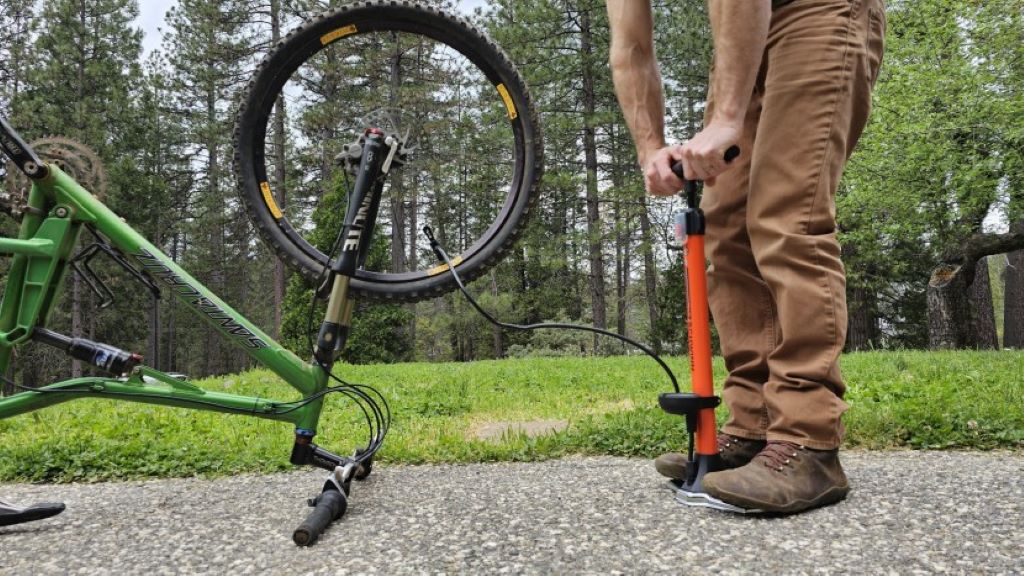
- Attach the Pump: Connect the pump head to your tire valve. Ensure it’s secure to prevent air leaks.
- Inflate the Tire: Use smooth, even strokes to inflate the tire. For hand pumps, use both hands to maximize efficiency.
- Check the Pressure: If your pump has a gauge, monitor the pressure to avoid over-inflating. If not, use a separate pressure gauge to check the tire pressure.
- Detach the Pump: Once the tire is inflated, carefully detach the pump head to avoid damaging the valve.
Maintaining Your Pump
- Clean Regularly: Wipe down your pump after each use to remove dirt and debris. Use a damp cloth and mild soap for stubborn grime.
- Lubricate Moving Parts: Apply a small amount of lubricant to the pump’s moving parts to keep it functioning smoothly.
- Store Properly: Keep your pump in a dry, cool place to prevent damage from moisture or extreme temperatures.
- Check for Wear: Inspect your pump regularly for signs of wear, such as cracks or leaks. Replace any damaged parts promptly.
Common Mistakes to Avoid
1. Choosing the Wrong Pump Type
A pump that’s too bulky or slow can be frustrating to use on the trail. Choose a pump that matches your riding style and needs.
2. Ignoring Valve Compatibility
Using a pump that doesn’t fit your valve type can lead to air leaks or damage. Always check compatibility before purchasing.
3. Skipping the Pressure Gauge
Inflating tires to the wrong pressure can affect performance and increase the risk of flats. Use a pump with a built-in gauge or carry a separate gauge to ensure accuracy.
4. Neglecting Maintenance
A dirty or poorly maintained pump can fail when you need it most. Clean and lubricate your pump regularly to keep it in good working order.
5. Overlooking Portability
A pump that’s too bulky or heavy can be a burden on long rides. Prioritize portability and choose a pump that’s easy to carry.
FAQs About Mountain Bike Air Pumps
How often should I check my tire pressure?
Check your tire pressure before every ride to ensure optimal performance and reduce the risk of flats. Use a pressure gauge for accuracy.
Can I use a CO2 inflator for all types of tires?
Yes, but CO2 inflators are best for quick inflation during emergencies. For regular use, a hand pump is more practical and cost-effective.
How do I know if my pump is compatible with my bike’s valves?
Most mountain bikes use Presta valves, but some may have Schrader valves. Look for a pump with a dual-head design that works with both types.
What’s the difference between a hand pump and a CO2 inflator?
Hand pumps require physical effort to inflate tires but are reusable and don’t require cartridges. CO2 inflators offer fast, effortless inflation but require single-use cartridges.
Are expensive mountain bike air pumps worth the investment?
High-quality pumps are often more durable, efficient, and reliable than cheaper options. If you ride frequently, investing in a well-made pump is worth it for the long-term benefits.
Conclusion
Choosing the best mountain bike air pump for fast and reliable inflation is all about understanding your riding style, prioritizing portability and durability, and selecting a pump that meets your needs. By considering factors like valve compatibility, inflation speed, and ease of use, you can find a pump that keeps your rides smooth and hassle-free.
The right pump ensures you’re always prepared for unexpected flats or pressure adjustments, making every ride more enjoyable. Share your favorite mountain bike air pump tips or ask questions in the comments below—let’s help each other stay prepared for the trail ahead!
Welcome to outdoorxsports.com! I’m Russell, your guide to the awesome world of mountain biking. This blog is all about building a community of riders who love to share their passion for the sport. Expect inspiring stories, local trail recommendations, fun challenges, and tips for making the most of your time on two wheels.