
Transporting your bike safely and conveniently is essential for any cyclist, whether you’re heading to a trail, a race, or just running errands around town. A reliable bike rack makes it easy to take your bike with you without the hassle of disassembling it or worrying about damage. However, with so many types of bike racks available, choosing the right one can feel overwhelming.
The best bike rack for you depends on your vehicle, the number of bikes you need to transport, and your specific needs for security and ease of use. Whether you drive a sedan, SUV, or truck, there’s a bike rack designed to fit your lifestyle and keep your bike safe on the road.
If you’re searching for the perfect Bike Rack to make transporting your bike a breeze, this guide will help you find the ideal match.
Why the Right Bike Rack Matters
A good bike rack is more than just a convenience—it’s a necessity for protecting your bike and your vehicle. According to a 2023 report by the League of American Bicyclists, over 50% of cyclists transport their bikes by car at least once a month, and 30% have experienced damage to their bike or vehicle due to an improperly secured rack. The right bike rack ensures your bike stays safe, secure, and easy to load, no matter where your adventures take you.
The best bike racks offer several key benefits:
- Security: A well-designed rack keeps your bike stable and secure, preventing damage from road vibrations or sudden stops.
- Ease of Use: Quick and easy loading and unloading save time and reduce frustration, especially after a long ride.
- Versatility: The right rack should accommodate different bike sizes and styles, as well as fit your vehicle’s specific requirements.
- Durability: High-quality materials and construction ensure your rack lasts for years, even with frequent use.
I remember my first experience transporting my bike with a cheap, flimsy rack. Halfway to the trailhead, the rack started wobbling, and I spent the rest of the drive white-knuckling the steering wheel, worried my bike would fall off. After upgrading to a sturdy hitch rack, I never worried about my bike’s safety again. The right rack made all the difference in my peace of mind and convenience.
Types of Bike Racks
1. Hitch-Mounted Bike Racks
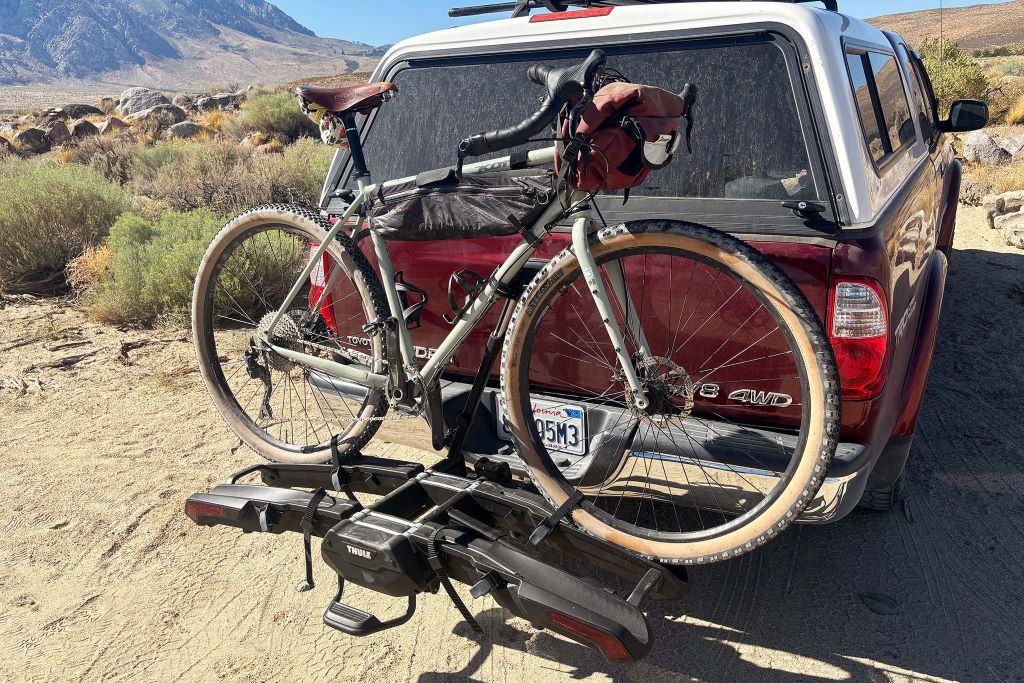
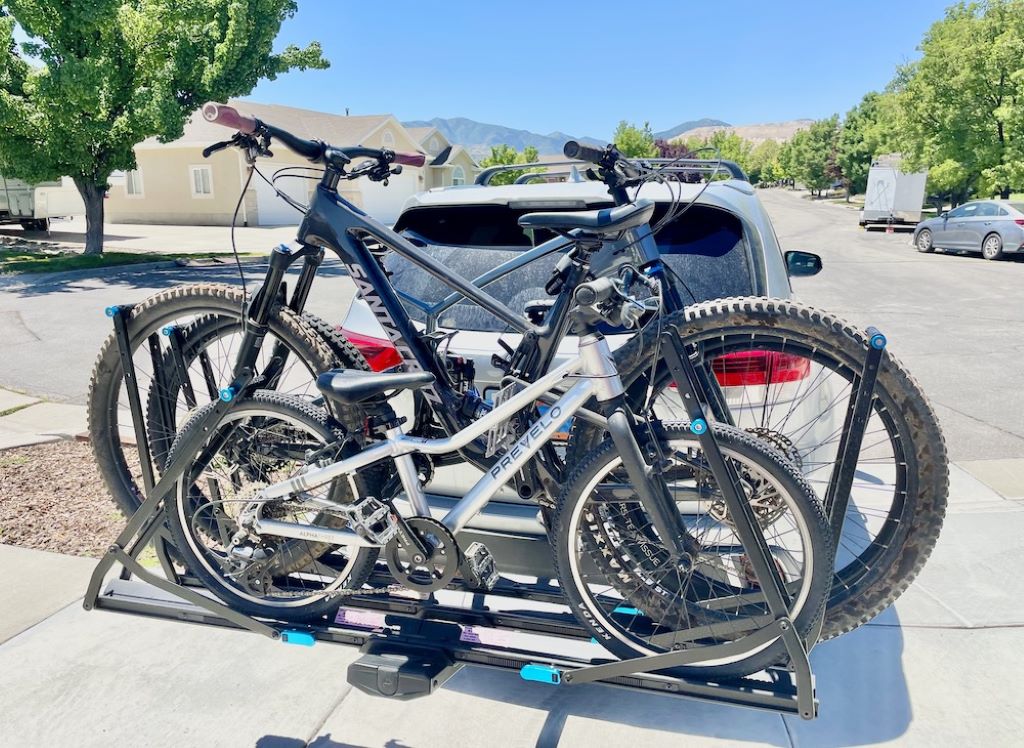
Hitch-mounted racks are among the most popular and secure options for transporting bikes. They attach to your vehicle’s trailer hitch and can carry multiple bikes with ease. Hitch racks are ideal for SUVs, trucks, and vehicles with a hitch receiver.
- Best for: Families, frequent cyclists, or those who need to transport multiple bikes.
- Pros: Secure, easy to load, and often include features like tilt-away access to the trunk.
- Cons: Requires a hitch receiver, which not all vehicles have, and can be more expensive.
2. Roof-Mounted Bike Racks
Roof-mounted racks attach to your vehicle’s roof rails or crossbars, allowing you to carry bikes above your car. They’re a great option for vehicles without a hitch or for cyclists who want to keep their trunk or hitch free.
- Best for: Cyclists with roof rails, those who want to keep their trunk accessible, or those transporting only one or two bikes.
- Pros: Doesn’t obstruct rear access, works with most vehicles, and can be used for other gear like skis or cargo boxes.
- Cons: Requires lifting the bike overhead, which can be difficult for some people, and may affect vehicle clearance.
3. Trunk-Mounted Bike Racks
Trunk-mounted racks attach to the rear of your vehicle using straps and hooks. They’re affordable and easy to install, making them a popular choice for occasional cyclists or those on a budget.
- Best for: Casual cyclists, renters, or those who don’t want to install a permanent rack.
- Pros: Affordable, easy to install and remove, and works with most vehicles.
- Cons: Can scratch your vehicle’s paint if not installed carefully, and may not be as secure as hitch or roof racks.
4. Truck Bed Bike Racks
Truck bed racks are designed to secure bikes inside the bed of a pickup truck. They’re ideal for truck owners who want a simple, secure way to transport bikes without obstructing the tailgate.
- Best for: Truck owners, off-road cyclists, or those who need to transport additional gear.
- Pros: Secure, easy to load, and doesn’t obstruct rear visibility.
- Cons: Only works with pickup trucks and may require additional tie-downs for security.
5. Spare Tire-Mounted Bike Racks
Spare tire-mounted racks attach to the spare tire on the back of your vehicle. They’re a good option for SUVs or vehicles with an externally mounted spare tire.
- Best for: SUV owners or those with an externally mounted spare tire.
- Pros: Easy to install, affordable, and doesn’t obstruct rear access.
- Cons: Limited to vehicles with an external spare tire and may not be as secure as other options.
Key Features to Look For
1. Compatibility with Your Vehicle
The first step in choosing a bike rack is ensuring it’s compatible with your vehicle. Consider the following:
- Hitch Size: If you’re choosing a hitch rack, check your vehicle’s hitch receiver size (typically 1.25” or 2”).
- Roof Rails: For roof racks, ensure your vehicle has factory-installed roof rails or crossbars.
- Trunk or Spare Tire: For trunk or spare tire racks, check the rack’s compatibility with your vehicle’s make and model.
2. Number of Bikes
Consider how many bikes you need to transport. Bike racks typically carry between one and five bikes, so choose a rack that fits your needs.
- Single Bike Racks: Ideal for solo cyclists or those with limited space.
- Multi-Bike Racks: Perfect for families or groups who need to transport multiple bikes.
3. Ease of Use
A good bike rack should be easy to load and unload. Look for features like:
- Tool-Free Installation: Racks that attach quickly and securely without tools save time and hassle.
- Tilt-Away or Swing-Away Designs: Allow you to access your trunk or hitch without removing the rack.
- Quick-Release Mechanisms: Make it easy to remove the rack when not in use.
4. Security Features
Security is crucial for protecting your bike and your vehicle. Look for racks with:
- Locking Mechanisms: Secure your bike to the rack and the rack to your vehicle.
- Anti-Wobble Systems: Prevent the rack from shaking or moving during transit.
- Sturdy Construction: High-quality materials like steel or aluminum ensure durability and stability.
5. Weight Capacity
Check the rack’s weight capacity to ensure it can handle your bike’s weight. Most racks support bikes up to 35–45 pounds, but heavier e-bikes or mountain bikes may require a rack with a higher capacity.
6. Durability and Construction
A well-built bike rack should last for years, even with frequent use. Look for racks made from high-quality materials like steel or aluminum, with reinforced joints and corrosion-resistant coatings.
7. Ease of Storage
Consider how you’ll store the rack when it’s not in use. Some racks fold up compactly for easy storage, while others may require more space.
8. Price and Value
Bike racks range in price from budget-friendly to high-end. Set a budget that works for you and prioritize features that matter most, such as security, ease of use, and durability.
How to Choose the Right Bike Rack for Your Needs
1. Assess Your Vehicle Type
Your vehicle type determines which bike racks are compatible. Consider the following:
- SUVs or Trucks: Hitch-mounted or roof-mounted racks are ideal for larger vehicles.
- Sedans or Hatchbacks: Trunk-mounted or hitch-mounted racks work well for smaller vehicles.
- Trucks: Truck bed racks are the best option for pickup trucks.
2. Determine Your Bike Type
The type of bike you own influences the best rack for you:
- Road Bikes: Lightweight and easy to mount on most racks.
- Mountain Bikes: Heavier and may require a rack with a higher weight capacity.
- E-Bikes: Require a rack with a higher weight capacity and secure mounting options.
- Fat Tire Bikes: Need a rack with adjustable cradles or trays to accommodate wider tires.
3. Consider Your Budget
Bike racks range in price from $50 to over $500. Set a budget that works for you and prioritize features that matter most, such as security, ease of use, and durability.
4. Think About Frequency of Use
If you transport your bike frequently, invest in a high-quality, durable rack. For occasional use, a more affordable trunk or spare tire rack may suffice.
5. Check for Additional Features
Some bike racks include extra features like integrated locks, lighting systems, or the ability to carry additional gear. Consider which features are most important to you.
6. Read Reviews and Ratings
Before purchasing, read reviews and ratings from other cyclists to gauge the rack’s performance, durability, and ease of use. Look for racks with high ratings and positive feedback.
How to Install and Use Your Bike Rack Safely
Installation
- Read the Manual: Follow the manufacturer’s instructions for installation and safety guidelines.
- Check Compatibility: Ensure the rack is compatible with your vehicle and bike type.
- Secure the Rack: Attach the rack to your vehicle according to the instructions, ensuring it’s tight and secure.
- Test the Fit: Before loading your bike, test the rack’s stability by gently shaking it. If it wobbles or moves, adjust the fit.
Loading Your Bike
- Position the Bike: Place your bike in the rack’s cradles or trays, ensuring the frame is secure.
- Secure the Bike: Use the rack’s straps or clamps to hold the bike in place. For added security, use a bike lock to attach the bike to the rack.
- Check for Stability: Gently shake the bike to ensure it’s secure and won’t shift during transit.
Driving with a Bike Rack
- Drive Cautiously: Be mindful of the rack and bike’s added width and length, especially when turning or parking.
- Check Clearance: Ensure the rack and bike don’t obstruct your rear view or exceed your vehicle’s height clearance.
- Monitor the Rack: Periodically check the rack and bike during your drive to ensure everything remains secure.
Removing the Rack
- Unload the Bike: Remove your bike from the rack and store it safely.
- Detach the Rack: Follow the manufacturer’s instructions to remove the rack from your vehicle.
- Store the Rack: Keep the rack in a dry, secure place to prevent damage or theft.
Common Mistakes to Avoid
1. Choosing the Wrong Rack Type
A rack that doesn’t fit your vehicle or bike type can be unsafe and difficult to use. Always check compatibility before purchasing.
2. Skipping the Installation Instructions
Improper installation can lead to damage or accidents. Follow the manufacturer’s instructions carefully to ensure a secure fit.
3. Overloading the Rack
Exceeding the rack’s weight capacity can cause it to fail or damage your vehicle. Always check the weight limit and stick to it.
4. Ignoring Security
Failing to secure your bike or rack can lead to theft or accidents. Use locks and straps to keep everything in place.
5. Neglecting Maintenance
Regularly inspect your rack for signs of wear or damage. Clean and lubricate moving parts to keep the rack functioning smoothly.
FAQs About Bike Racks
How do I know if a bike rack is compatible with my vehicle?
Check the rack’s product description or manufacturer’s website for compatibility information. Most racks list the vehicle types and hitch sizes they work with.
Can I use a bike rack on a rental car?
Yes, but choose a trunk-mounted or hitch-mounted rack that doesn’t require permanent installation. Always check with the rental company for their policies on bike racks.
How do I prevent my bike from getting scratched on the rack?
Use padded cradles or trays to protect your bike’s frame. Avoid placing the bike in a position where it can rub against the rack or other bikes.
Are hitch-mounted racks safer than trunk-mounted racks?
Hitch-mounted racks are generally more secure and stable than trunk-mounted racks, especially for long drives or rough roads. However, both types can be safe if installed and used correctly.
Can I transport an e-bike with a standard bike rack?
Most standard bike racks aren’t designed to handle the weight of e-bikes. Look for a rack with a higher weight capacity (at least 50–60 pounds) and secure mounting options.
Conclusion
Choosing the right bike rack for secure and easy transportation is all about understanding your vehicle, bike type, and specific needs. By considering factors like compatibility, ease of use, security, and durability, you can find a rack that makes transporting your bike a breeze.
The right bike rack ensures your bike stays safe and secure, allowing you to focus on the ride ahead. Share your favorite bike rack tips or ask questions in the comments below—let’s help each other find the perfect solution for hassle-free transportation!

Welcome to outdoorxsports.com! I’m Russell, your guide to the awesome world of mountain biking. This blog is all about building a community of riders who love to share their passion for the sport. Expect inspiring stories, local trail recommendations, fun challenges, and tips for making the most of your time on two wheels.