
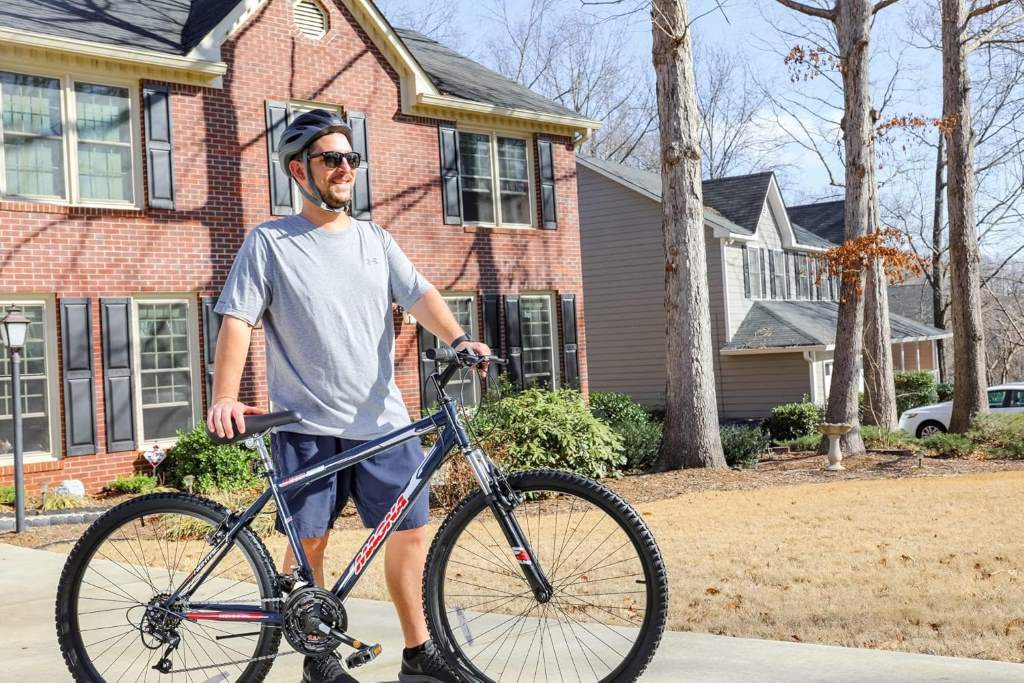
Mountain biking does not always start on rough trails. For many riders, it begins with a simple, reliable bike that can handle neighborhood roads, dirt paths, and the occasional uneven track. That is where entry level models like the Dynacraft Magna Echo Ridge come in.
Most casual riders spend less than three hours a week on a bike, according to outdoor activity reports, which makes comfort and ease of use more important than high end performance. This bike positions itself as a practical option for beginners and occasional riders who want something sturdy without unnecessary complexity.
I spent time evaluating how it feels in everyday use, not just how it looks on paper. The results show a bike that works well in some situations and requires patience in others.
Dynacraft Magna Echo Ridge Mountain Bike Overview
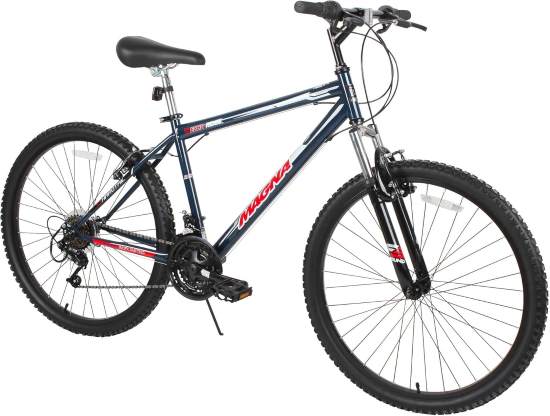
The first impression of the Dynacraft Magna Echo Ridge is its solid build. The steel frame feels sturdy when you lift it, though you immediately notice the weight. This is not a lightweight bike, and that affects how it handles on hills or when carrying it upstairs.
On the road, the ride feels stable. The wide tires grip well on pavement and light trails, which makes it suitable for mixed use riding. The front suspension helps reduce small bumps, though it does not fully smooth out rough terrain.
The bike targets teens and adult beginners, especially those above average height, since the 26 inch wheels suit riders around 5 feet 2 inches and taller. It works best for casual rides, park trails, and short commutes rather than aggressive off road use.
Assembly requires attention. Some units arrive needing brake adjustments or minor tuning, which can frustrate first time users. Once set up properly, it rides smoothly, but it rewards users who are comfortable making small mechanical tweaks.
This is not a performance mountain bike. It is a practical, entry point option that prioritizes accessibility over precision handling.
User Experience: Rahim’s Weekend Rides
Rahim, a university student, uses this bike mainly for weekend rides around his neighborhood and nearby dirt paths. He found the initial setup slightly confusing, especially adjusting the brakes, but managed it with basic tools.
Once dialed in, he described the ride as stable and predictable. The bike felt comfortable on flat roads and handled gravel paths without slipping. However, he noticed the weight when climbing slopes and felt the seat could be more comfortable on longer rides.
His overall takeaway was simple. It works well for relaxed riding but is not ideal for long distance or steep terrain.
Key Features
Frame Strength and Build Quality
The steel frame gives the bike a reassuring sense of durability. It does not flex under normal riding conditions, which helps beginners feel more confident. You can ride over uneven ground without worrying about structural weakness.
That strength comes with a trade off. The added weight makes the bike harder to accelerate and less efficient on inclines. For short rides, this is manageable, but over longer distances it becomes noticeable.
All Terrain Tires
The tires provide solid traction across different surfaces. On pavement, they roll smoothly without excessive resistance. On dirt or gravel, they grip well enough to maintain control.
However, some users report inconsistent tire quality out of the box, which may require adjustment or replacement over time. This is something to keep in mind if you plan to ride frequently.
Basic Suspension System
The front suspension softens minor bumps and uneven surfaces, making rides more comfortable than a rigid frame. It performs well on light trails and uneven roads.
That said, it does not handle rough terrain effectively. Riders expecting true off road performance may find it limited, especially on rocky or steep trails.
Gear and Brake Functionality
The bike includes a multi speed setup that helps adjust to different riding conditions. Gear shifting feels functional once properly tuned, allowing you to handle flat and slightly inclined surfaces.
Brakes perform adequately for casual use, though they often need adjustment after assembly. Some riders report stiffness or noise if not set correctly, so regular checks help maintain performance.
Rider Comfort and Seating
The riding position feels upright and beginner friendly. Handlebars are easy to control, and the overall posture reduces strain on the back during short rides.
The seat, however, can feel firm during longer sessions. Many riders choose to replace it for added comfort, especially if they plan to ride more frequently.
Assembly and Setup
The bike arrives partially assembled, which keeps shipping manageable but shifts some responsibility to the user. Basic tools and mechanical awareness are helpful.
For experienced riders, setup takes under an hour. Beginners may need extra time or assistance, especially for brake alignment and handlebar adjustment.
Pros and Cons
| Pros | Cons |
| Sturdy steel frame build | Heavier than expected |
| Stable ride for beginners | Brakes need adjustment |
| Good traction on mixed surfaces | Seat lacks long ride comfort |
Who This Product Is Best For
This bike suits casual riders who want a dependable option for everyday use. It works well for teenagers, students, or adults getting back into cycling after a break.
It also fits people who ride occasionally on roads, parks, or light trails. If your goal is relaxed riding rather than performance cycling, it meets expectations.
It is less suitable for serious mountain bikers or anyone planning long distance rides. The weight and basic components limit efficiency and comfort over extended use.
Related:
Best Mountain Bike Under $200: Affordable Adventures on Two Wheels
Riding Mountain Bikes in Your 50s and 60s: Embracing Adventure at Any Age
Conclusion
The Dynacraft Magna Echo Ridge Mountain Bike delivers a straightforward riding experience. It focuses on stability and accessibility rather than speed or precision.
You get a bike that handles everyday terrain without much trouble, provided you are willing to spend some time on setup and minor adjustments. It does not compete with higher end models, but it does not try to.
If your needs are simple and your expectations realistic, this bike can serve you well. The key is understanding where it performs best and where it falls short.
FAQs
Is this bike good for beginners?
Yes, it offers stable handling and simple controls suited for new riders.
Can it handle rough mountain trails?
No, it works better on light trails and uneven roads than on rough terrain.
Does it require assembly?
Yes, partial assembly is required and may include brake adjustments.
Is it comfortable for long rides?
It is acceptable for short rides, but the seat may feel firm over time.
What rider height is suitable?
It generally fits riders above about 5 feet 2 inches.

Welcome to outdoorxsports.com! I’m Russell, your guide to the awesome world of mountain biking. This blog is all about building a community of riders who love to share their passion for the sport. Expect inspiring stories, local trail recommendations, fun challenges, and tips for making the most of your time on two wheels.